Join The King’s Foundation and INTBAU for Sustainable Places: Vernacular Architecture Seminar Series 2026–27, a research project and seminar series exploring the fundamental connection between environmental sustainability and socio-cultural sustainability, as embodied in vernacular architecture.
Between October 2026 and September 2027, eight panel sessions will bring together researchers and practitioners from a range of disciplines to share their work, approaches and insights, developing a common language around the interdependence of environmental and socio-cultural sustainability.
The series will also help set the framework for The King’s Foundation’s PhD Scholarship in Traditional Building & Vernacular Architecture.
Programme
Each session will feature two to three speakers and one moderator. The first part of each session will be dedicated to presentations from the speakers, followed by a panel discussion and open Q&A with the audience.
Sessions will be held online and in person in hybrid formats, bringing together participants across different locations and contexts.
Upcoming sessions
6 October 2026
FORMING COMMUNITY
Online
Forming Community | Session details and registration
6 October, 12:00-1:30pm BST, online
The session will explore how community is formed around vernacular architecture practice, use and education. We will explore people’s motivations to grow community and the technical and social skills they learn through it.
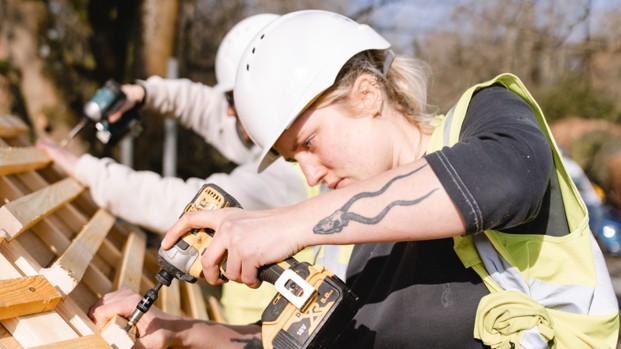
Speakers:
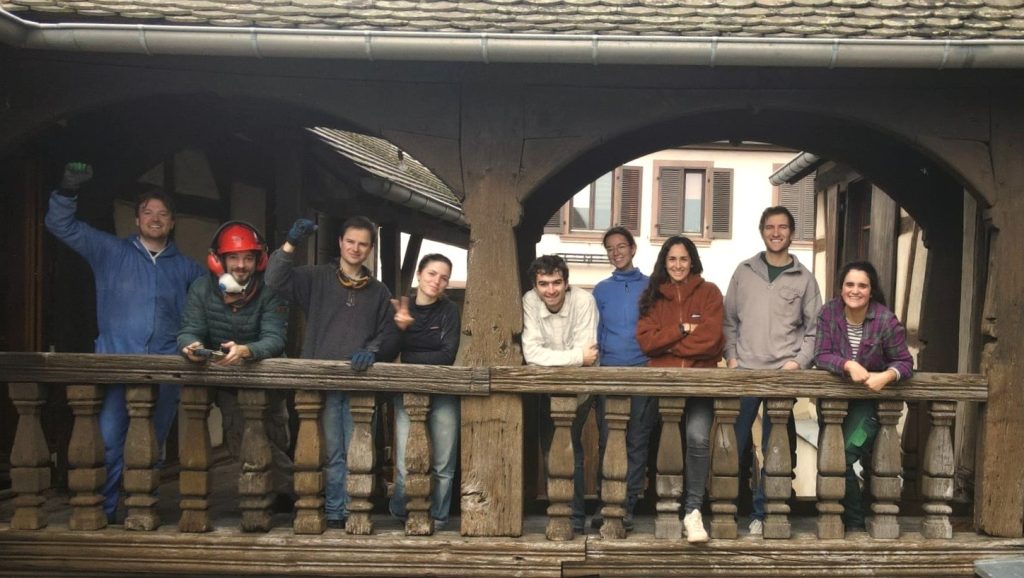
Rosie Paul
Co-founder, Masons Ink Studio— INTBAU Grassroots grantee

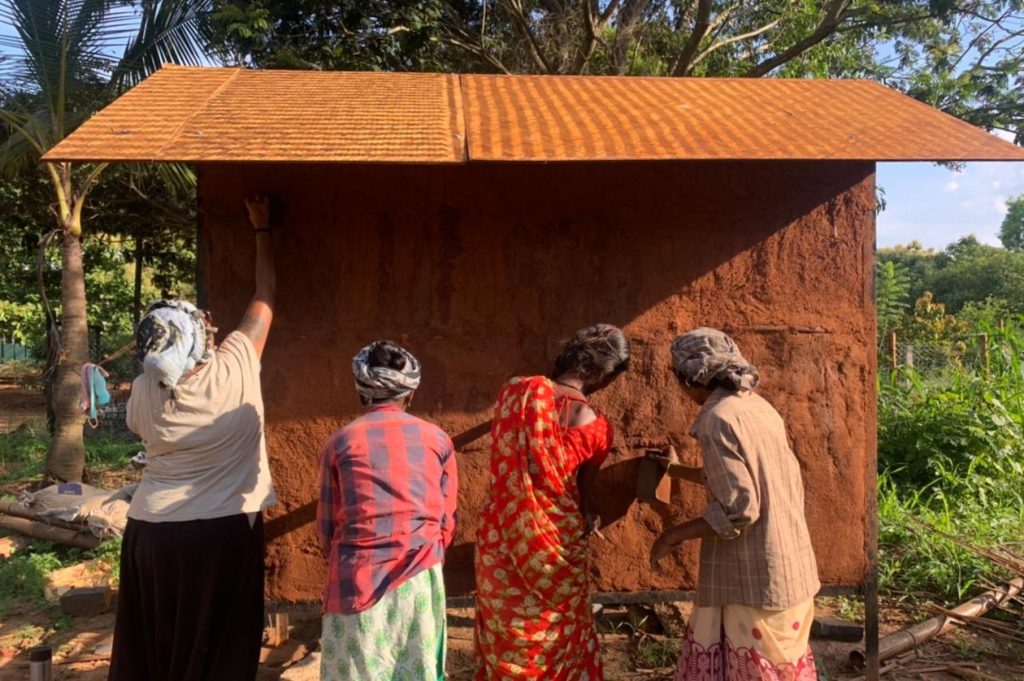
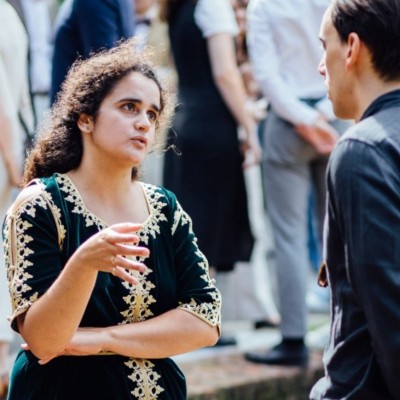
Nadia Everard
Co-founder, La Table Ronde de l’Architecture— host to INTBAU Belgium
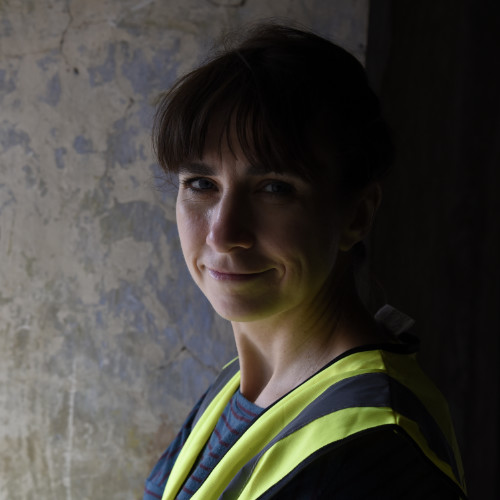
Kasia Howard
Senior Education Manager, The King’s Foundation Building Craft Programme
24 November 2026
URBAN NATURE
The Bartlett Faculty of the Built Environment, UCL + online
January 2027
RURAL VERNACULAR
Online
March 2027
CLIMATE EXTREMES
University of Oxford + online
April 2027
TIMBER
Oxford Brookes University + online
June 2027
EARTH
Online
July 2027
MAINTENANCE
CEPT + online
September 2027
THE WAY FORWARD
University of Cambridge + online
What can we learn from vernacular architecture about the connection between environmental and socio-cultural sustainability?
This question sits at the heart of the seminar series. Contributors will examine how their work captures the interdependence between environmental sustainability and socio-cultural sustainability, and how this connection manifests across different contexts, themes and forms of vernacular architecture.
Too often, discussions of sustainability in the built environment focus on environmental or socio-cultural dimensions in isolation. This series approaches them as deeply interdependent.
Through presentations, panel discussions and open Q&A, the series will explore:
- Examples of the connection between environmental and socio-cultural sustainability, and how this connection is integral to sustainability
- How to identify, engage with and promote this connection
- How the connection manifests across different themes and subthemes, and the breadth of vernacular architecture that exhibits it
- New learnings in vernacular architecture and construction, including in relation to modern needs and climate change
- Decolonising the research and study of vernacular architecture
- The overlap of sustainable and resilient lifestyles, environments and societies
- Potential collaboration between practice and study
Bringing together researchers and practitioners to share diverse experiences and approaches, the series aims to uncover new perspectives, foster collaboration and deepen understanding across the field.
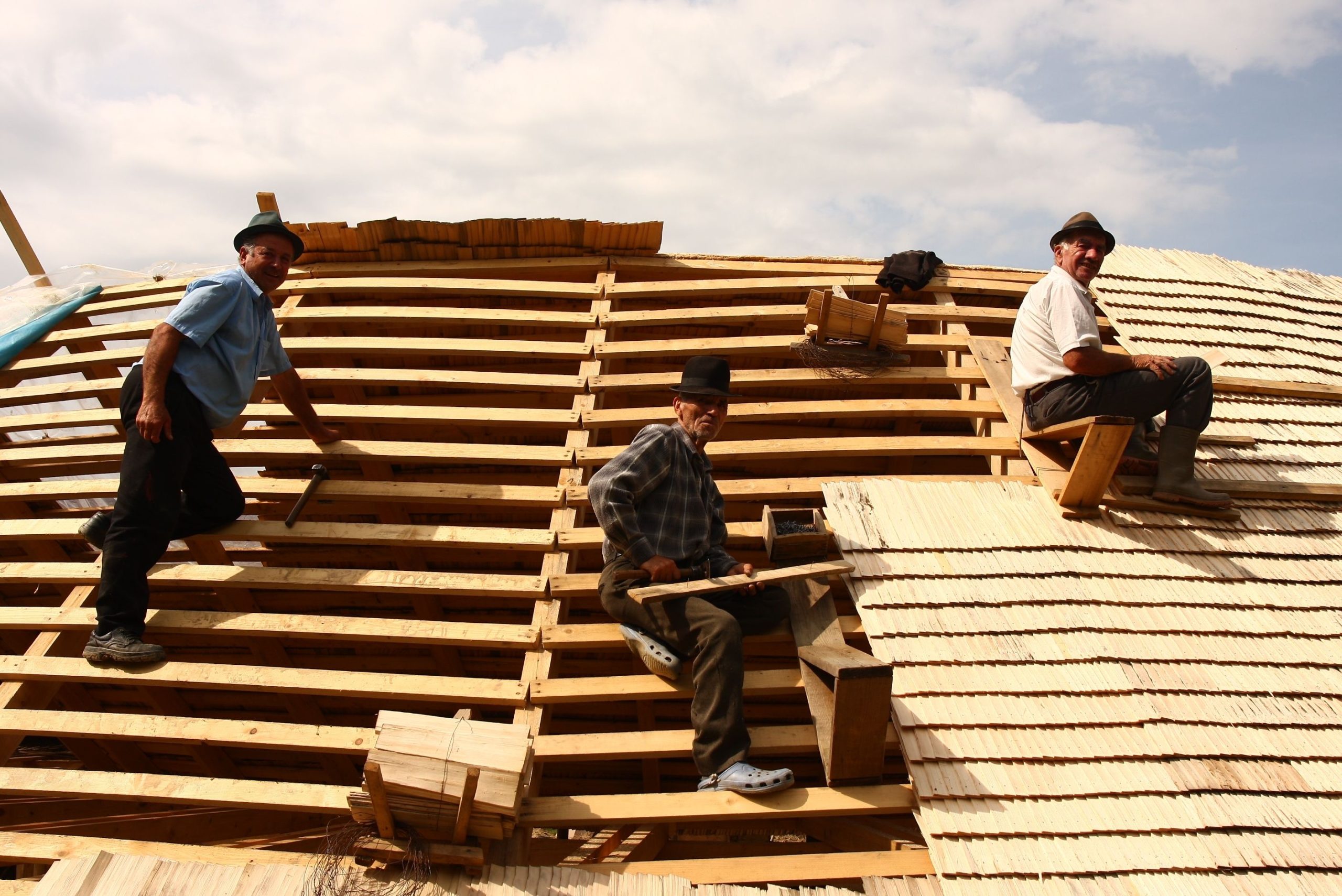
Head image credits: Școala de la Bunești, host to INTBAU Romania
About The King’s Foundation Academic Team
The King’s Foundation’s academic team delivers teaching and research on the diverse subjects present in the Foundation’s work, from architecture and urbanism to heritage, agriculture, health and wellbeing, community engagement, and craft.
About INTBAU
INTBAU is a global network of chapters, from Brazil to Pakistan, Finland to Kenya. We work to advance traditional building, architecture, and urbanism through Advocacy, Education, Research, and Grants for exceptional grassroots projects.