Through an INTBAU Grassroots project, students, young researchers and women in Michoacán have taken part in hands-on workshops exploring traditional construction techniques, natural building materials and the relationship between heritage, education and community.
Between November 2025 and August 2026, a team from the Universidad Michoacana de San Nicolás de Hidalgo (UMSNH), the Escuela Autónoma de Mujeres (EAM), the University of Lleida’s Sustainable Energy, Machinery and Buildings Group, and the Xirangua Collective delivered a programme of traditional construction workshops for young students and women in Michoacán, Mexico.
Supported through an INTBAU Grassroots grant, the project combined practical training, educational activities and community-based interventions to promote knowledge of traditional construction techniques and materials.
Across four workshops, participants explored earthen construction, lime-based systems, timber construction, stone construction and vernacular architecture, gaining practical experience while contributing to the improvement and conservation of community spaces.
Learning traditional techniques through practice
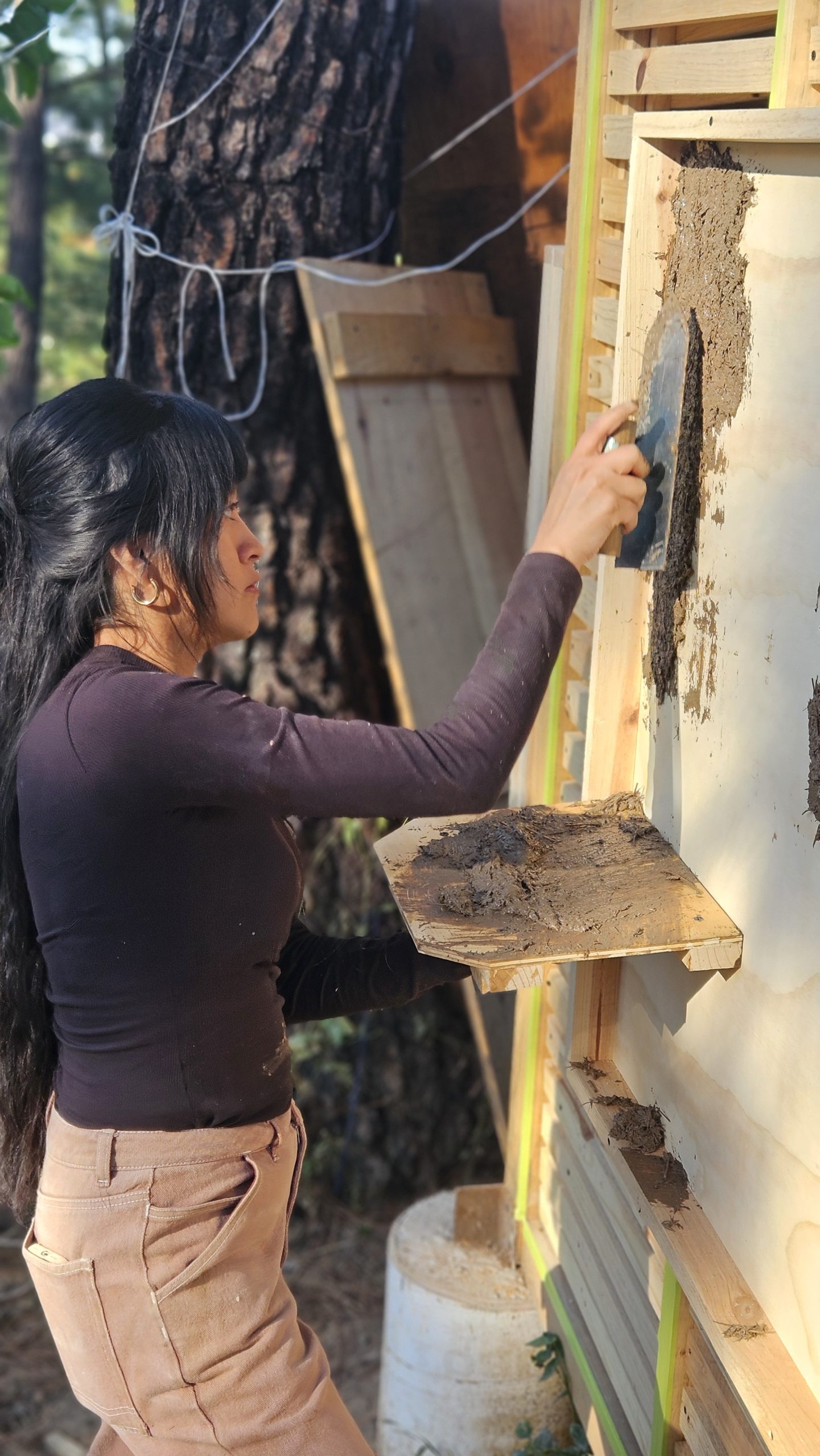
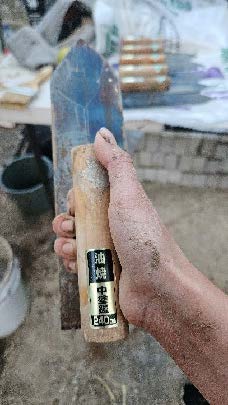
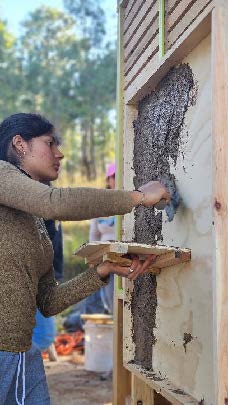
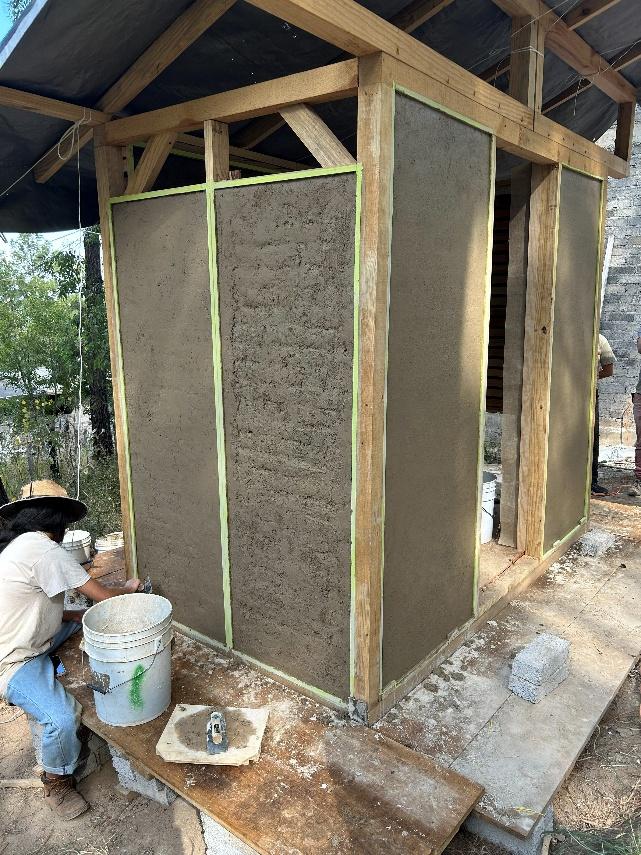
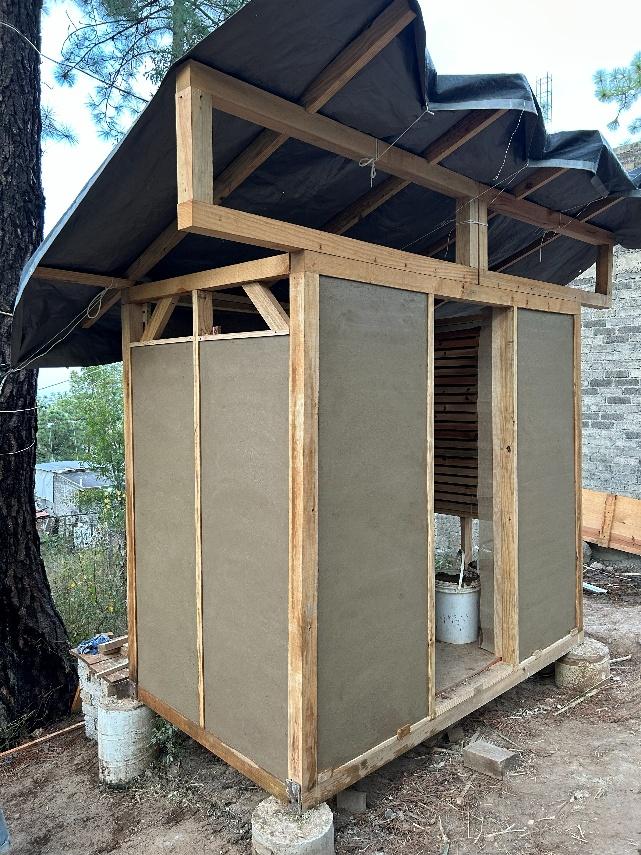
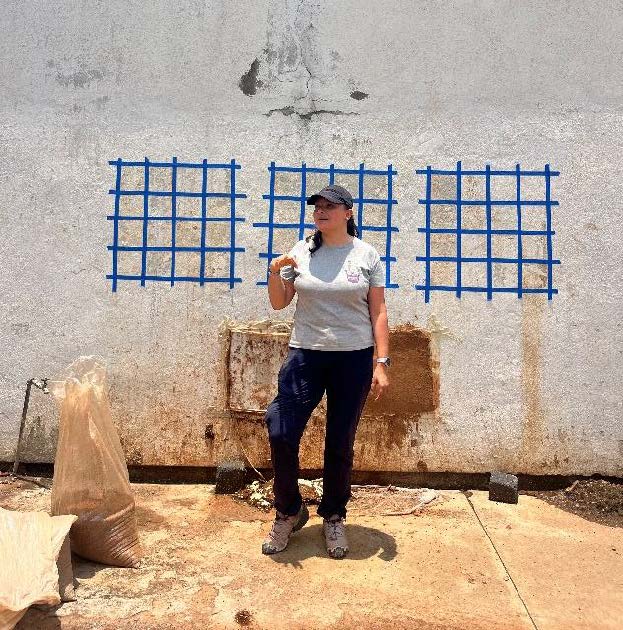
The first workshop, “Introduction to Traditional Japanese Base-Coat Techniques with Earth and Lime,” took place in November 2025 and was led by architect Rodrigo Bear Córdoba for members of the Escuela Autónoma de Mujeres community.
Approximately 15 participants took part, applying earth-and-lime base coats to the dry toilet modules at the EAM headquarters. Alongside contributing to the improvement and maintenance of the school facilities, the workshop provided participants with hands-on training in traditional finishing techniques.
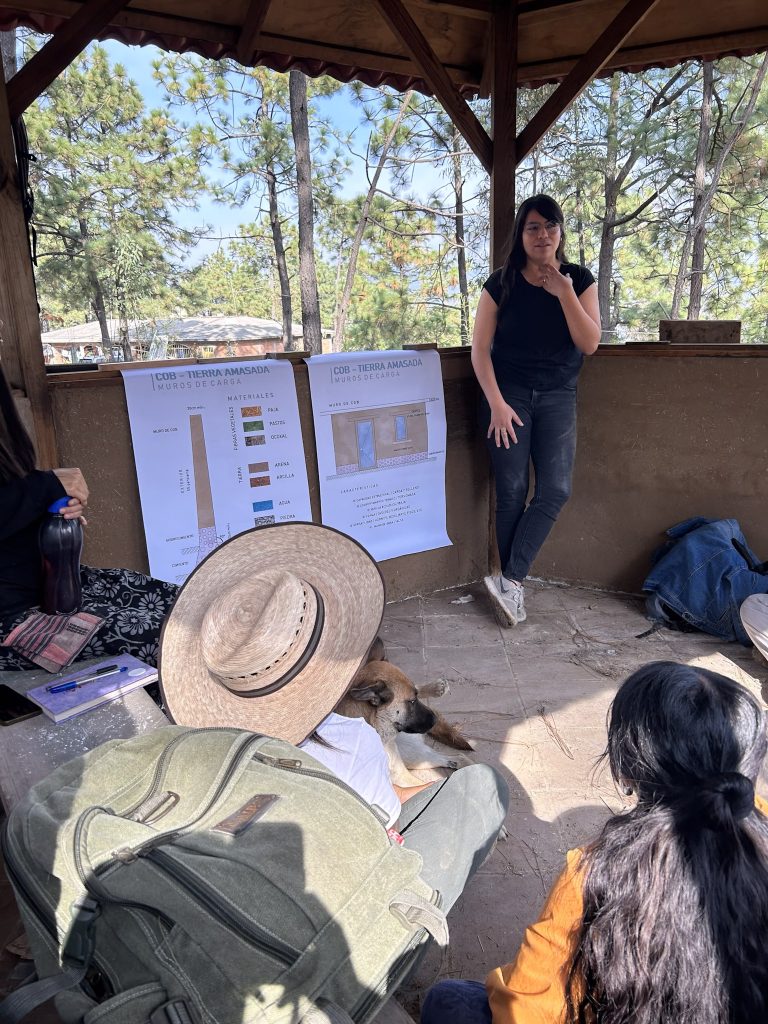
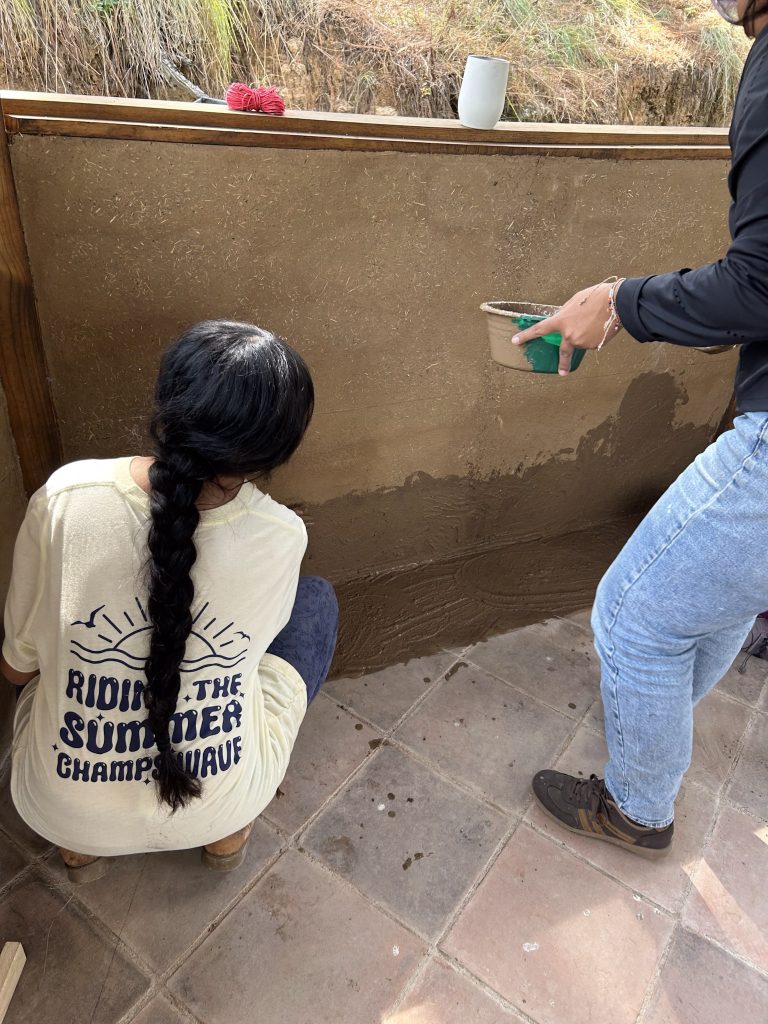
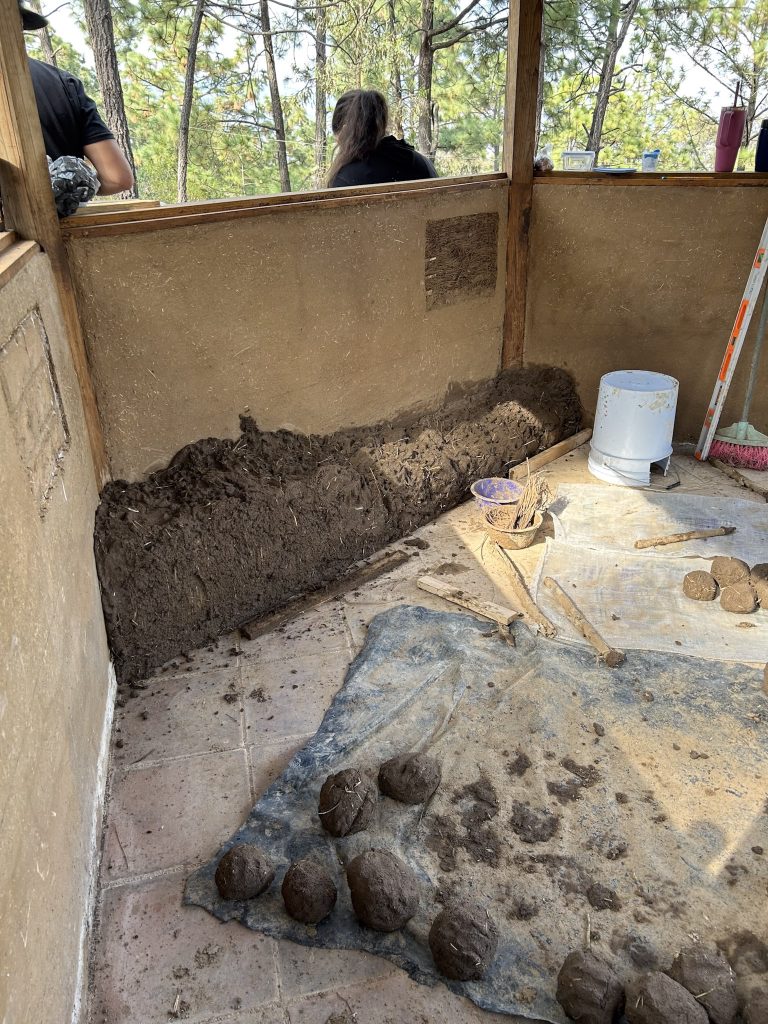
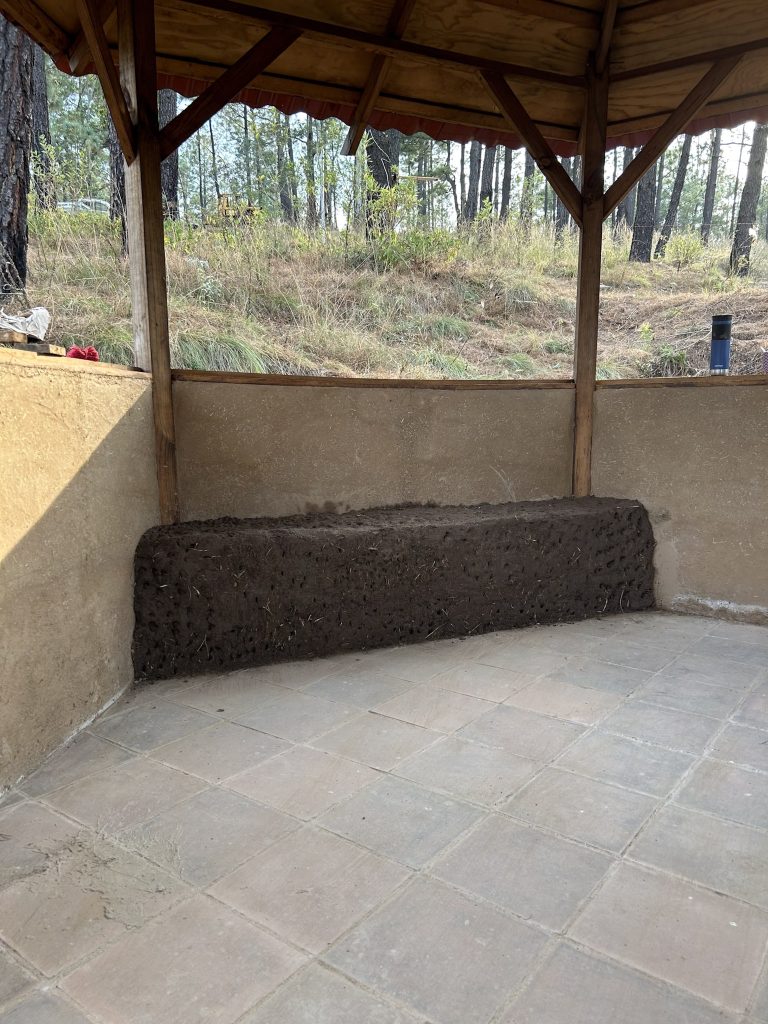
In December, participants returned to the EAM community for a second workshop, “Traditional COB Construction Technique: Modelling and Bench Construction,” taught by architect Carol Castillo from Opuntia Arquitectura.
The practical sessions focused on the preparation, modelling and construction of COB benches for the school’s headquarters module. The completed benches became a permanent improvement to the communal space, while participants developed practical skills in earthen construction, material preparation, shaping and collaborative building processes.
Developing new educational resources
The project also strengthened the educational capacity of the team itself. In November 2025, members of UMSNH and the Escuela Autónoma de Mujeres travelled to Guadalajara to participate in specialised technical training on the CRATerre Elementerre pedagogical toolkits, under the guidance of architect Sandy Minier.
The training provided the team with the technical knowledge required to use and replicate the Elementerre pedagogical kits and supported the development of future workshops based on the CRATerre methodology.
Following the training, the team replicated the pedagogical kits and prepared practical learning experiences for children and young people.
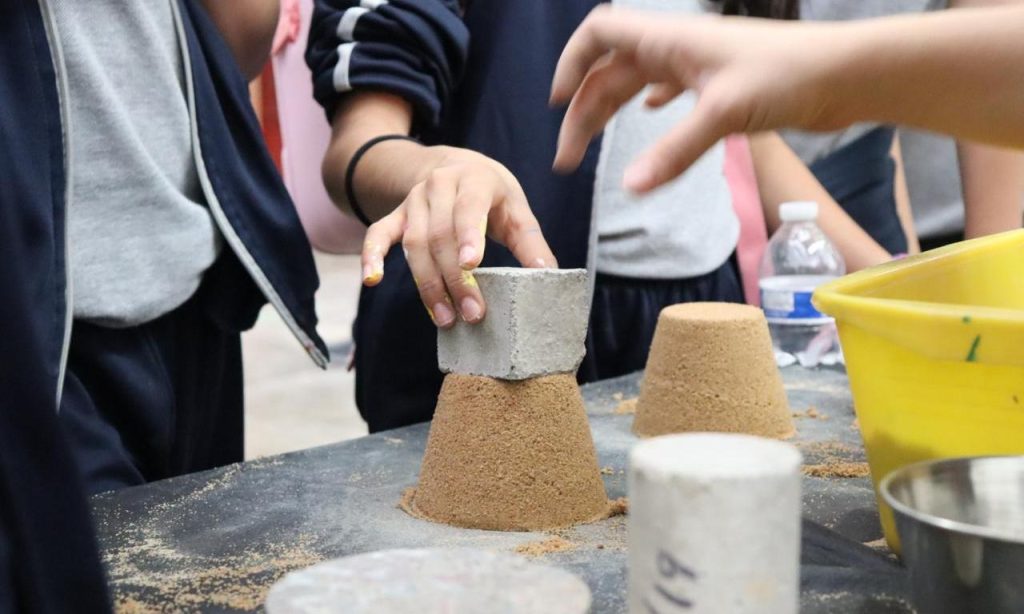
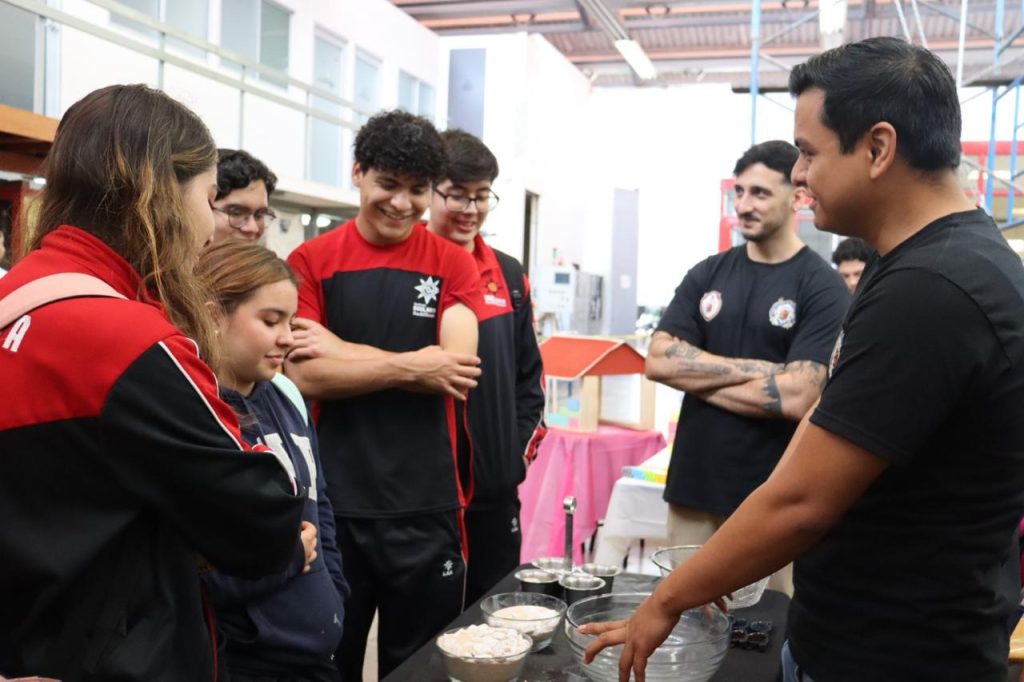
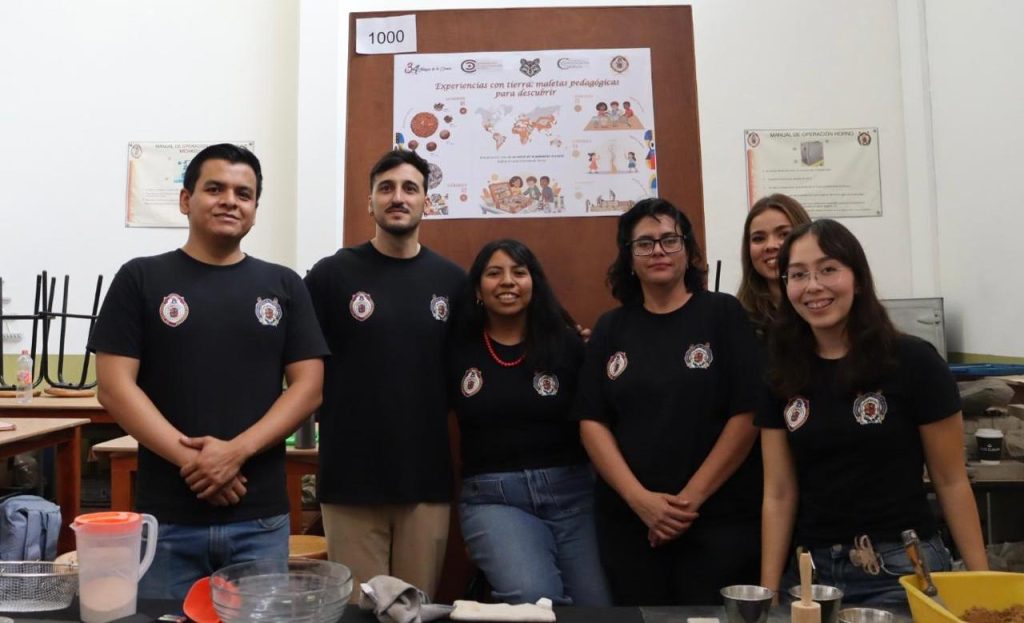
In June 2026, the first workshop using the replicated kits, “Experiences with Earth: Pedagogical Toolkits for Discovery,” was delivered as part of the Tianguis de la Ciencia 2026, organised by the Universidad Michoacana de San Nicolás de Hidalgo.
The Tianguis de la Ciencia is a major university outreach event promoting scientific curiosity among children and young students through interactive and educational activities. Through simple hands-on experiments and sensory activities, the workshop introduced participants to earth as a sustainable construction material.
Connecting traditional construction with university education
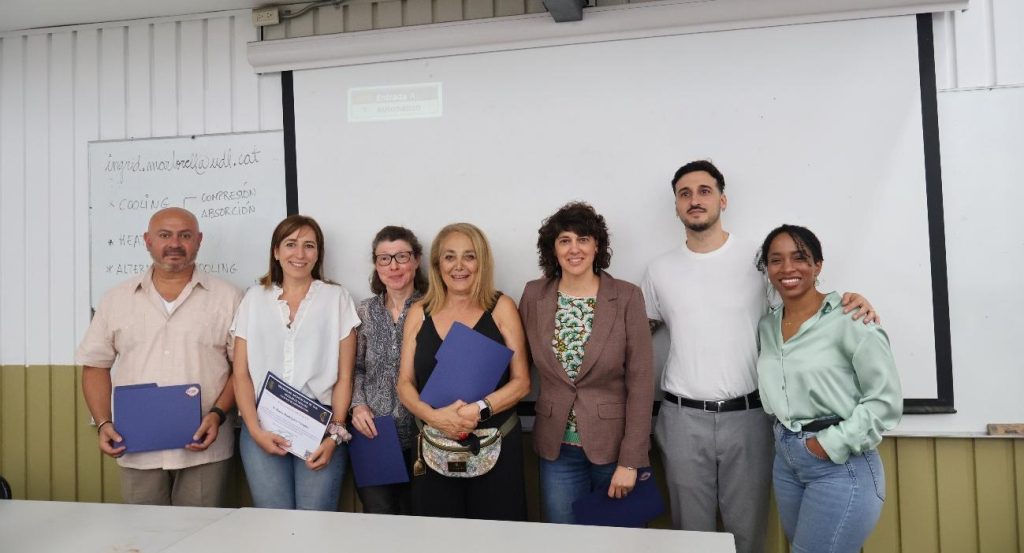
The fourth workshop, “INTBAU Grassroots Workshop 2026: Introduction to Traditional Architecture – Principles, Materials and Construction Systems,” brought together university students and young researchers participating in the Verano Nicolaita and Verano Delfín summer programmes.
Taking place from 6 to 15 July 2026, the workshop combined theoretical classes, thematic seminars, keynote lectures and hands-on activities.
The first phase, held at the Materials Laboratory of the Faculty of Civil Engineering at UMSNH, explored the principles and behaviour of traditional construction materials and techniques. Participants engaged with earthen construction, timber construction, lime-based systems and stone construction, alongside practical activities on earth plasters, the CRATerre Elementerre pedagogical kits and dry-stone construction techniques.
The programme also included a seminar on timber and vernacular architecture and keynote lectures from eight invited speakers. Two collaborators from the University of Lleida travelled to Morelia through an international cooperation and solidarity project, contributing specialised workshops and conference lectures and strengthening the international collaboration around the INTBAU Grassroots project.
Putting knowledge into practice in the community
The second phase of the July workshop moved from the university campus into the community.
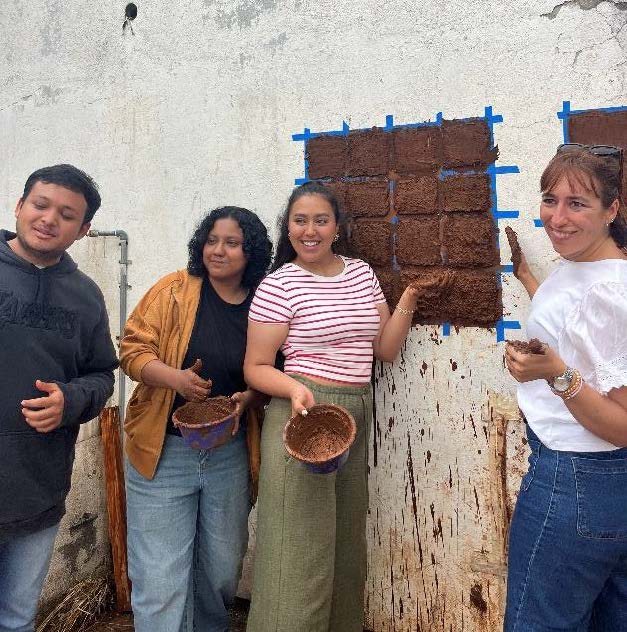
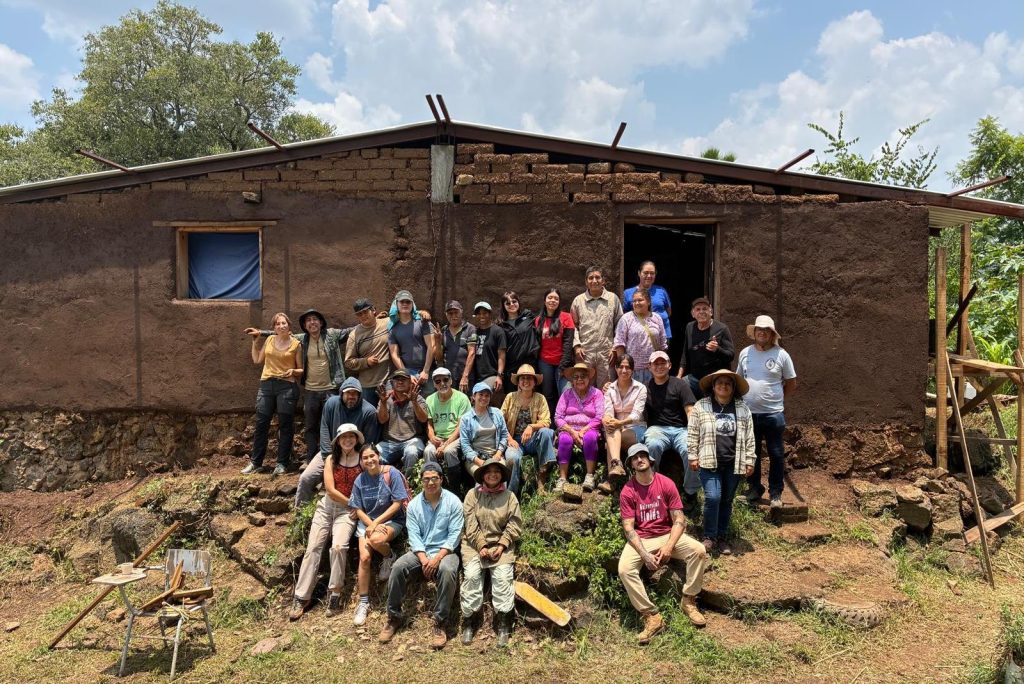
From 13 to 15 July, participants travelled to the peri-urban ecological community of Jardines de la Mintzita in Morelia, where they undertook a direct community intervention on the adobe communal house.
UMSNH students, participants from the Verano Delfín and Verano Nicolaita programmes, researchers associated with the INTBAU Grassroots project and members of the Mintzita community worked together under the guidance of architects Lorena Ramírez and Mariana Martínez.
Over three days, participants prepared earthen mixtures and applied protective exterior plasters to the adobe walls of the communal building. The intervention contributed to the conservation and improvement of a community space while providing intensive practical training in traditional earthen construction techniques.
It also demonstrated the social value of collaborative, heritage-based building practices: traditional construction knowledge was not only studied, but applied collectively to a place used by the community.
Continuing the work beyond the project
The project has also created opportunities for traditional construction education to continue beyond the initial programme of workshops.
In September 2026, the project team has been invited to deliver an additional Elementerre pedagogical workshop in the indigenous community of Charapan, Michoacán, working with children and young participants from the Semillero Artístico de Charapan.
The activity will build on the training, pedagogical resources and equipment developed through the INTBAU Grassroots project, extending the reach of the project to a new community.
Through its combination of practical training, educational resources, university collaboration and community intervention, the project demonstrates how traditional construction can provide a valuable setting for learning, knowledge-sharing and community engagement — while supporting the continued understanding and use of traditional materials and building practices in Michoacán.
Information and images provided by the project team.
Learn more
INTBAU Grassroots
INTBAU Grassroots is a small grants programme that funds local projects testing traditional, durable, and sustainable solutions for the built environment.
Universidad Michoacana de San Nicolás de Hidalgo (UMSNH)
The Universidad Michoacana de San Nicolás de Hidalgo (UMSNH) is the main public university in the state of Michoacán, Mexico, with a strong tradition in teaching, research and regional engagement. UMSNH coordinated the project through Adrià Sánchez-Calvillo, with the participation of the Materials Research Group led by Prof. Elia Mercedes Alonso Guzmán, contributing its experience in traditional building materials, earthen construction and sustainable approaches to the built environment.
Escuela Autónoma de Mujeres (EAM)
The Escuela Autónoma de Mujeres (EAM) is a women’s collective based in Morelia, Michoacán, dedicated to collaborative learning, practical training and community work through courses and activities primarily aimed at women from the region. Its participation in the project was coordinated by Ximena Verduzco Flores, contributing to the organisation and development of practical workshops on traditional building techniques.
University of Lleida (UdL)
The Sustainability in Energy, Machinery, Buildings and Advanced Computing (SEMBAC) Research Group at the University of Lleida (UdL), Spain, develops research related to sustainability, energy and the environmental performance of buildings and construction materials. The group participated in the project through Lídia Rincón, Ingrid Martorell and Marta Rodríguez, contributing their research and teaching experience in earthen construction, traditional building materials and sustainable construction.
Xirangua Collective
The Xirangua Collective is an interdisciplinary initiative dedicated to the research, documentation and dissemination of vernacular architecture and traditional building cultures in Michoacán, Mexico. Its activities combine research projects, practical workshops, audiovisual production and scientific and cultural outreach, connecting academic research with communities, local knowledge and traditional building practices.