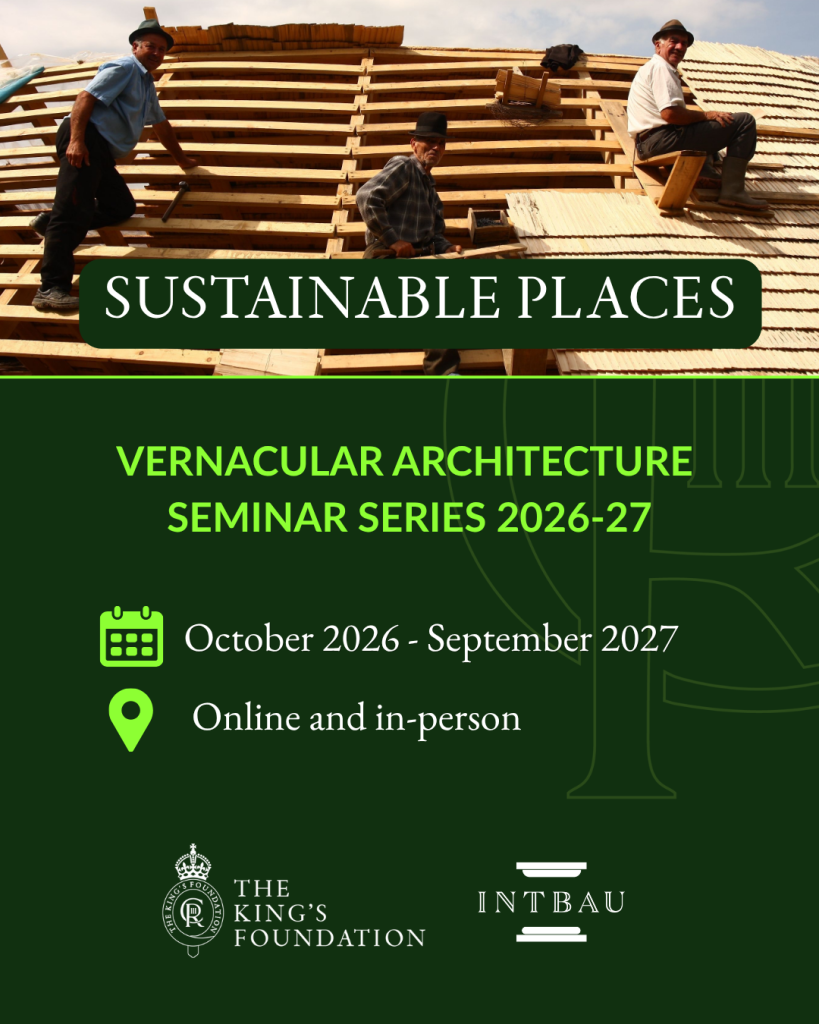
Join The King’s Foundation and INTBAU for Sustainable Places: Vernacular Architecture Seminar Series 2026–27, a research project and seminar series exploring the fundamental connection between environmental sustainability and socio-cultural sustainability, as embodied in vernacular architecture.
Between October 2026 and September 2027, eight panel sessions will bring together researchers and practitioners from a range of disciplines to share their work, approaches and insights, developing a common language around the interdependence of environmental and socio-cultural sustainability.
The series will also help set the framework for The King’s Foundation’s PhD Scholarship in Traditional Building & Vernacular Architecture.
Programme
Each session will feature two to three speakers and one moderator. The first part of each session will be dedicated to presentations from the speakers, followed by a panel discussion and open Q&A with the audience.
Sessions will be held online and in person in hybrid formats, bringing together participants across different locations and contexts.
Upcoming Sessions
Urban Nature | Register to join
Session 2
24 November 2026
Online and in-person participation at the Development Planning Unit at UCL Bartlett
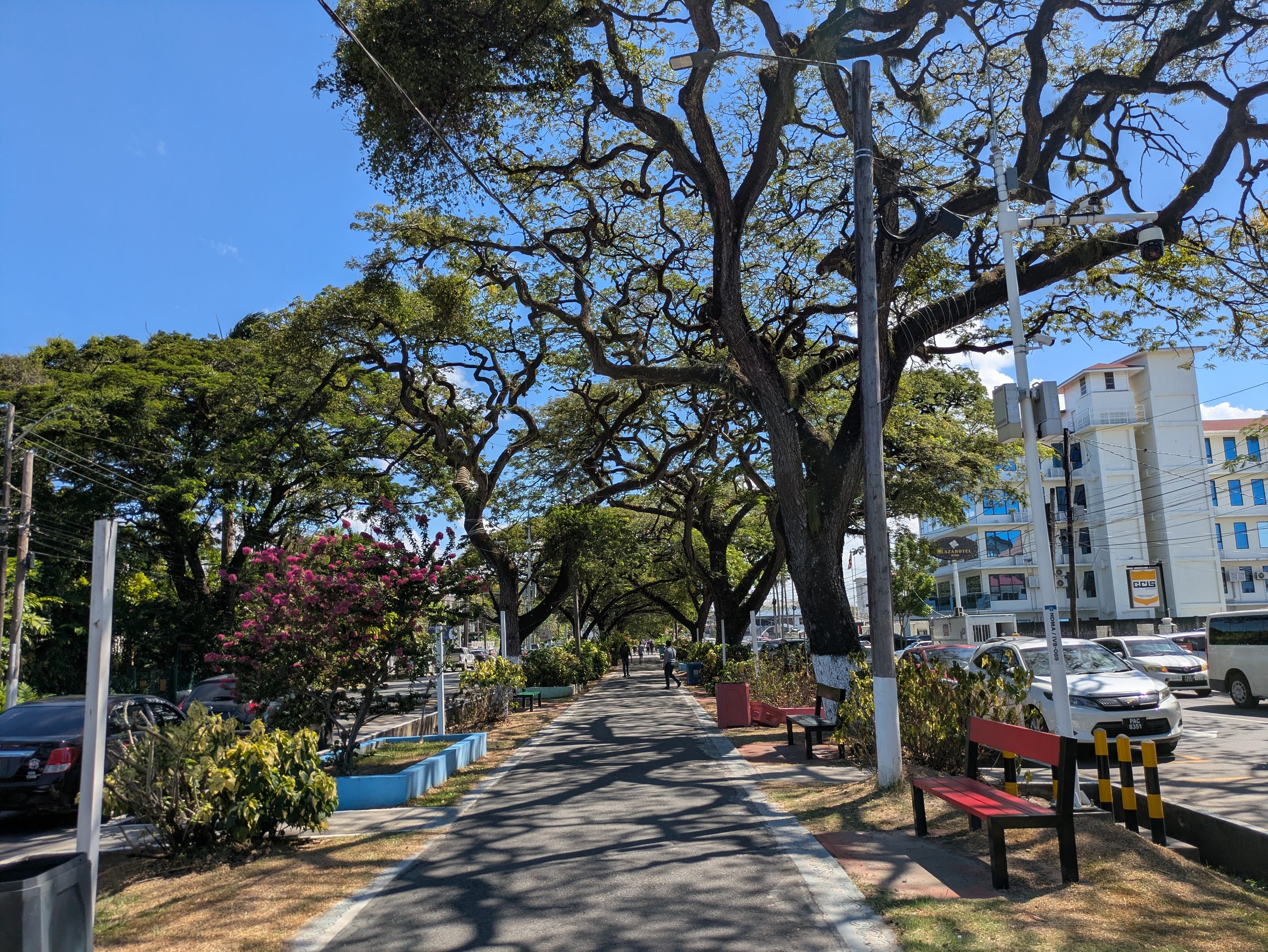
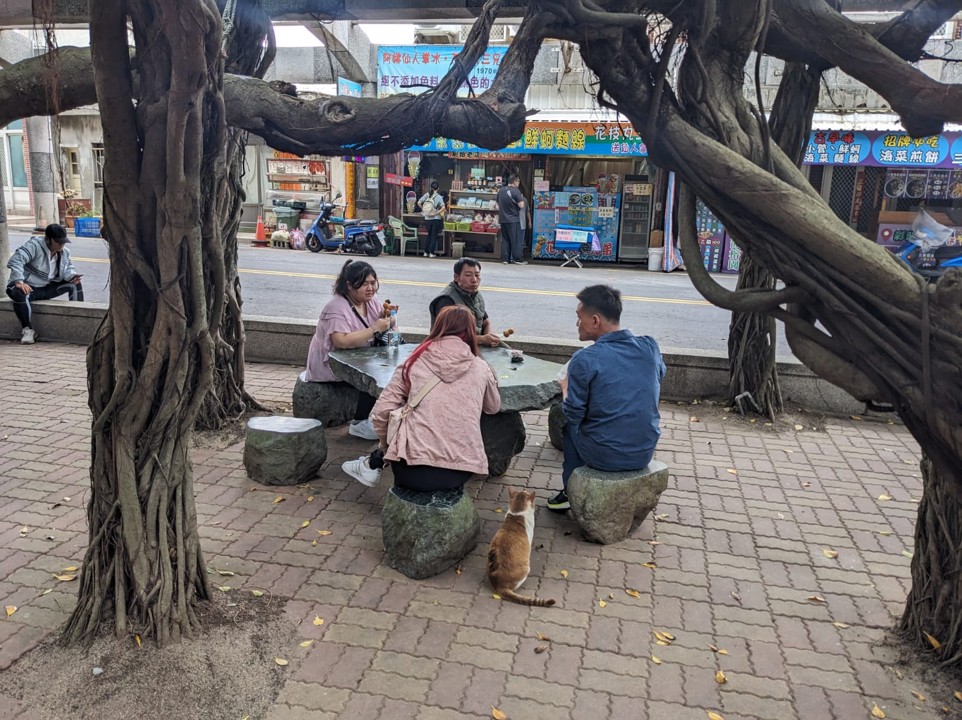
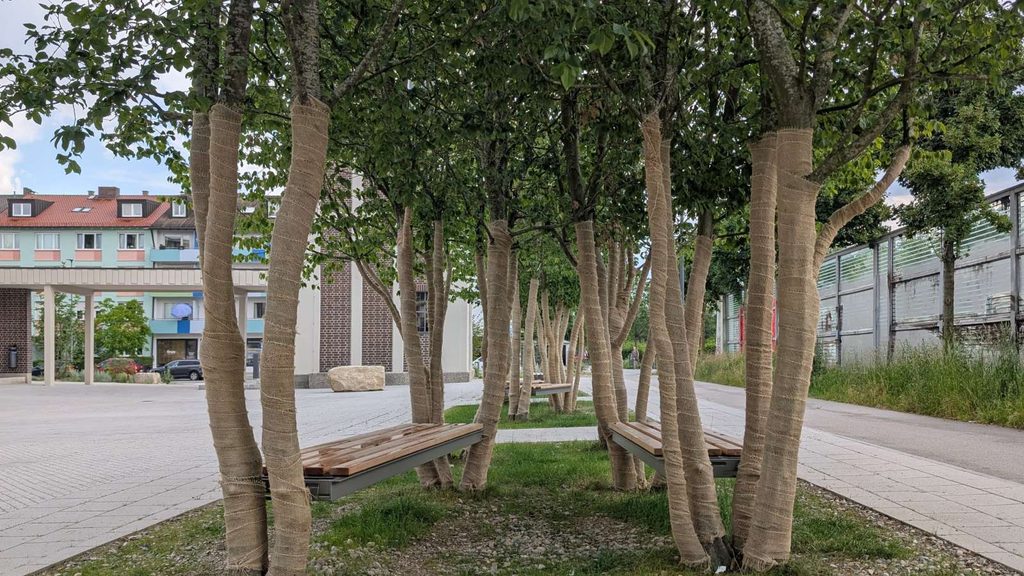
This session will explore the vernacular character of urban nature – how it reflects local traditions and conditions, how it is cultivated by and for communities, and the effects of urban nature on health and wellbeing.
Co-hosting with the Development Planning Unit at UCL Bartlett, we will compare perspectives from Jaipur, Georgetown, Dar es Salaam and Nairobi, showing how, in each case, urban nature is generated by people and place.
Meet the speakers:
Jessica Fisher
Research Fellow at the Durrell Institute of Conservation and Ecology (DICE), University of Kent
Jess is a conservation social scientist and Research Fellow. Since 2016, she has been researching how nature benefits human health and wellbeing, exploring how people relate to different species and ecosystems, and how the multisensory experience of nature varies across different sectors of society. She specialises in bringing together a diversity of methods, drawing from ecology, psychology, and visual anthropology, across urban, coastal, and forest ecosystems.
She currently works on a five-year initiative exploring nature restoration as a socioecological system, focussing on local and regional scales. This project involves co-producing research with conservation NGOs, NHS trusts, and local authorities to make a positive difference to people and biodiversity in the surrounding landscapes. She holds a PhD from the University of Kent, and is Associate Editor for the interdisciplinary journal People and Nature.
Manisha Sharma
Founder, UrbanART

Manisha Sharma is an architect and urbanist based in Jaipur, India, and founder of urbanART, a practice exploring how architecture, urbanism and collaborative learning can respond to local ecological, social and cultural contexts. Her work recognises the interdependence of human and non-human life, natural resources and infrastructure.
Her experience spans Dhun, a regenerative settlement in Rajasthan, Auroville and Dharmalaya, alongside her roots in the Shekhawati region. Across these contexts, she explores how ecological limits, water systems, local knowledge and community participation can inform settlement design. Through urbanART and initiatives such as Future Manual, she brings people together to exchange knowledge and imagine resilient futures.
Dr Wilbard Kombe
Research lead in Dar es Salaam, Ardhi University
Wilbard is a Professor of Urban Land Management, and the former Director of the Institute of Human Settlements Studies at Ardhi University, Dar es Salaam. Kombe has extensive consulting experience with institutions such as the UN-Habitat, the World Bank, the Danish International Development Agency, and Sida. His research focuses on urban land management, governance of informal urbanisation, and governance of water and sanitation in peri-urban, urban poverty and basic infrastructure services delivery.
Past Sessions
Forming Community | Watch the recording
6 October, 12:00-1:30pm BST, online
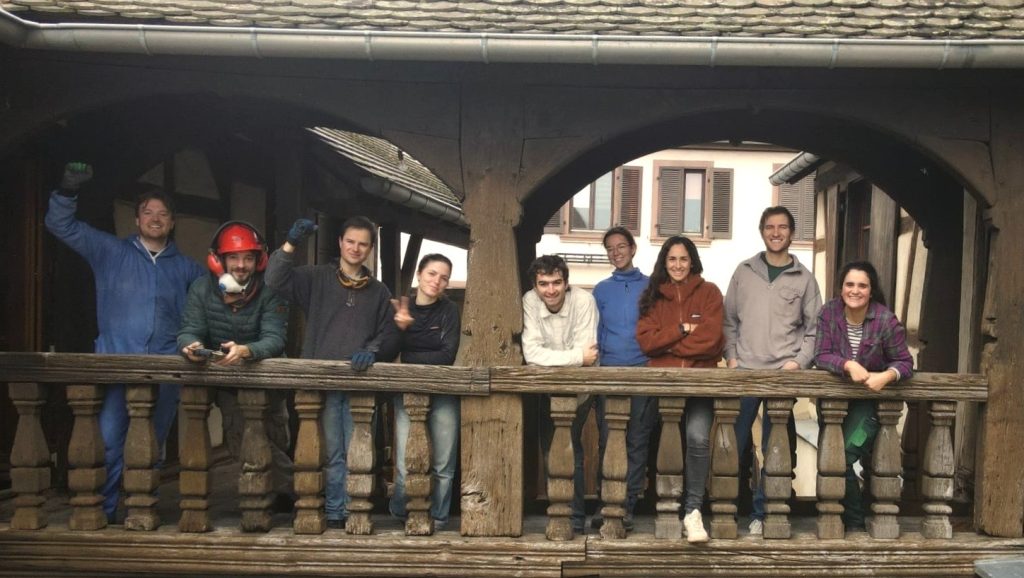
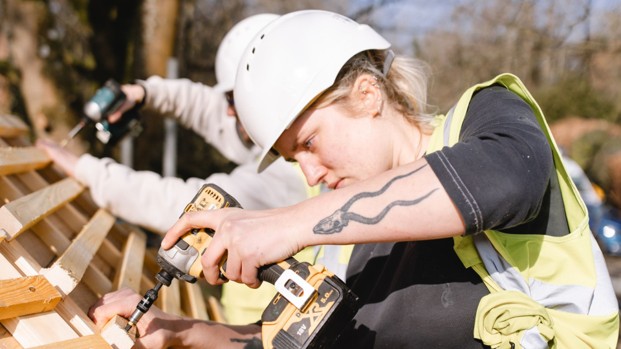
The session explored how community is formed around vernacular architecture practice, use and education. We will explore people’s motivations to grow community and the technical and social skills they learn through it.

Meet the speakers:
Rosie Paul
Co-founder, Masons Ink Studio— INTBAU Grassroots grantee

Rosie Paul is the principal architect of Masons Ink Studio, a design and construction firm based out of India focused on heritage conservation and sustainable development. She has specialised in earthen architecture and sustainable habitats from CRAterre in France – the UNESCO chair for earthen architecture and heritage.
She heads the built environment team at Masons Ink Studio that is aimed at reducing carbon footprint, capacity building in alternate technologies and bringing about gender equality in the construction sector. Rosie Paul is currently involved in research on indigenous knowledge and their relevance to future challenges with special focus on the active and passive role of women in traditional building construction.
Nadia Everard
Co-founder, La Table Ronde de l’Architecture— host to INTBAU Belgium
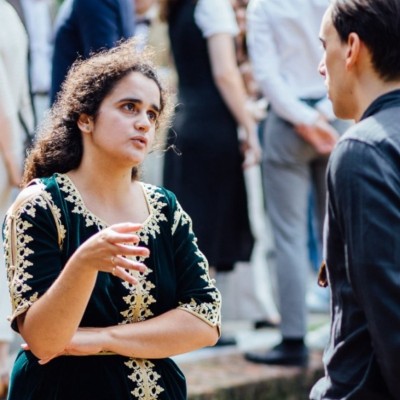
Nadia is co-founder of La Table Ronde de l’Architecture, an organisation dedicated to the teaching and promotion of traditional architecture and building crafts through educational programmes, workshops and summer schools across Europe.
Since 2023, Nadia has also been organising the Philippe Rotthier European Architecture Prize, which recognises exemplary work by European architects, town planners and craftsmen around the world. Nadia holds a Bachelor’s degree in architecture from La Cambre-Horta in Brussels and a Master’s degree from the Sir John Cass School of Art and Architecture in London.
Kasia Howard
Senior Education Manager, The King’s Foundation Building Craft Programme
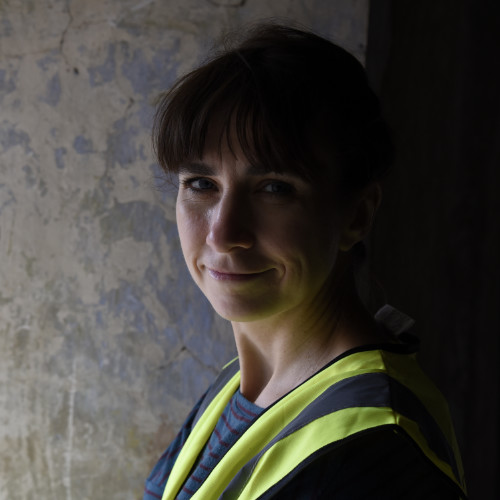
Kasia is Senior Education Manager at The King’s Foundation, where she leads the Building Crafts, Building Arts and All-Ireland Programme, supporting the next generation of traditional building craftspeople and bringing together practitioners across the UK and different disciplines. She is also a Craft Educator based at Highgrove, where she works with colleagues to champion sustainable and traditional approaches to textiles, furniture making, and related crafts.
Kasia has extensive experience in engagement and education within the heritage sector. She spent 13 years at The Landmark Trust, where she developed engagement projects alongside heritage conservation, including work at Astley Castle and Llwyn Celyn, helping create new community facilities and museum spaces. She holds a Master’s degree in Conservation of the Historic Environment from Birmingham City University.
Scheduled Sessions
January 2027
RURAL VERNACULAR
Online
March 2027
CLIMATE EXTREMES
University of Oxford + online
April 2027
TIMBER
Oxford Brookes University + online
June 2027
EARTH
Online
July 2027
MAINTENANCE
CEPT + online
September 2027
THE WAY FORWARD
University of Cambridge + online
What can we learn from vernacular architecture about the connection between environmental and socio-cultural sustainability?
This question sits at the heart of the seminar series. Contributors will examine how their work captures the interdependence between environmental sustainability and socio-cultural sustainability, and how this connection manifests across different contexts, themes and forms of vernacular architecture.
Too often, discussions of sustainability in the built environment focus on environmental or socio-cultural dimensions in isolation. This series approaches them as deeply interdependent.
Through presentations, panel discussions and open Q&A, the series will explore:
- Examples of the connection between environmental and socio-cultural sustainability, and how this connection is integral to sustainability
- How to identify, engage with and promote this connection
- How the connection manifests across different themes and subthemes, and the breadth of vernacular architecture that exhibits it
- New learnings in vernacular architecture and construction, including in relation to modern needs and climate change
- Decolonising the research and study of vernacular architecture
- The overlap of sustainable and resilient lifestyles, environments and societies
- Potential collaboration between practice and study
Bringing together researchers and practitioners to share diverse experiences and approaches, the series aims to uncover new perspectives, foster collaboration and deepen understanding across the field.
Head image credits: Școala de la Bunești, host to INTBAU Romania
About The King’s Foundation Academic Team
The King’s Foundation’s academic team delivers teaching and research on the diverse subjects present in the Foundation’s work, from architecture and urbanism to heritage, agriculture, health and wellbeing, community engagement, and craft.
About INTBAU
INTBAU is a global network of chapters, from Brazil to Pakistan, Finland to Kenya. We work to advance traditional building, architecture, and urbanism through Advocacy, Education, Research, and Grants for exceptional grassroots projects.