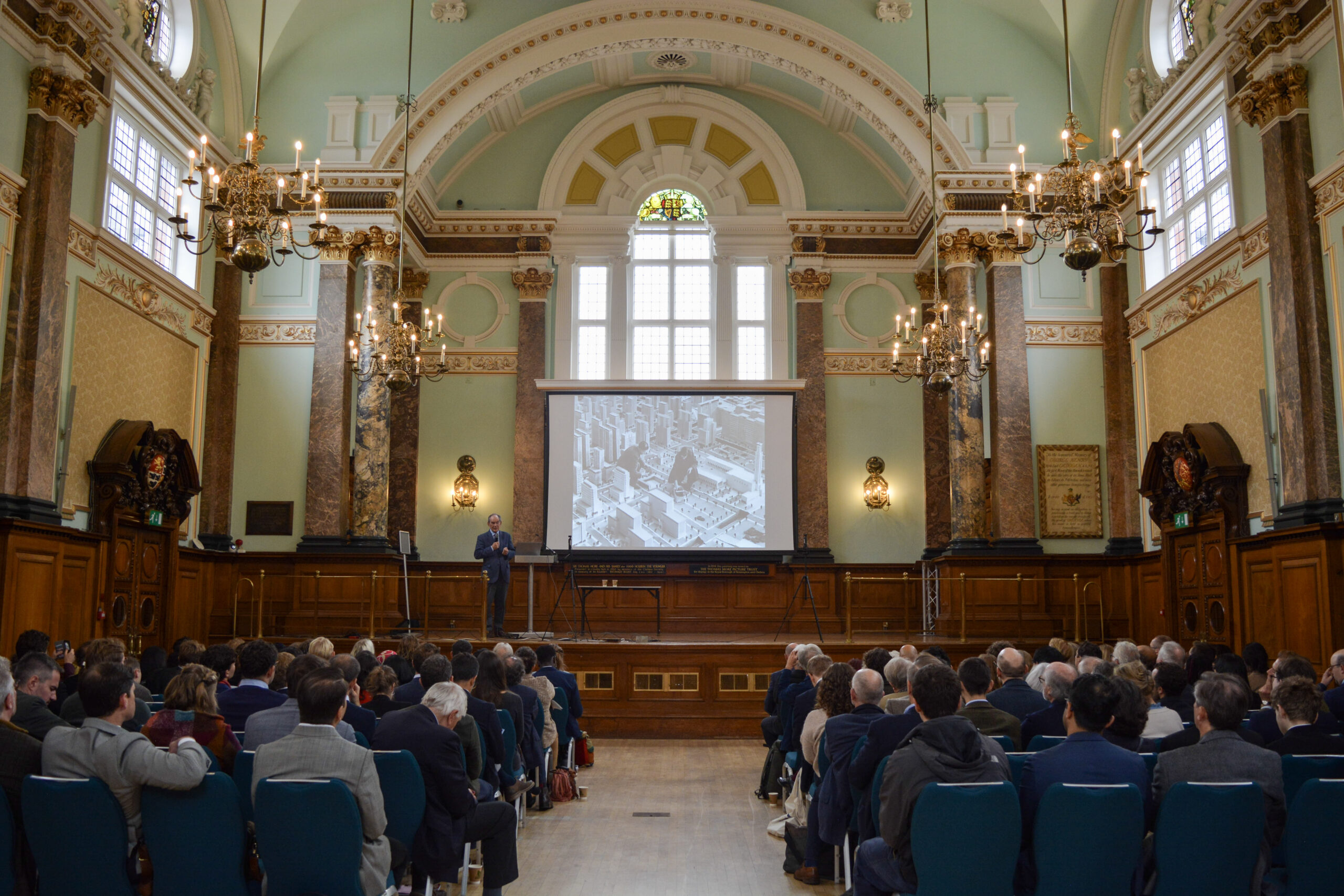
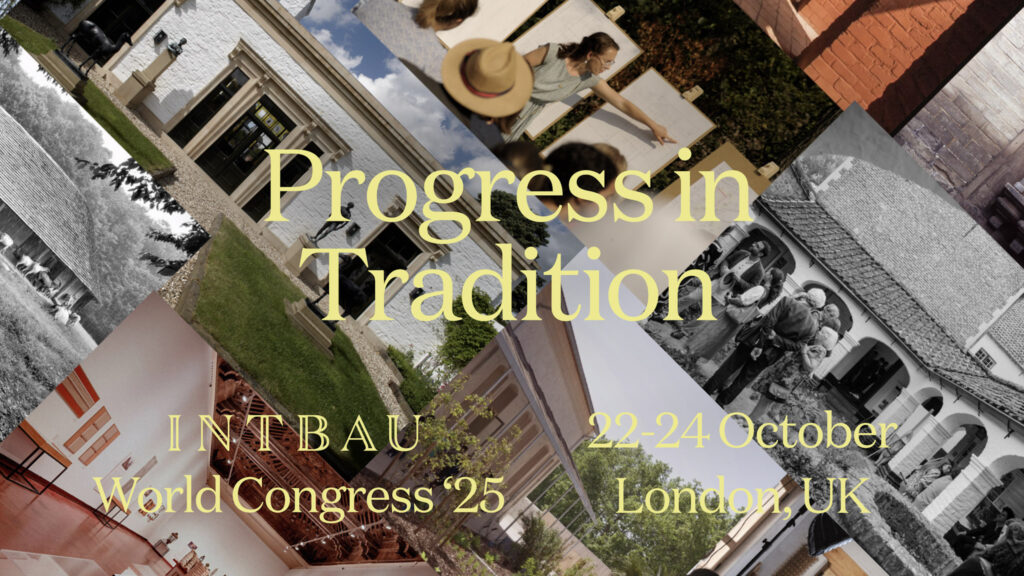
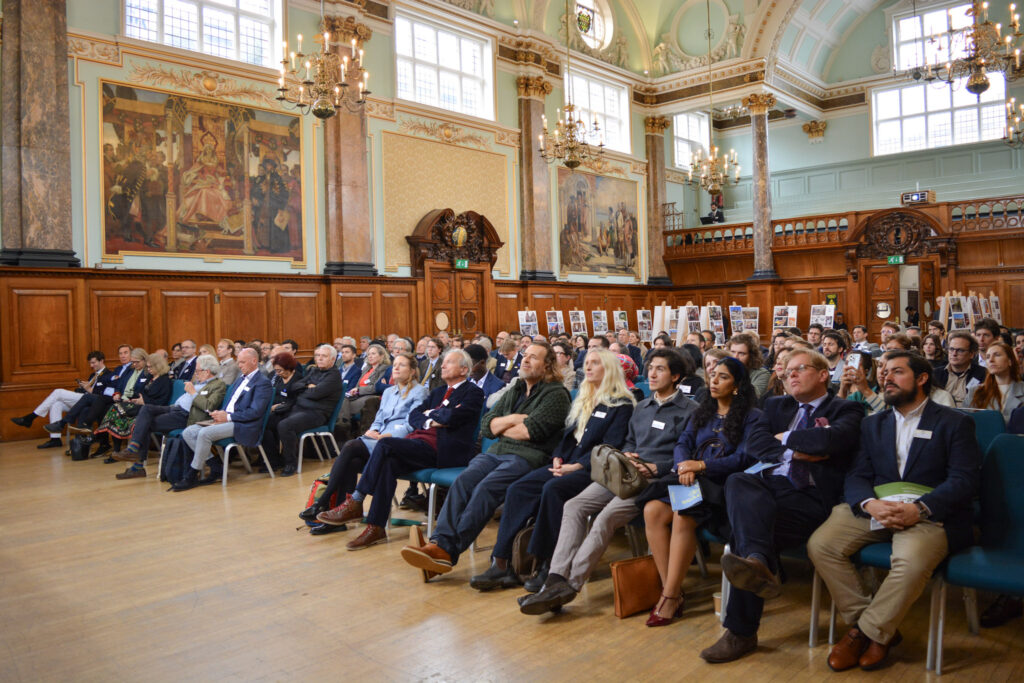
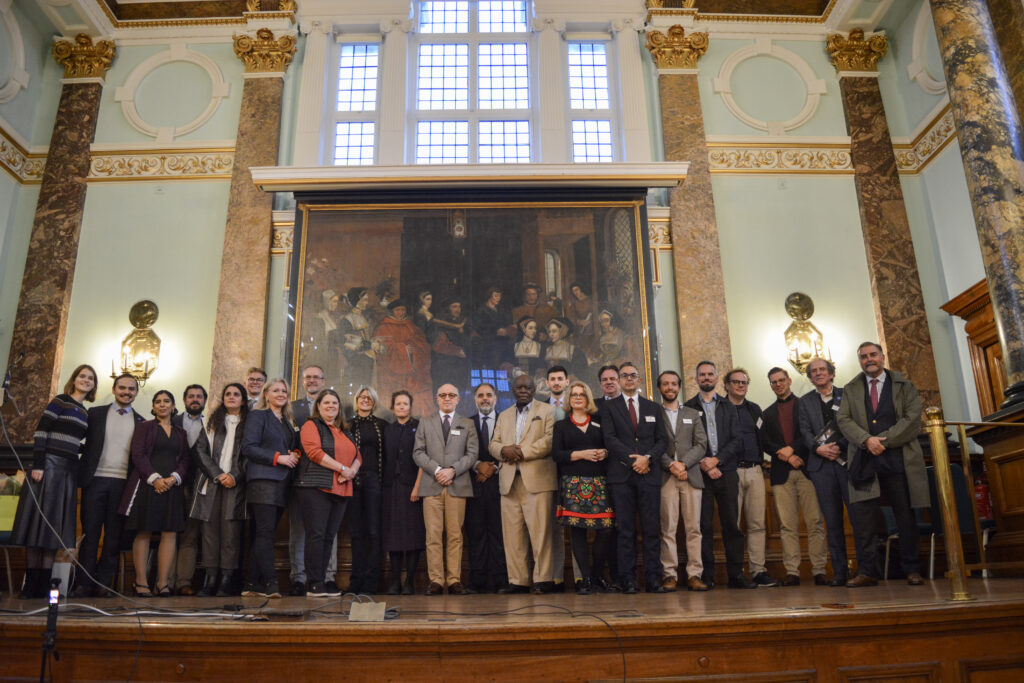
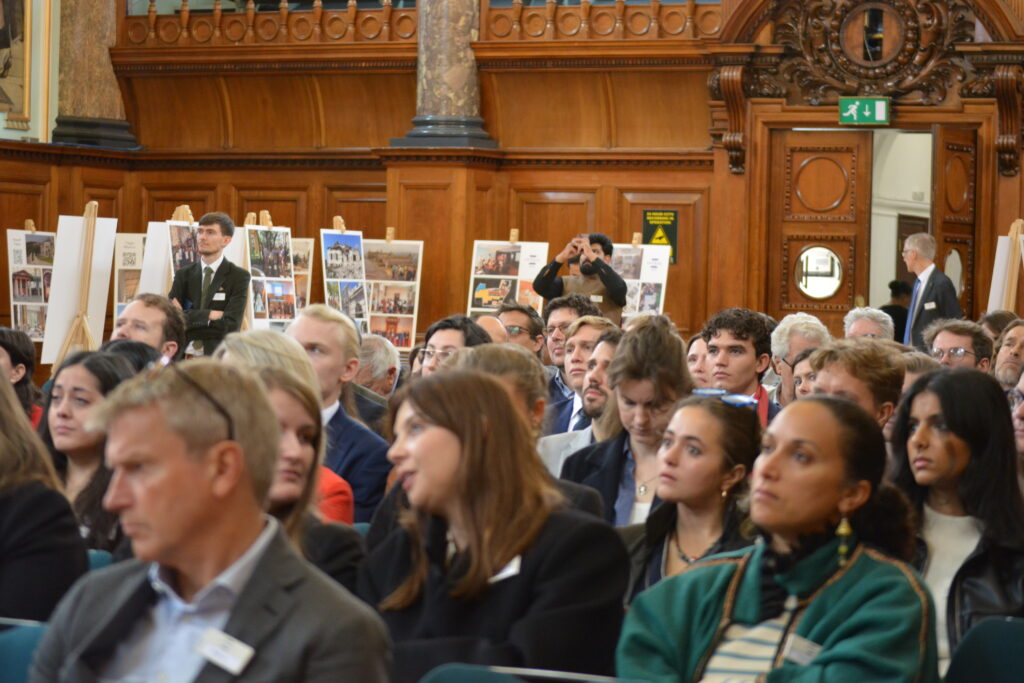
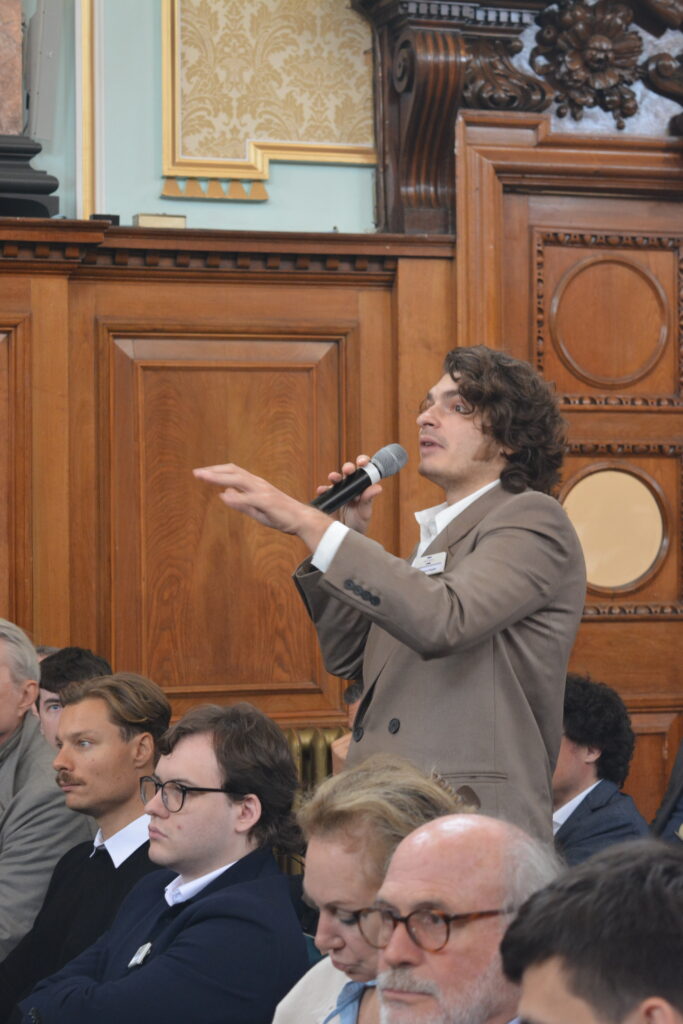
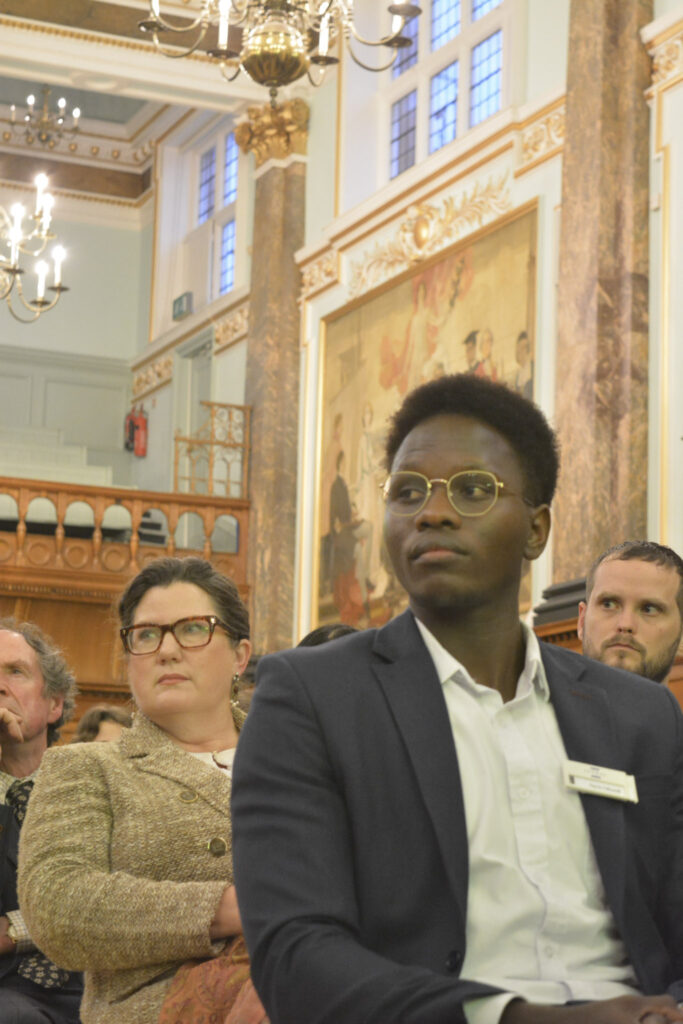
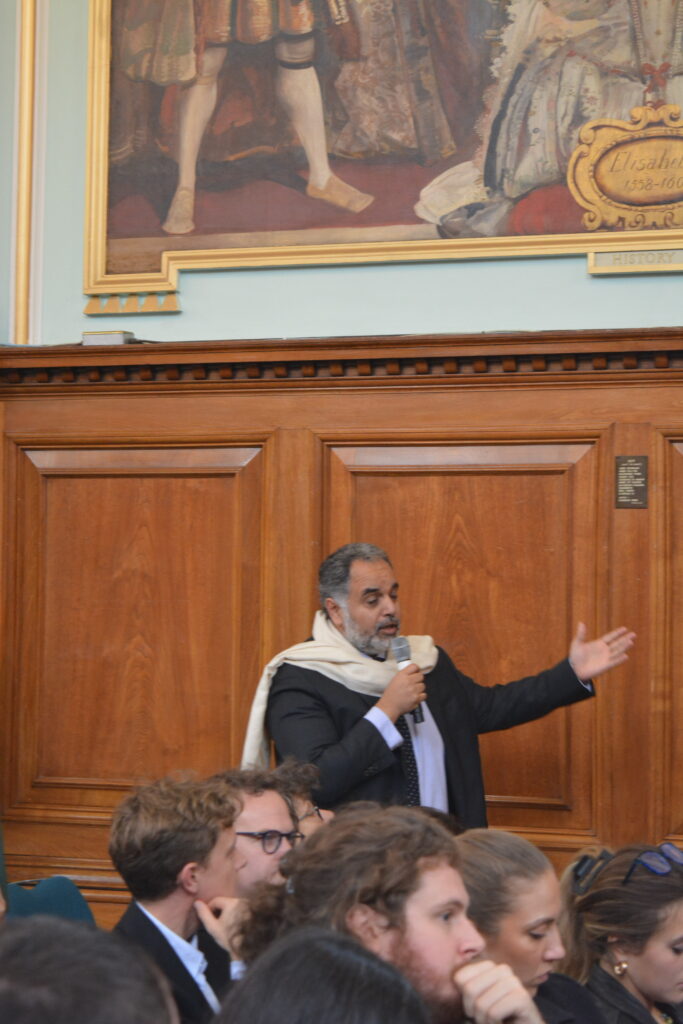
INTBAU’s fifth World Congress took place in London from 22–24 October 2025, marking the network’s 25th anniversary. More than 250 attendees joined across four days, representing over 40 countries and regions — from architecture students and doctoral researchers to master craftspeople, alongside urban designers, developers, architects, and concerned citizens and civic officials.
Under the theme Progress in Tradition, the programme centred on what is being designed, built, researched, and taught globally — and the real and replicable evidence this provides that tradition is not a constraint but a source of solutions for contemporary challenges. Across discussions on materials, design, adaptability, and community-led place-making, there was a shared understanding that traditional knowledge provides practical pathways for creating a healthier, more resilient built environment.
25 years on from INTBAU’s founding, the scale and confidence of the World Congress marked a clear shift. What began in 2001 with practitioners often working in isolation has grown into a far broader global exchange supported by an expanding network of practitioners, INTBAU Chapters and members, and forward-looking projects.
For newer members, the Congress offered a vivid introduction to INTBAU’s work and reach. Those who have been part of the network for longer spoke of the growing impact that Chapters, partners, and allied organisations are achieving.
The mix reflected what makes the network distinct: globally relevant ideas anchored in local knowledge; tradition working confidently alongside innovation; and the understanding that with societies facing large-scale, simultaneous transformations, only a holistic approach can meet the challenges that are too complex and too significant for a single ‘business as usual’ solution.
The Congress closed with a sense that the work required ahead is both ambitious and achievable. The gathering in London was not an end point but a marker of collective progress — and a reminder that tradition is not only alive but advancing with purpose, shaped by a global community committed to building places that are humane, resilient, and rooted in continuity.
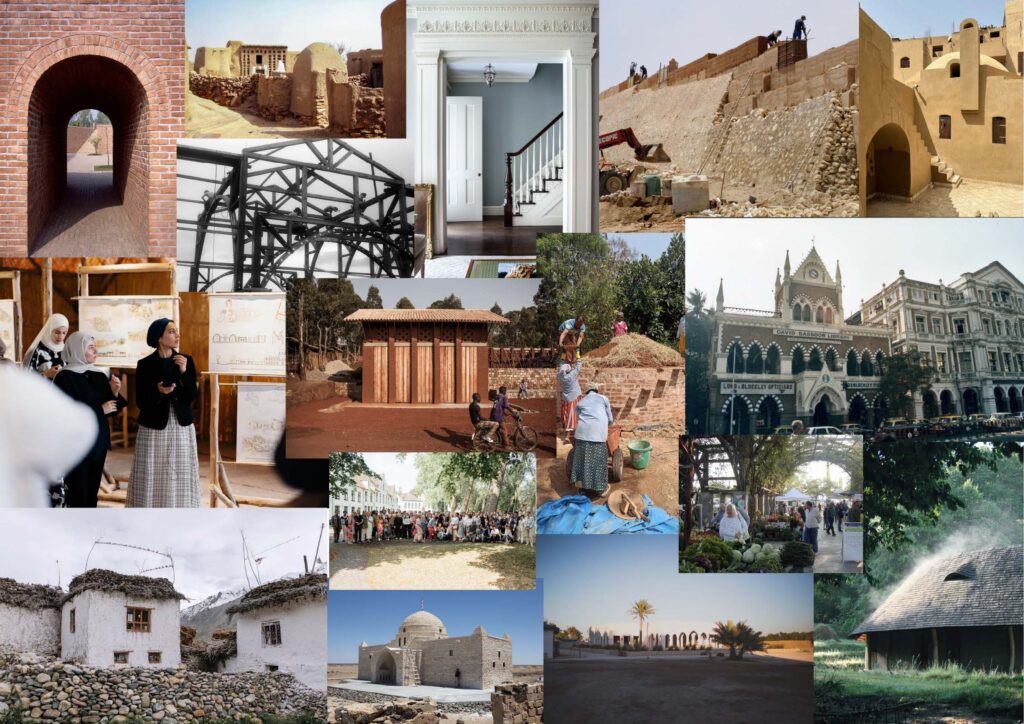
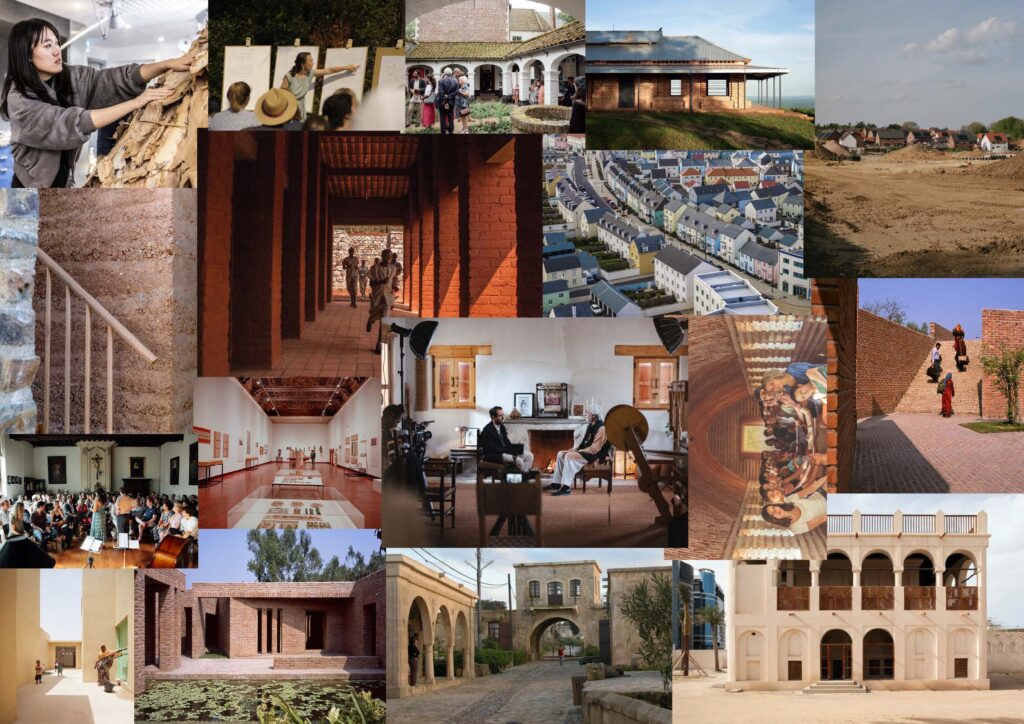
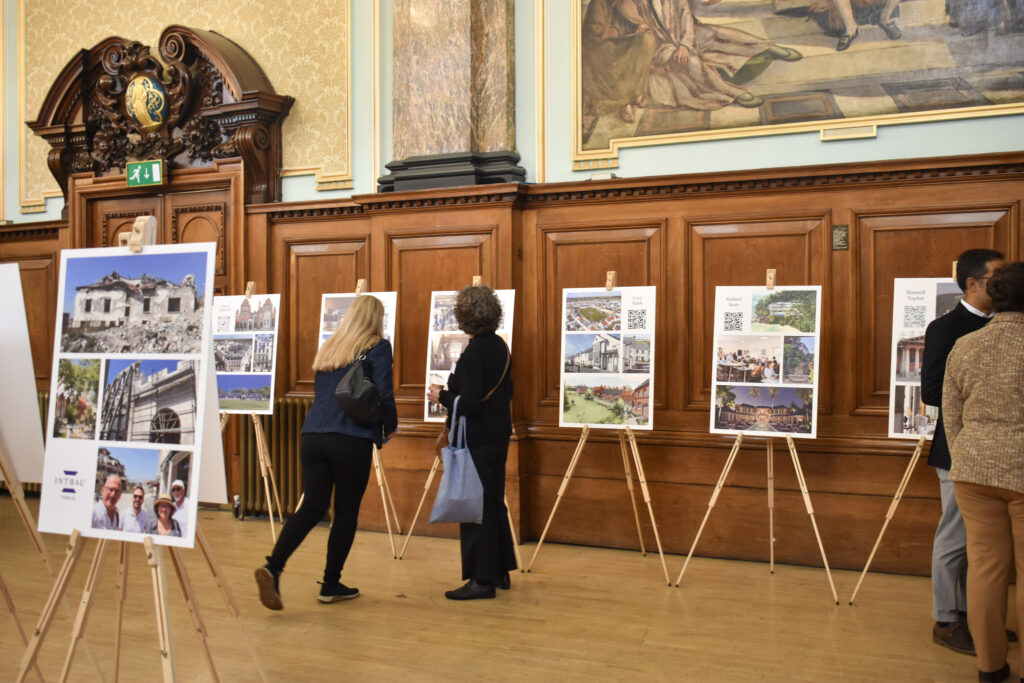
The Congress featured an exhibition of work by INTBAU Chapters and Professional Members, showcasing projects from across the network; you can explore the exhibition HERE.
Keynote speakers
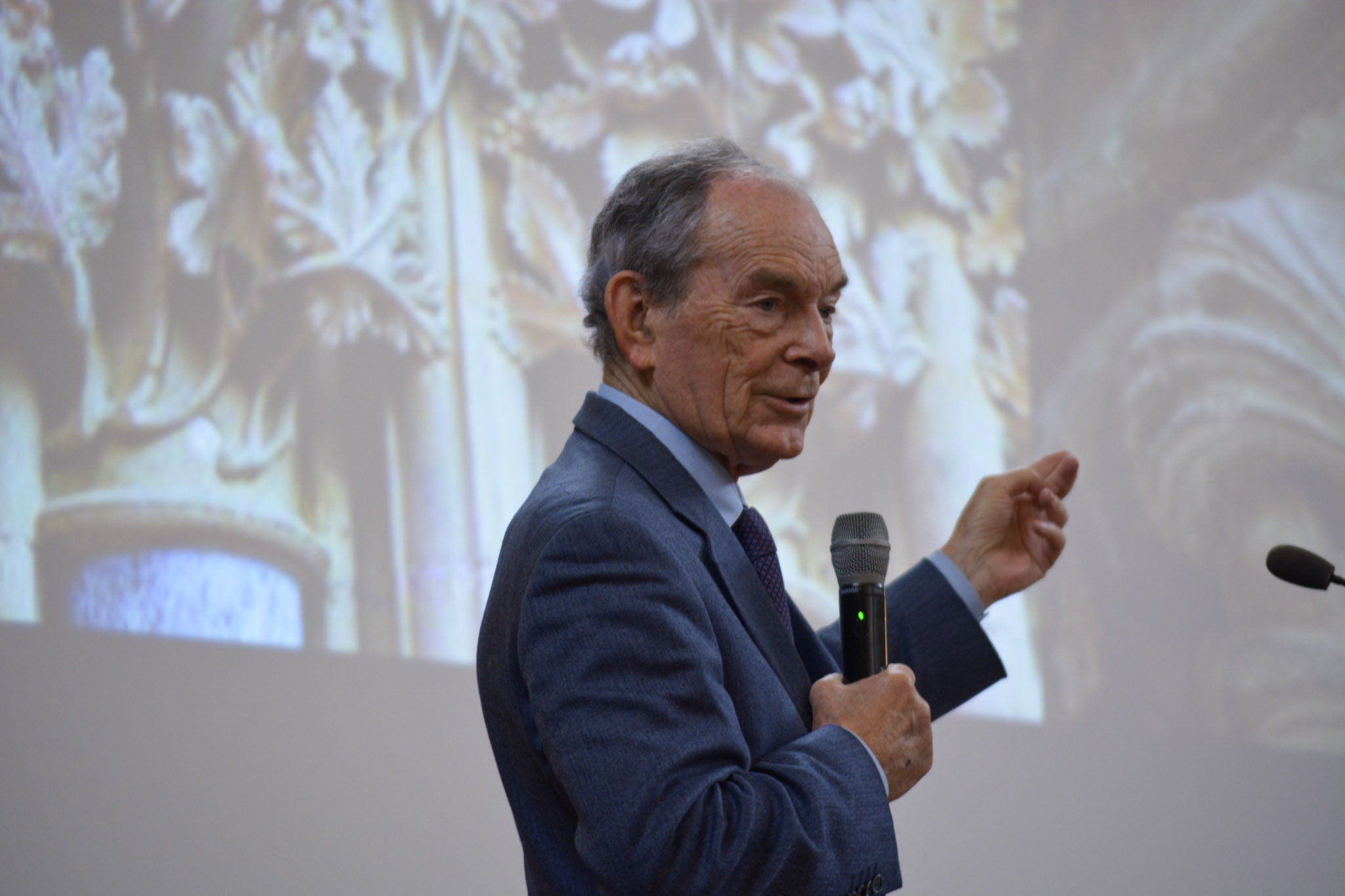
Simon Jenkins
Sir Simon Jenkins delivered a keynote that set a reflective tone for the Congress. One of Britain’s most influential voices on heritage, culture, and the built environment, Jenkins drew on decades of advocacy as former Chair of the National Trust, Deputy Chair of English Heritage, and long-serving commentator on architecture and place.
He spoke to the enduring relevance of traditional architecture in shaping a place’s identity, weaving together themes from his celebrated publications on houses, cathedrals, and railway stations. His address highlighted how human-scale design, local materials, and historic continuity offer essential guidance for cities seeking resilience and liveability today.


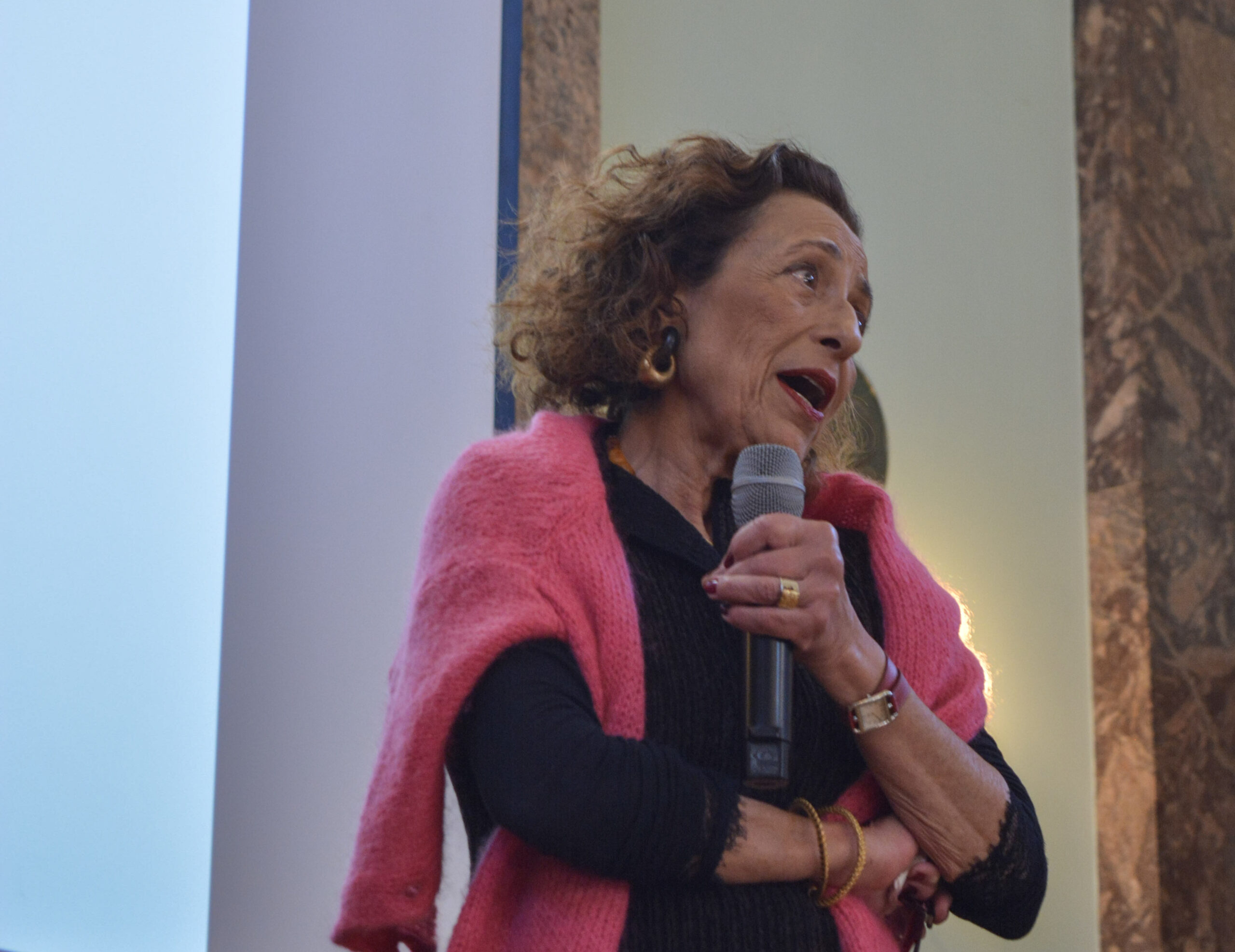
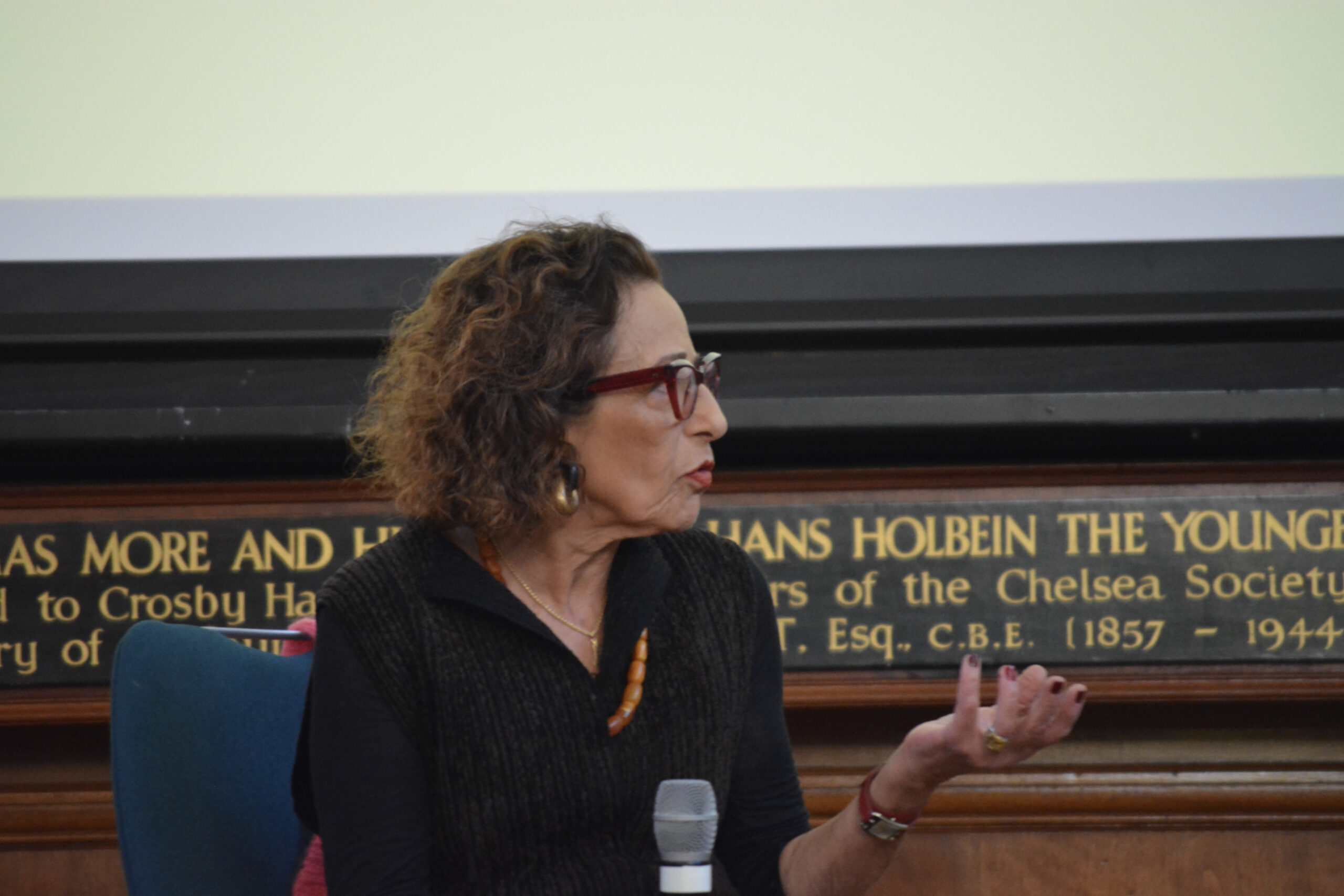
Salma Samar Damluji
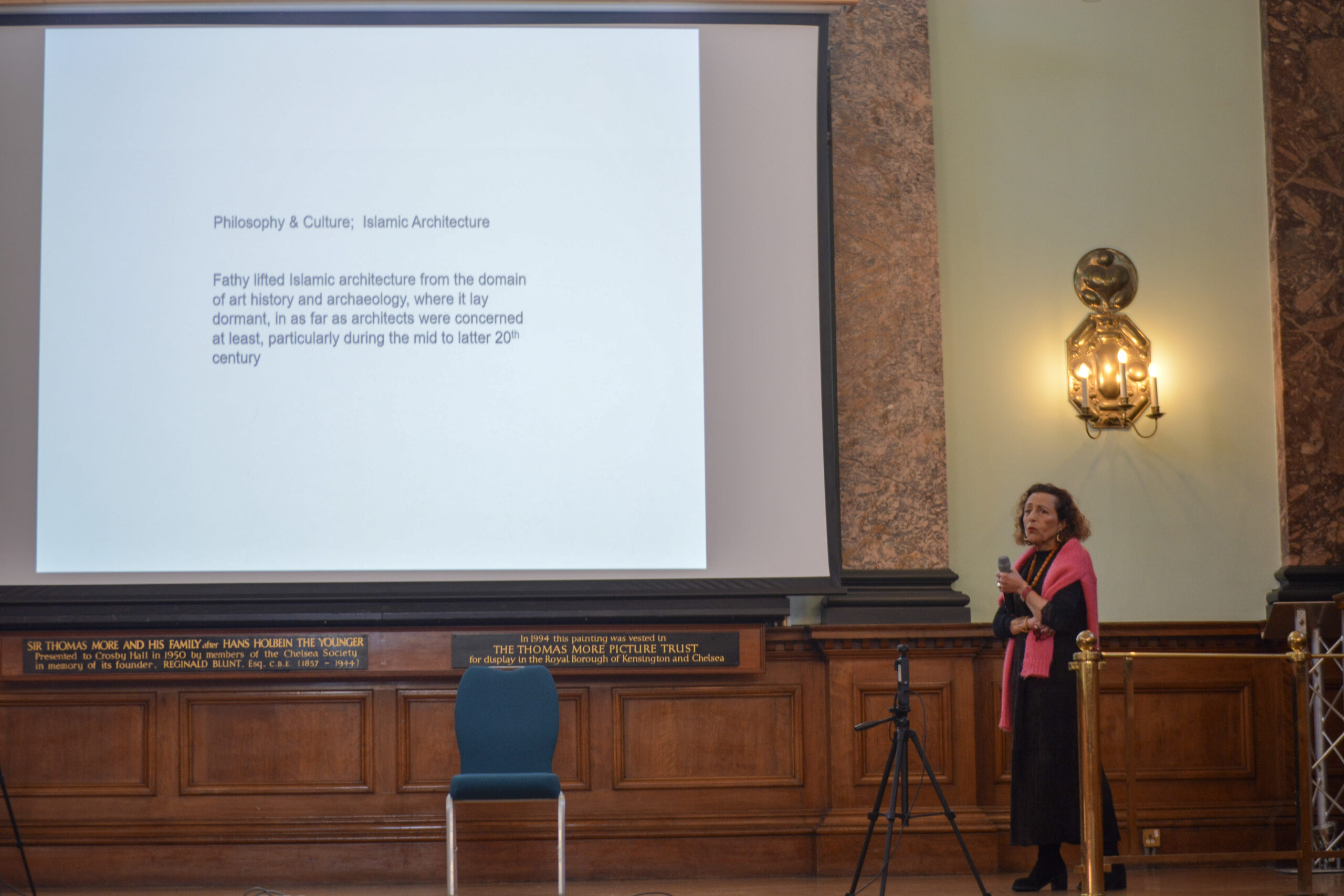
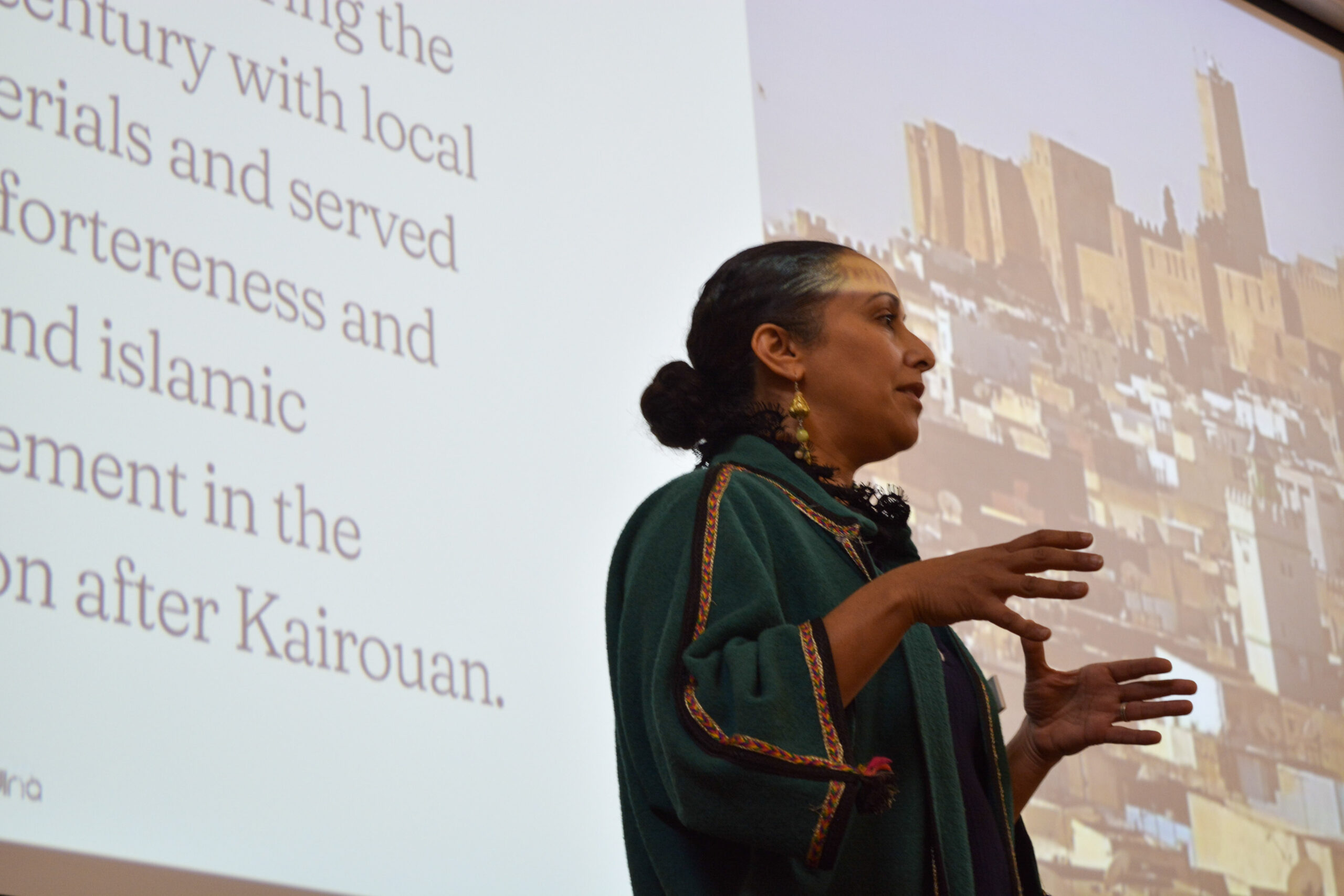
Salma Samar Damluji brought a powerful global perspective to the Congress, drawing on decades of practice at the intersection of vernacular architecture, community resilience, and post-conflict reconstruction. A British-Iraqi architect trained at the AA and the Royal College of Art, Damluji’s career spans collaborations with Hassan Fathy, the founding of the Daw‘an Architecture Foundation in Yemen, and the creation of the Earth Architecture Lab, which extends her work on earth-based construction, training, and research worldwide.
Her keynote traced the continuity of earth architecture from historical precedent to contemporary necessity, showing how locally rooted materials and techniques can strengthen cultural identity, restore dignity, and support ecological stewardship. Through vivid examples from Hadramut — from mudbrick palaces to the reconstruction of domes and traditional interiors — she illustrated how architecture becomes a vehicle for healing communities, protecting heritage, and adapting to climate realities without erasing local knowledge.

Panel discussions
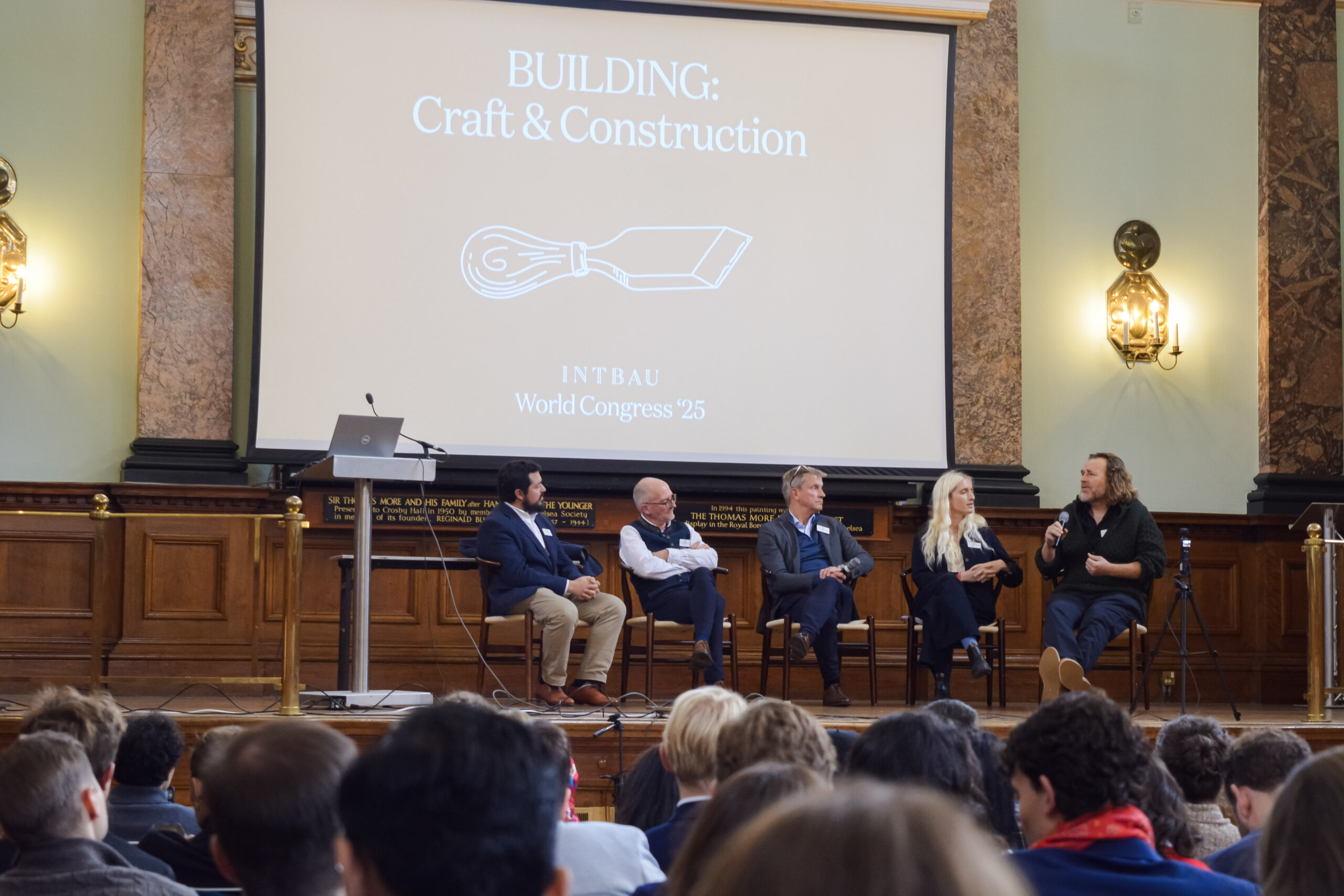
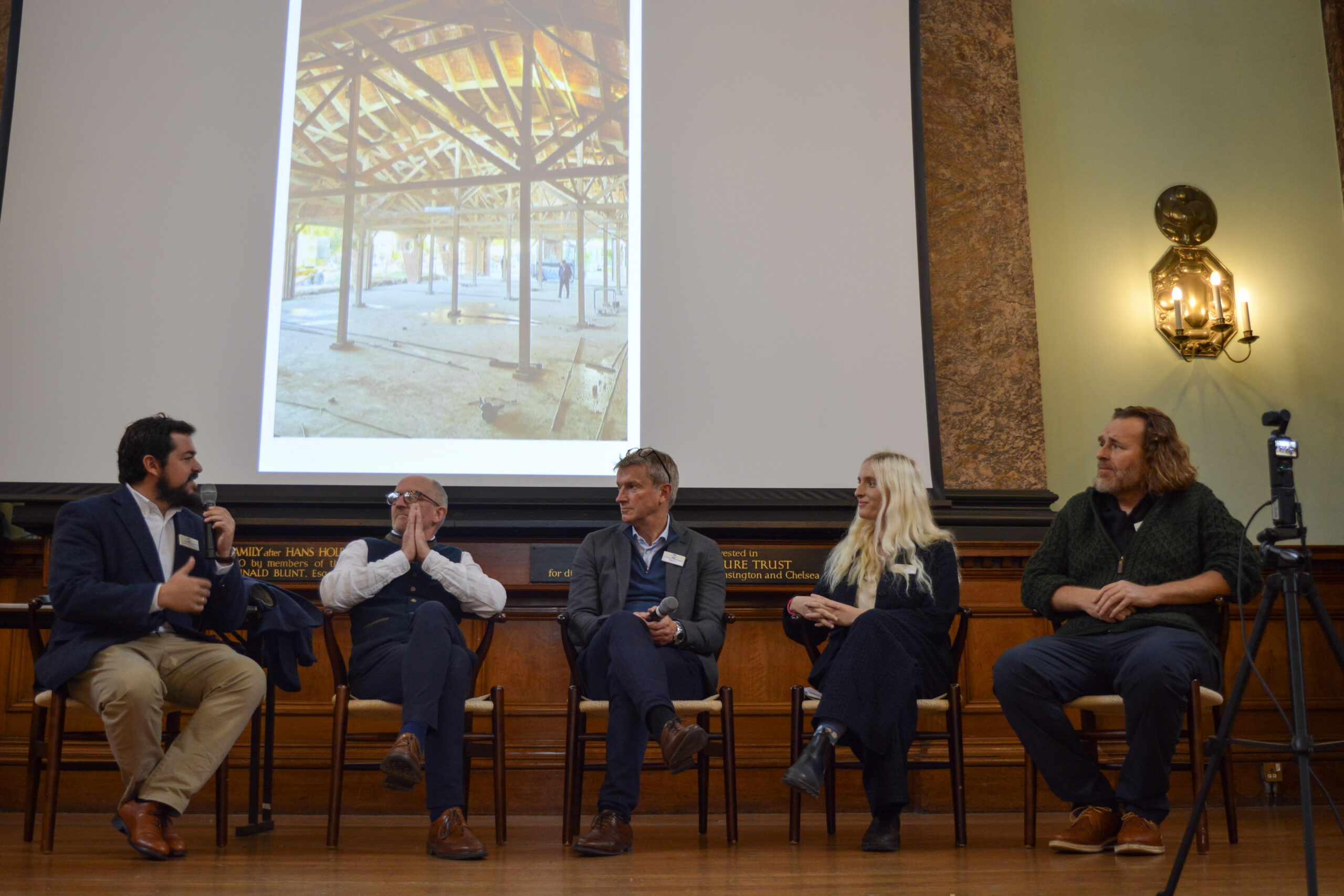
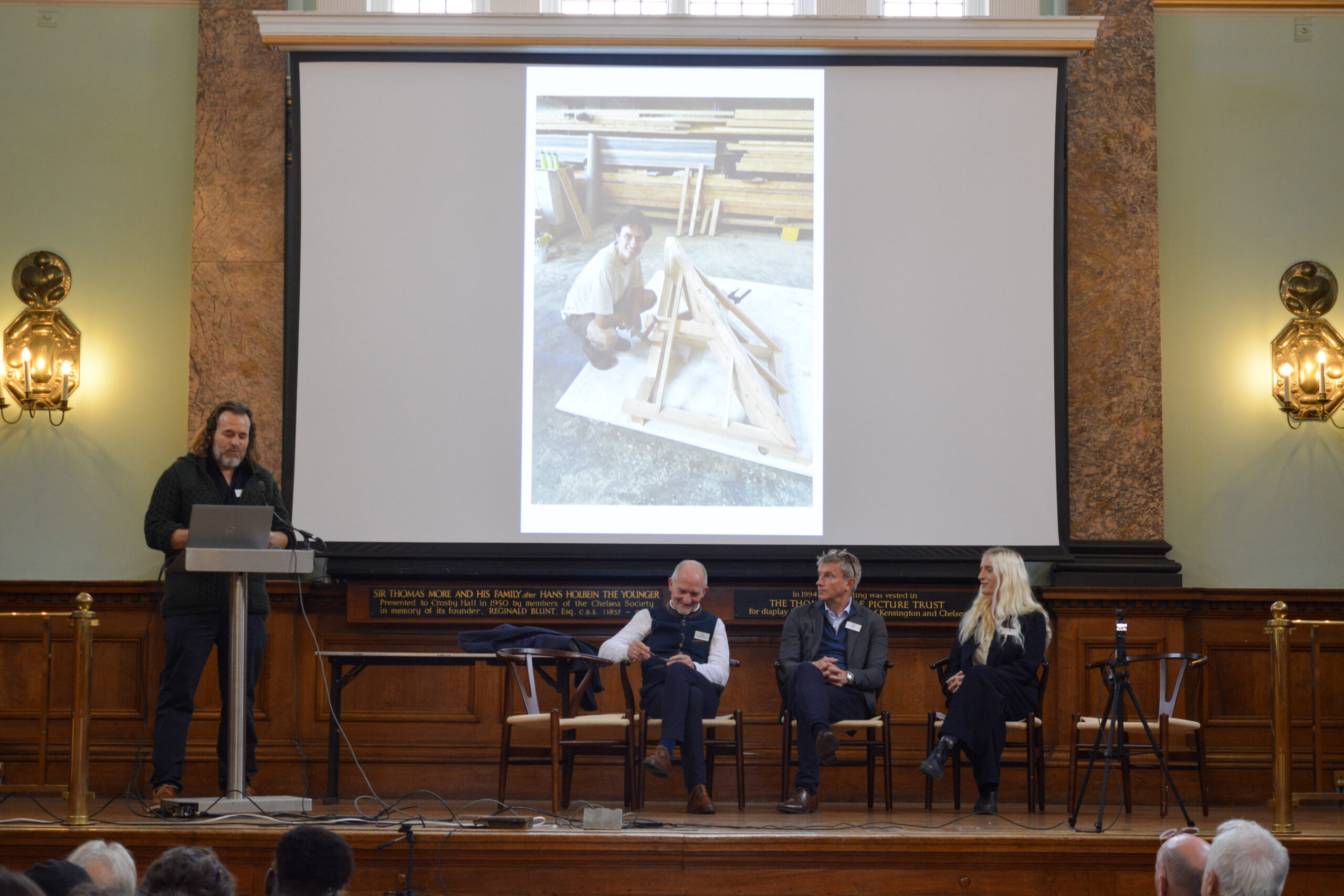
BUILDING: Craft & Construction
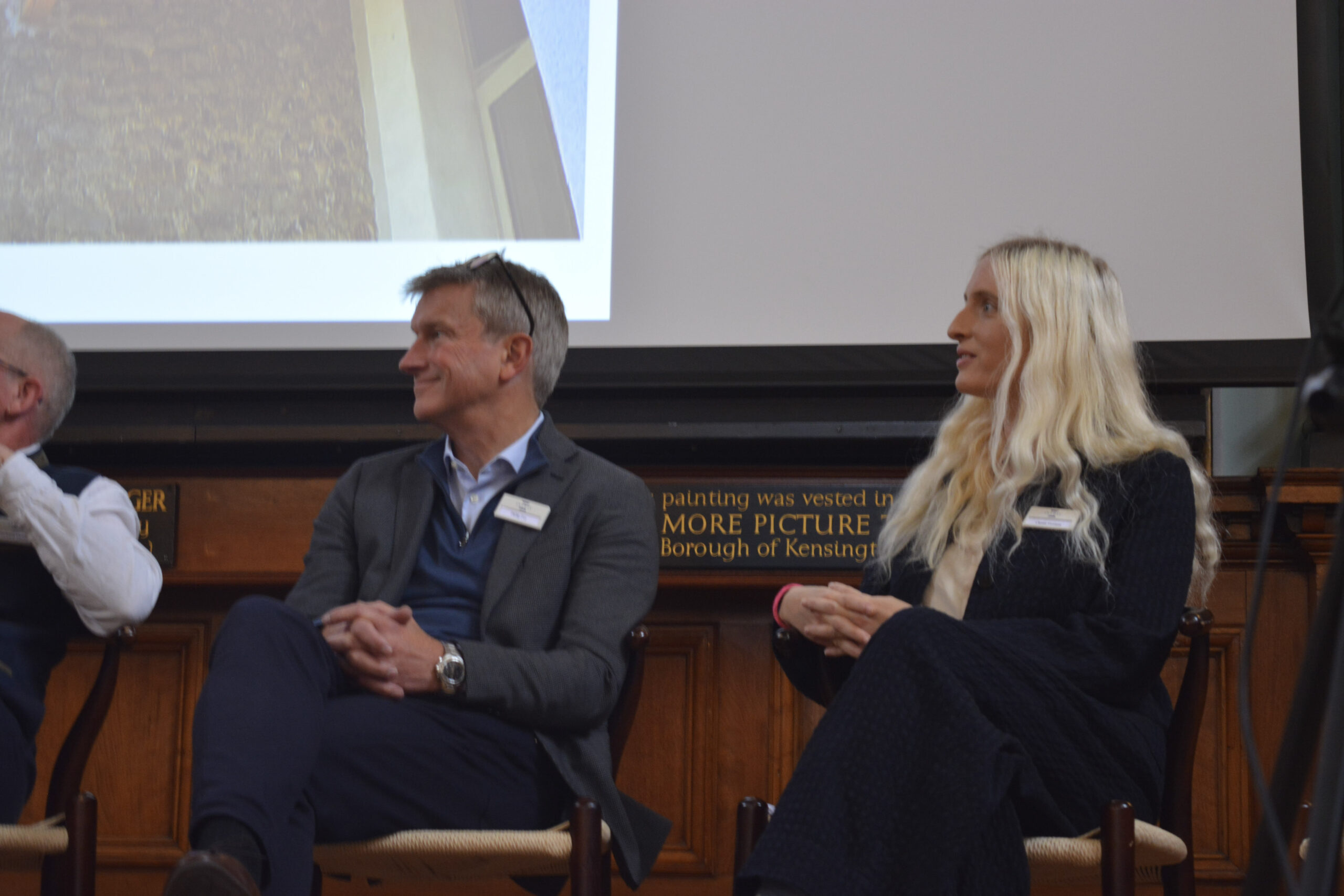
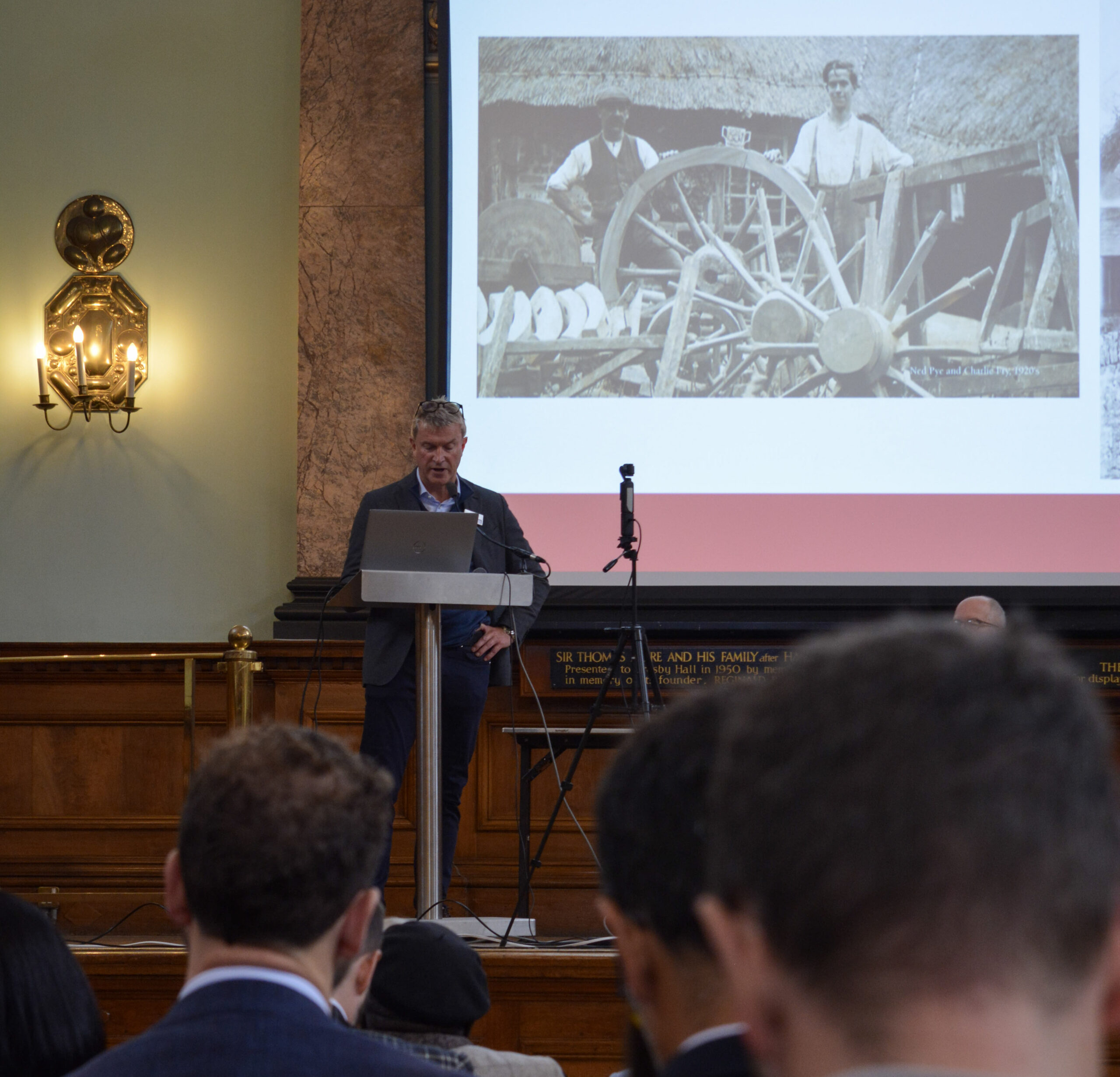
Four practitioners at the forefront of traditional building crafts led a richly textured discussion on the art and pragmatics of construction. Master carver Clunie Fretton, heritage builder Philip Fry (CG Fry & Son), master framer Max Rutgers, and stone carver Richard Thomas shared the techniques, philosophies, and on-site realities that define their work across the UK and Europe. Moderator Alejandro García Hermida steered a conversation that moved seamlessly from fine detail to large-scale delivery, underscoring the enduring relevance of craft in contemporary building.
ARCHITECTURE: Design & Practice
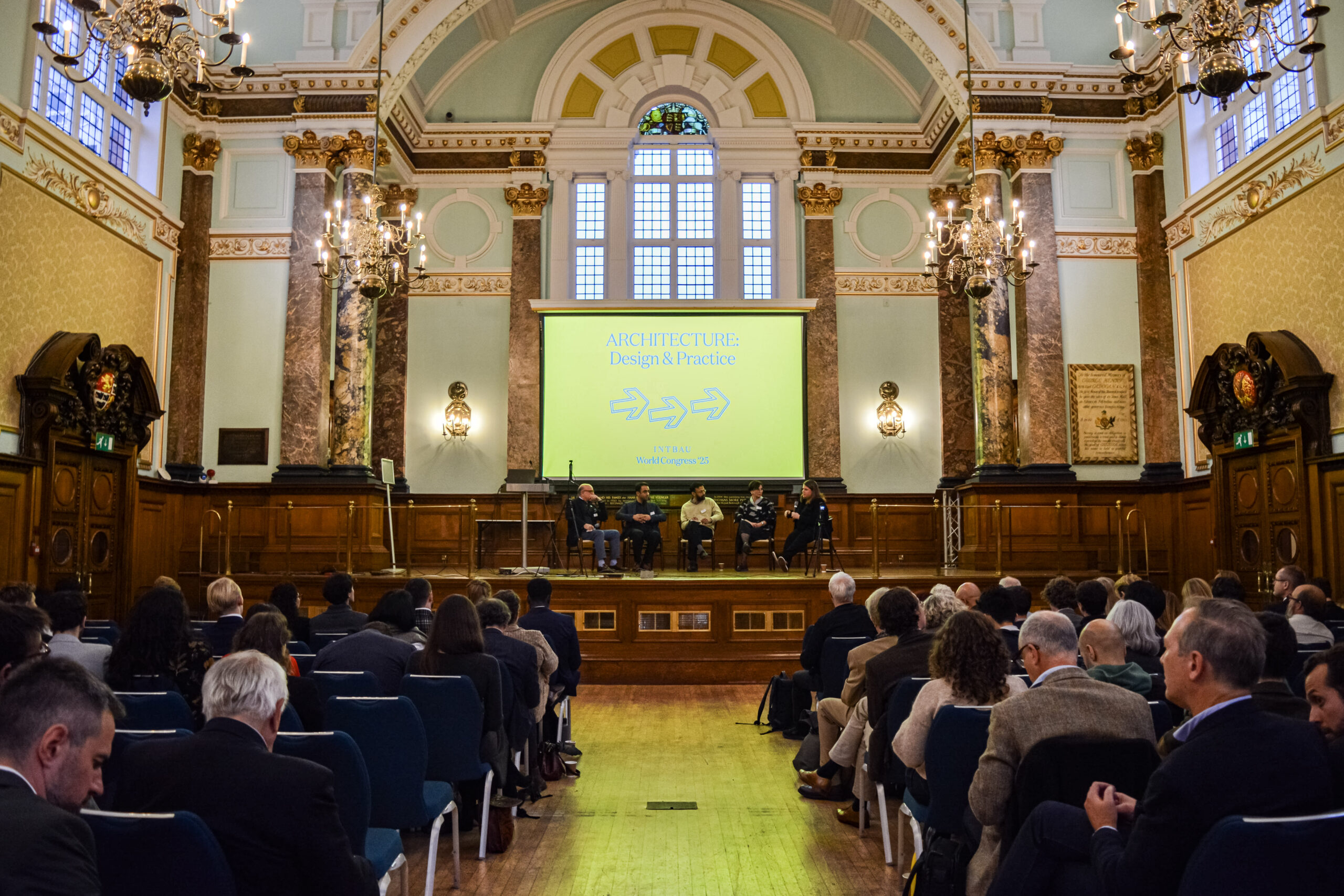
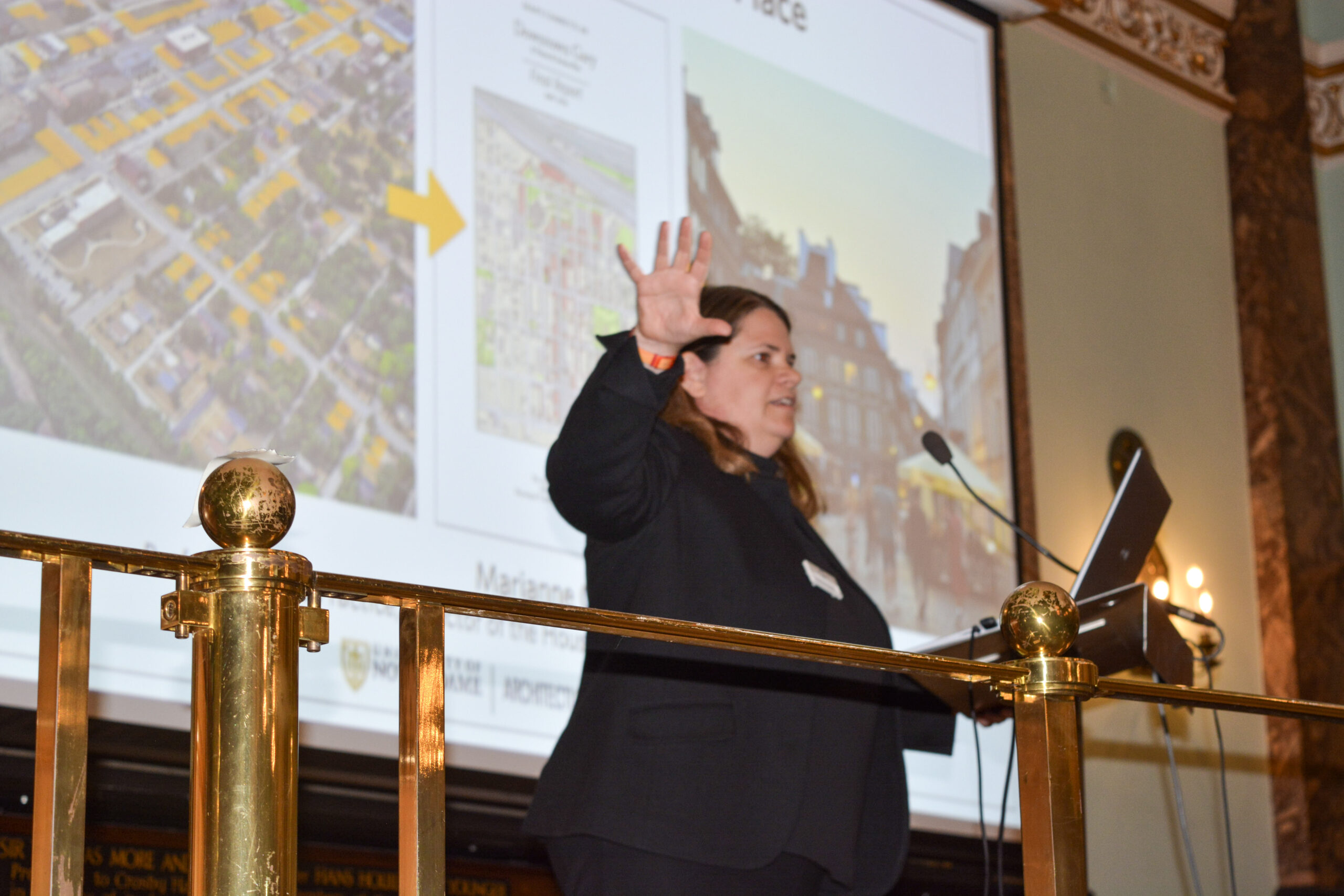
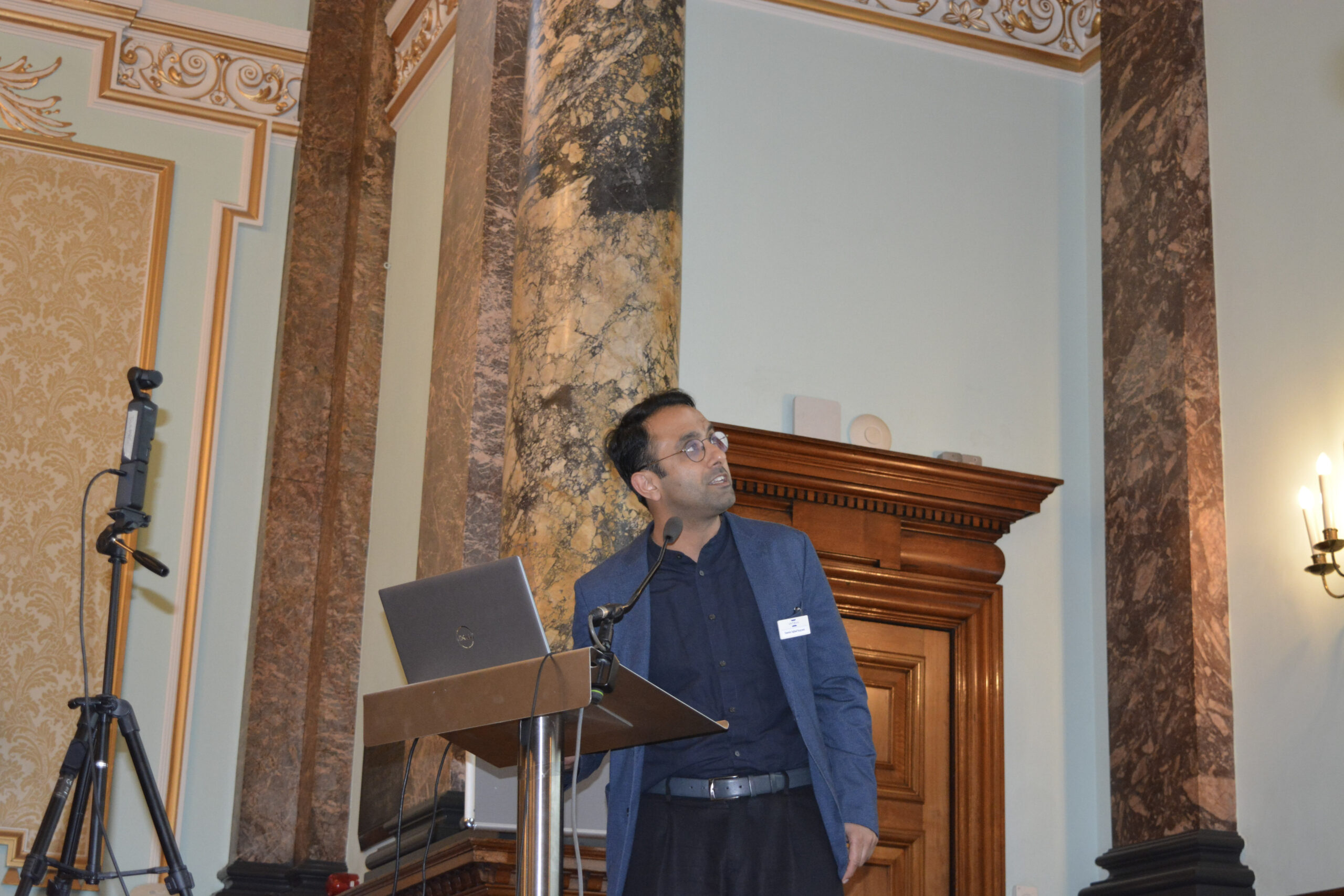
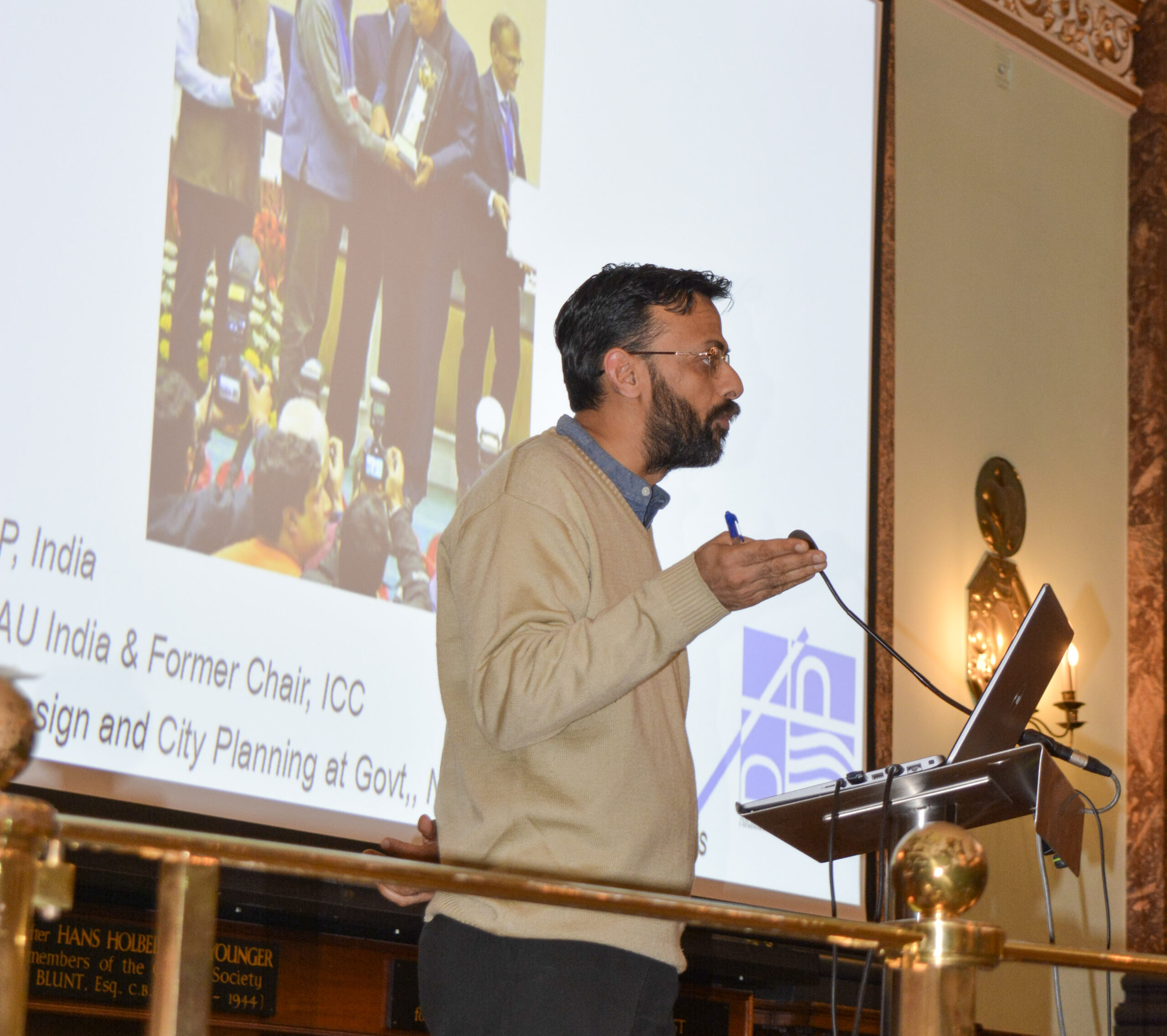
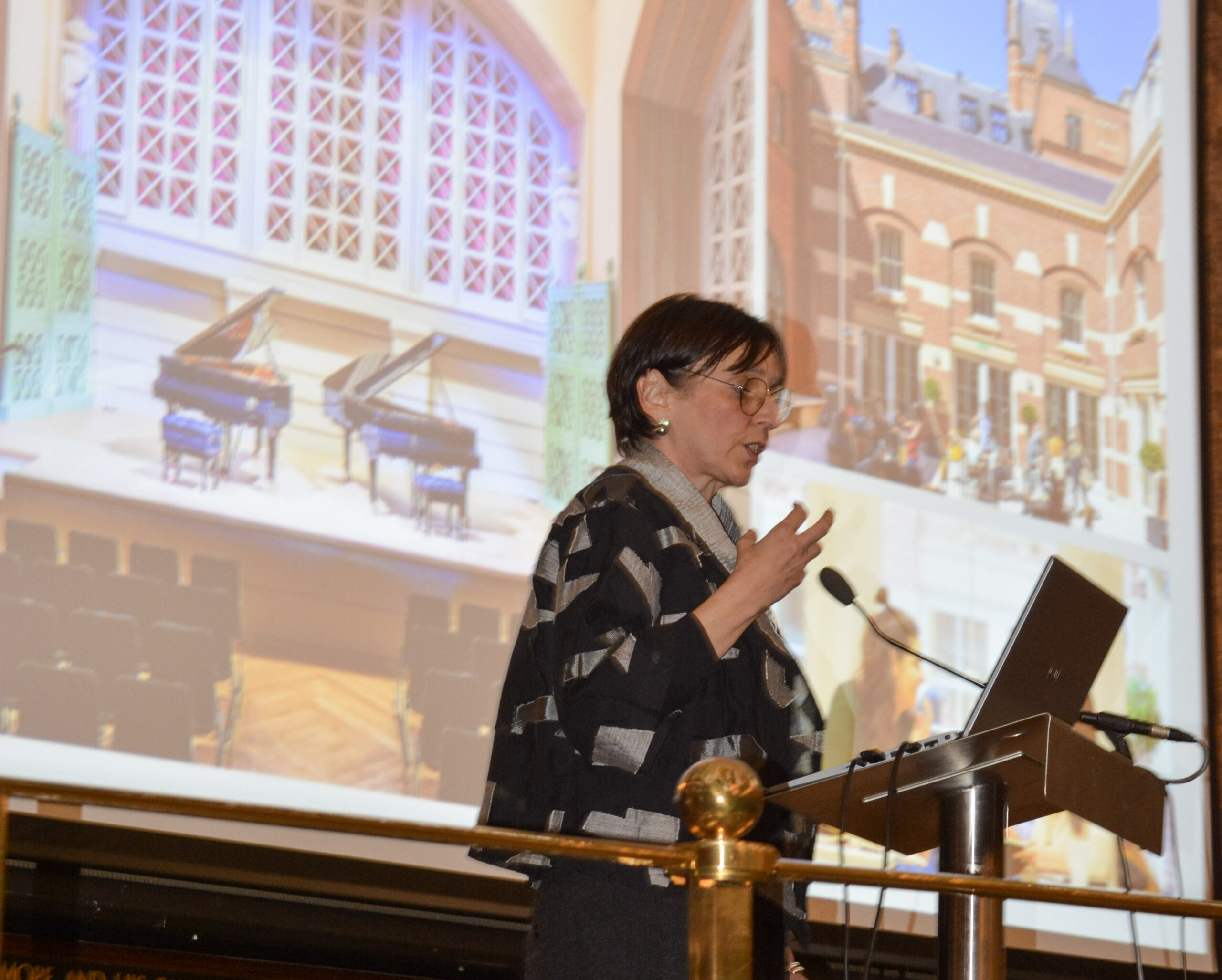
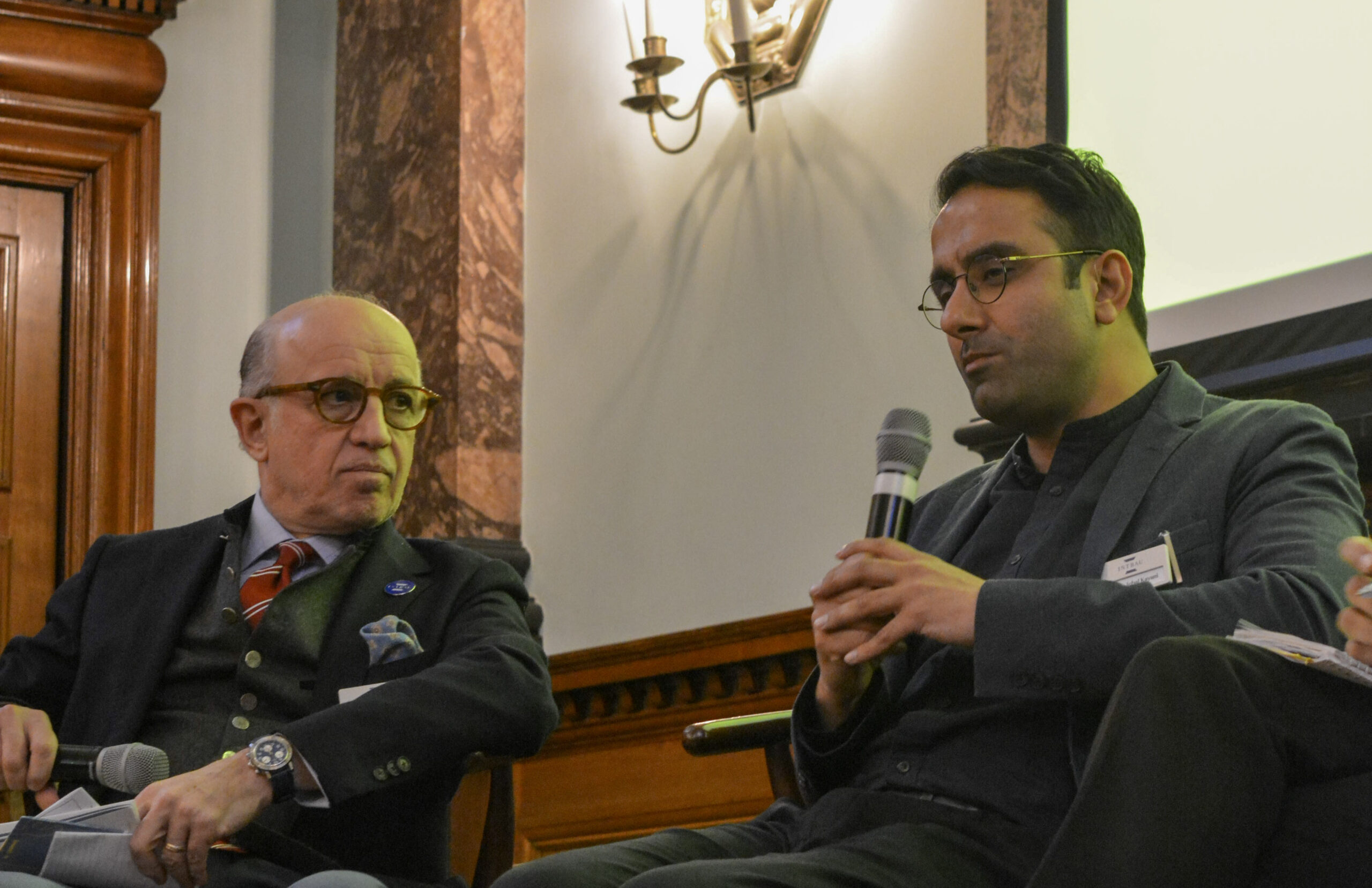
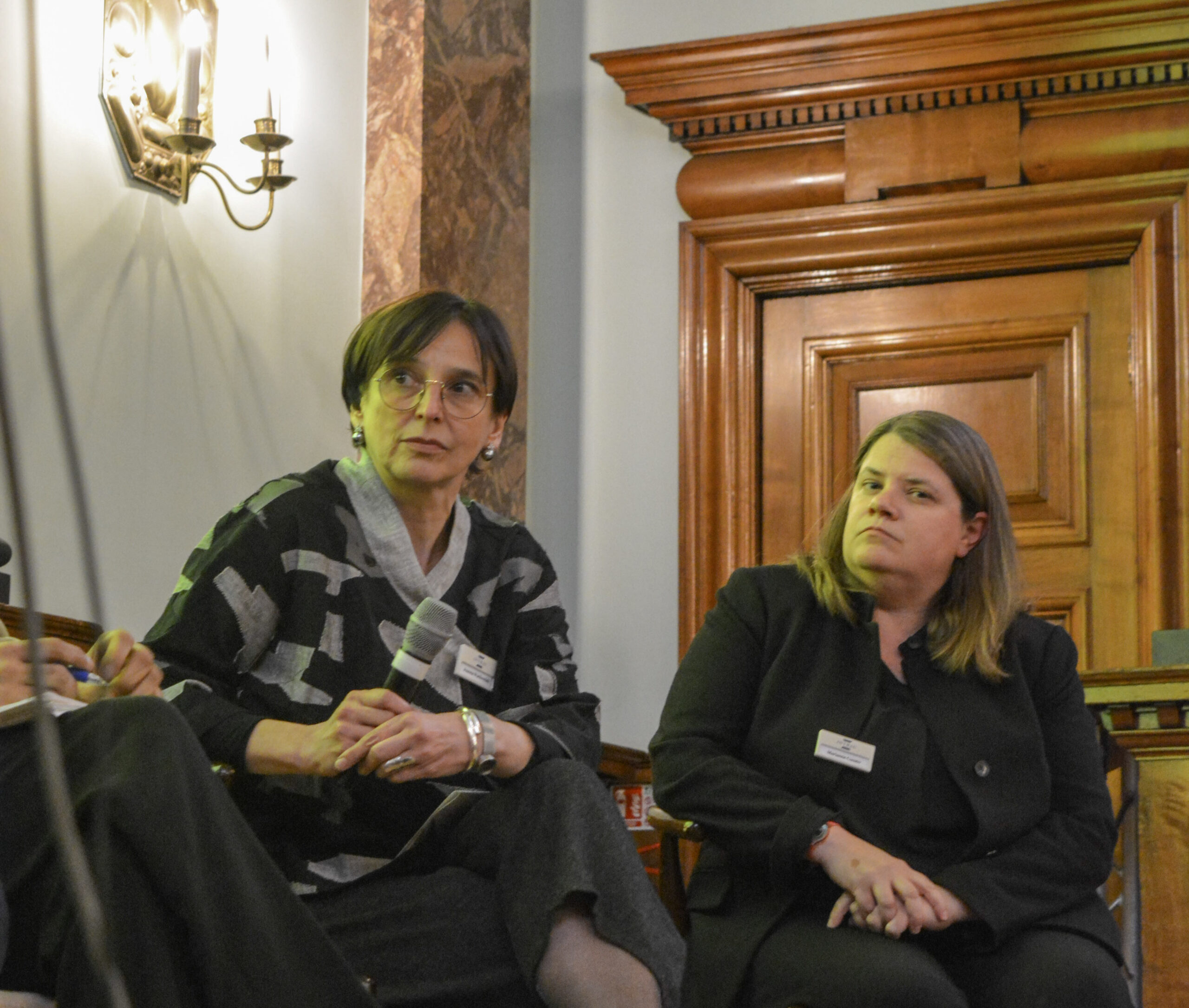
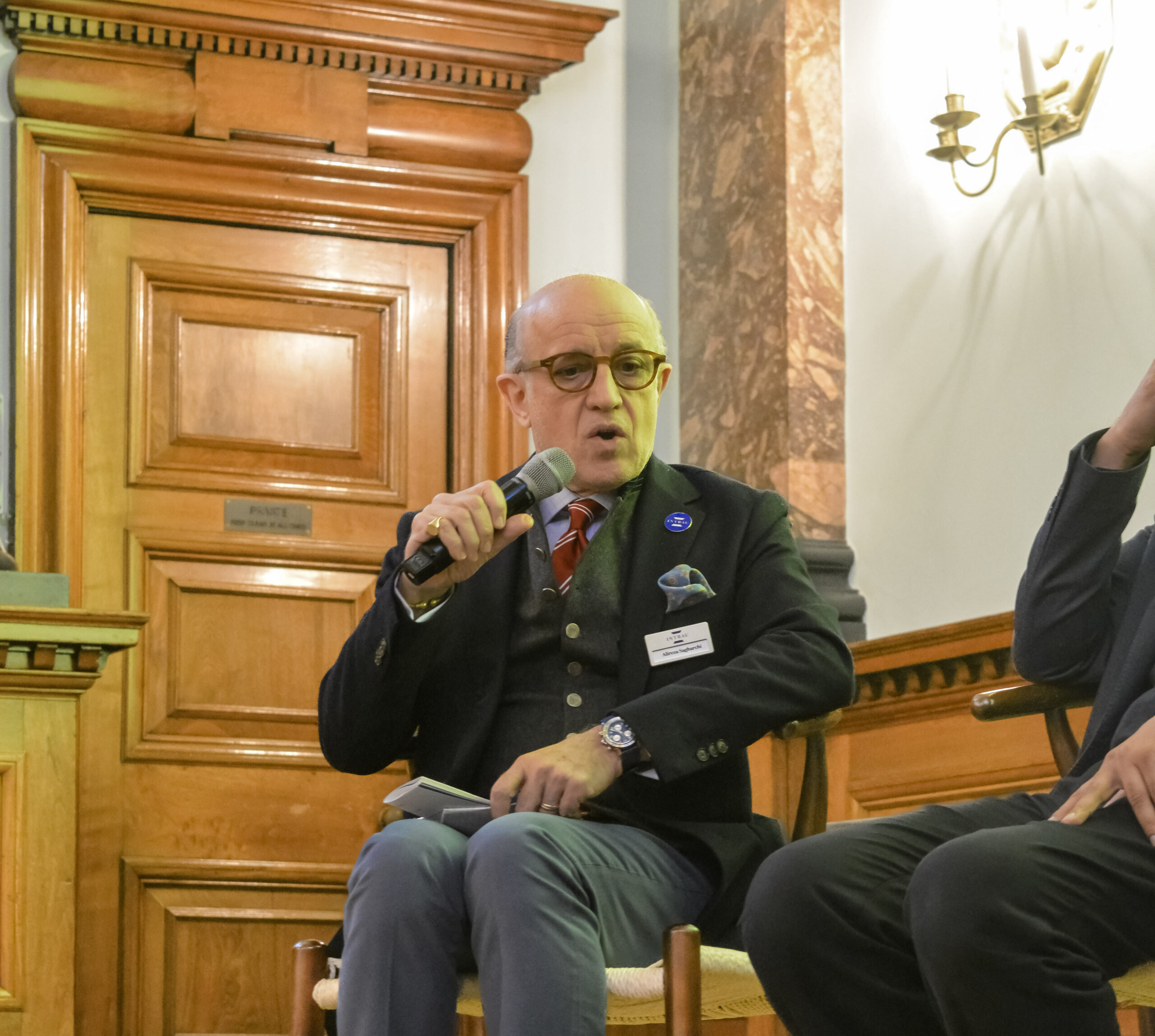
The Architecture: Design & Practice panel discussion brought together four architects whose work spans disaster recovery, heritage conservation, housing, and sustainable regional design. Marianne Cusato (Notre Dame; disaster recovery and regeneration), Sami Kayani (Earthna; heritage of Makkah), Deependra Prashad (INTBAU Delhi; net-zero and humane design), and Joanna Wachowiak (John Simpson Architects; major cultural and educational projects) compared how their varied contexts shape the realities of making traditional designs buildable today. Moderated by INTBAU Chair of the Board Alireza Sagharchi, the discussion highlighted how context shapes practice while revealing shared commitments to resilience, identity, and community.
URBANISM: Place-making & Place-mending
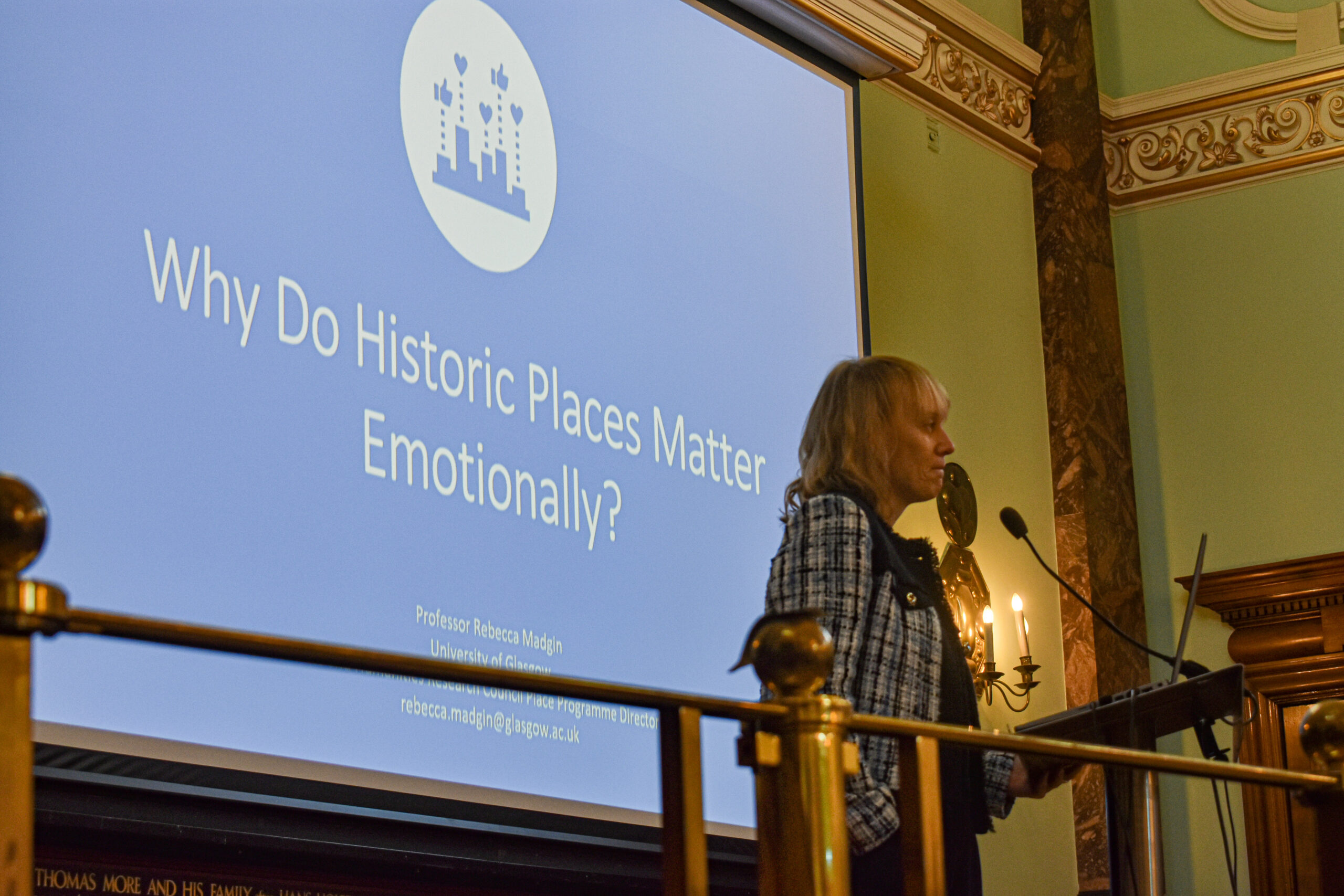
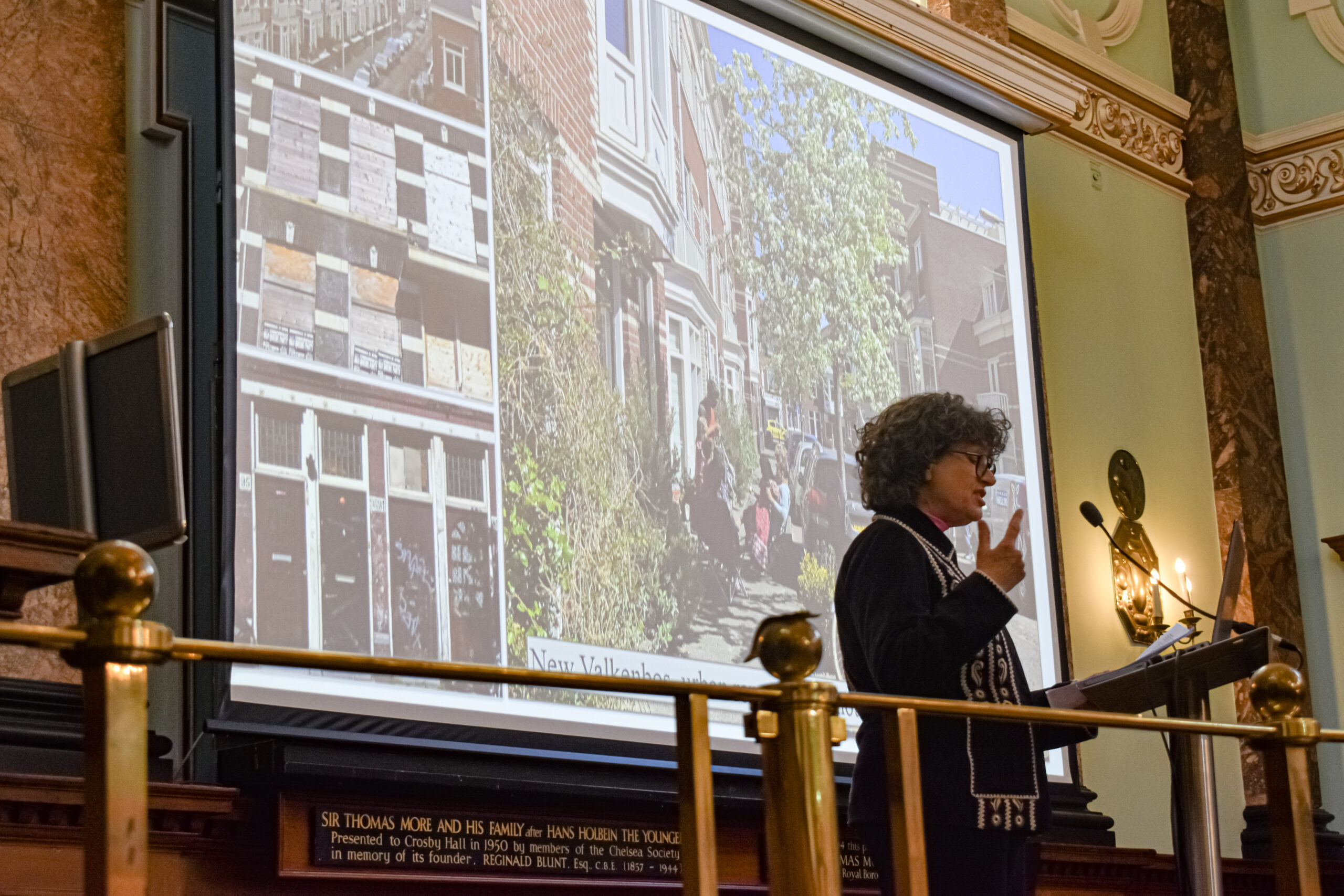
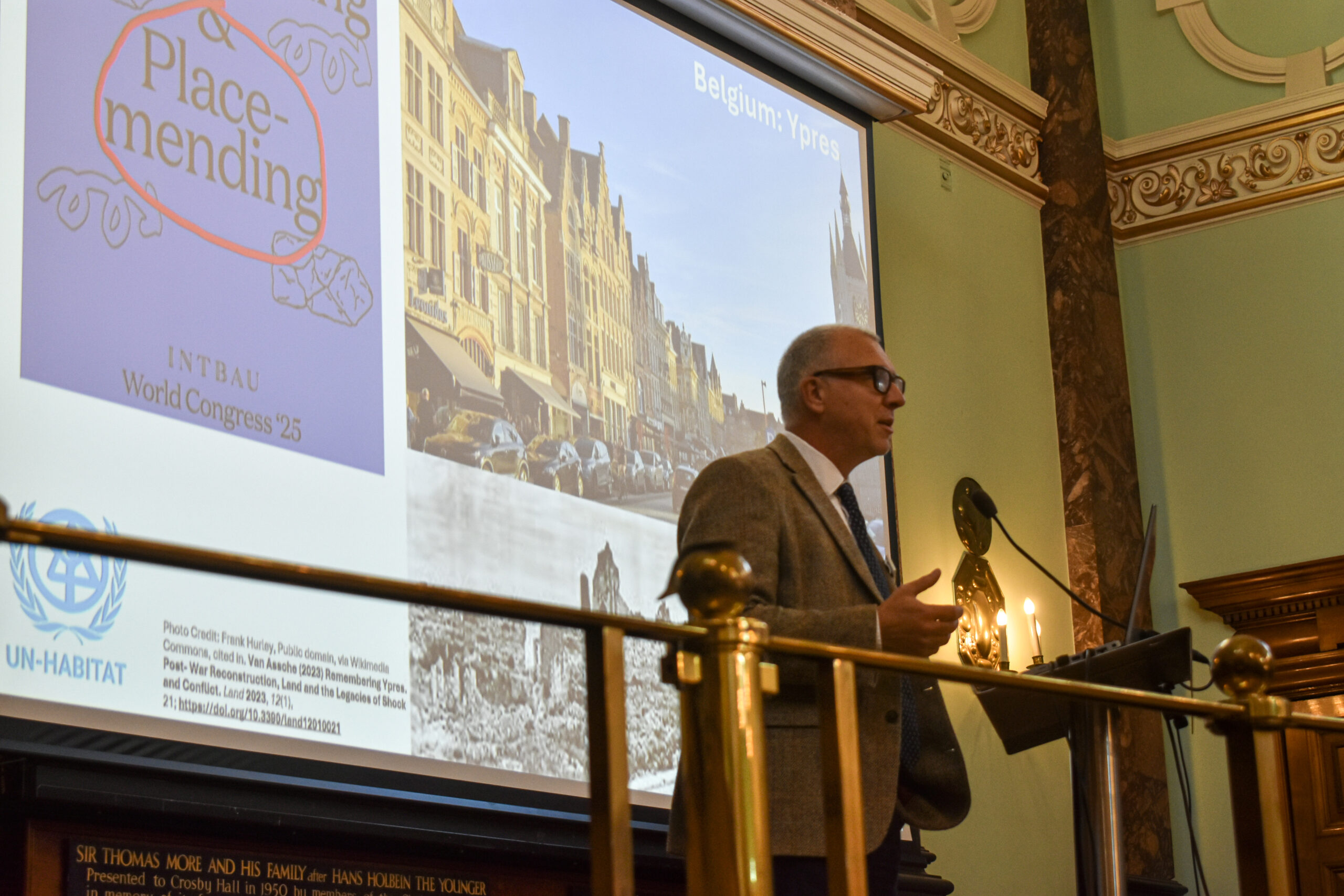
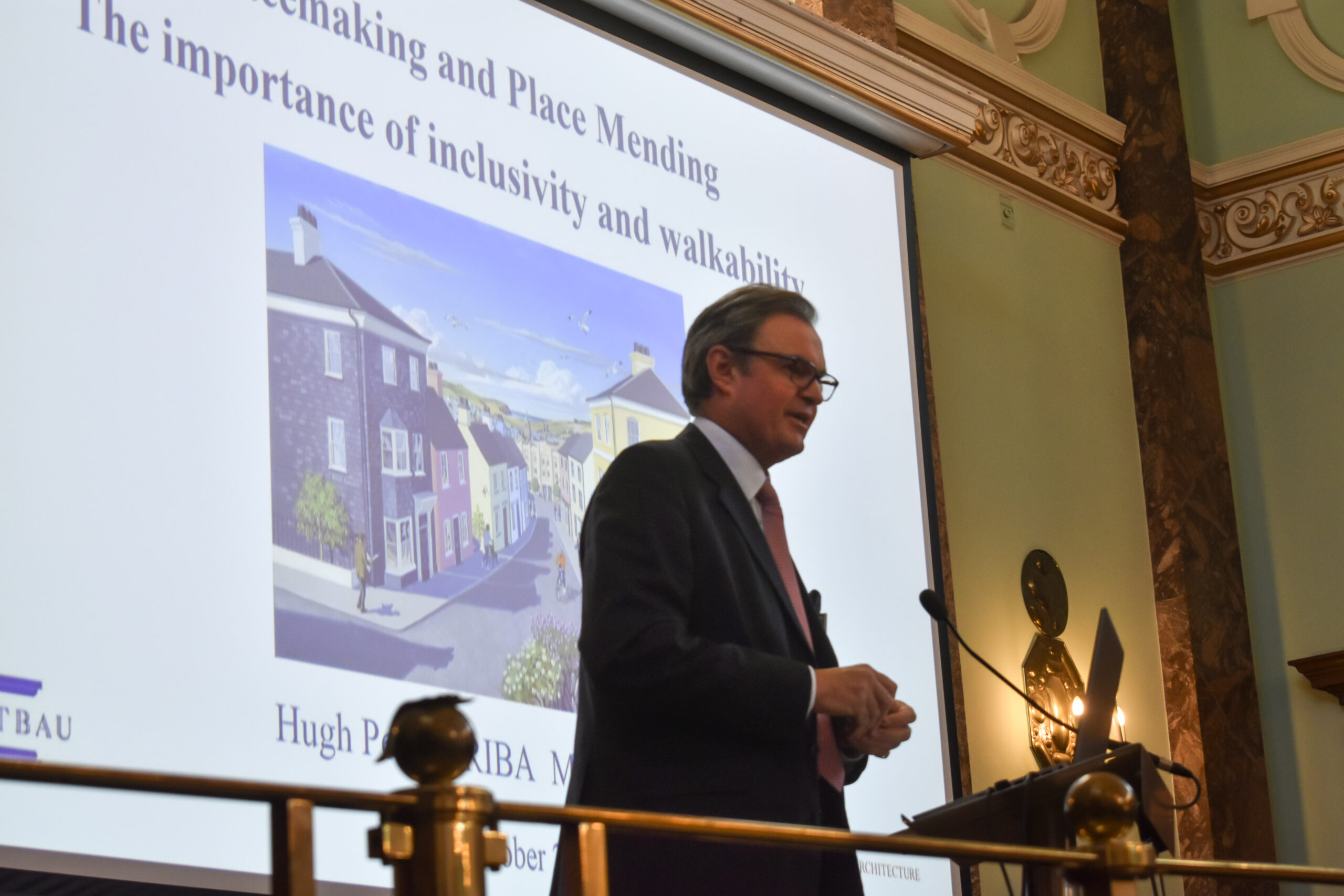
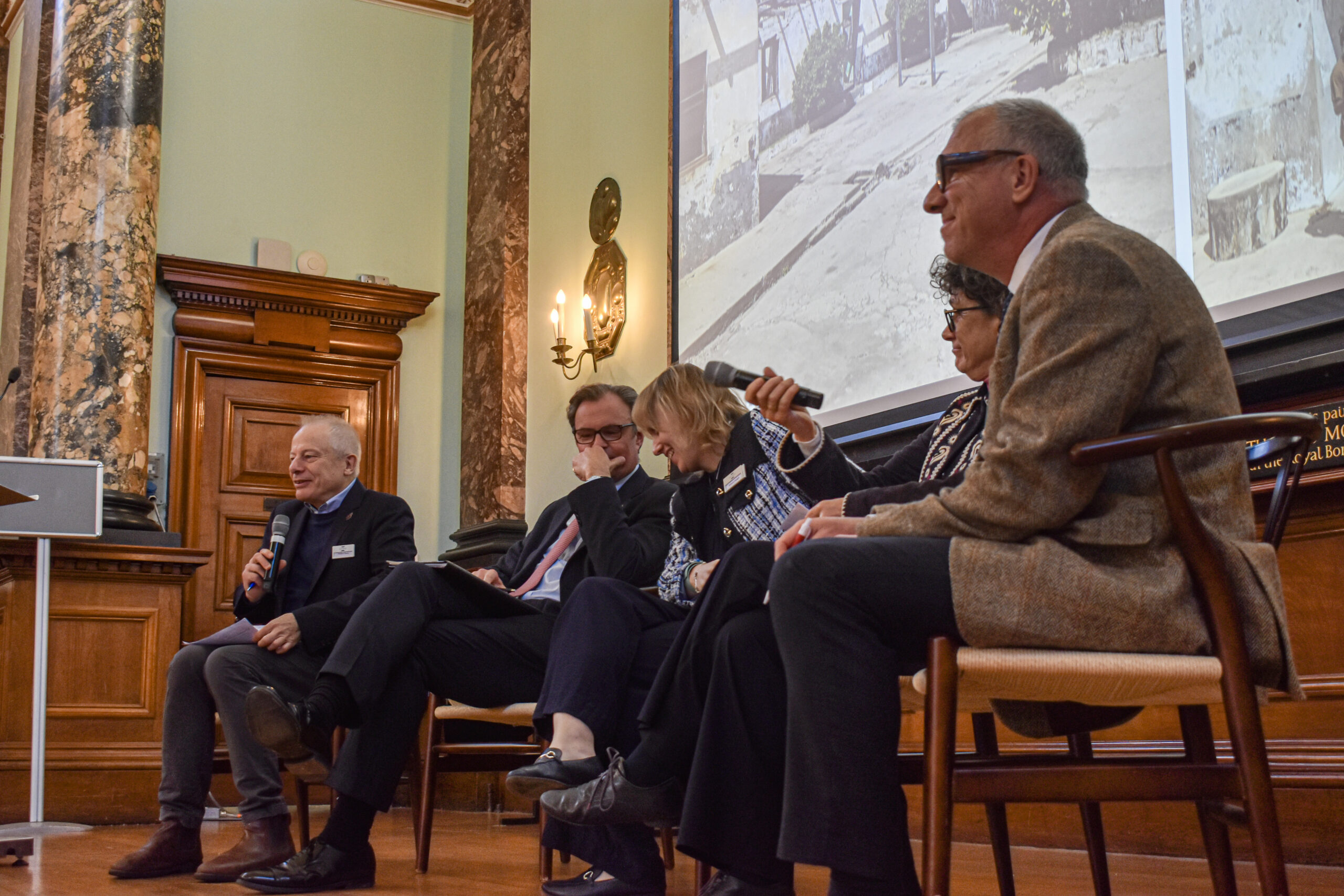
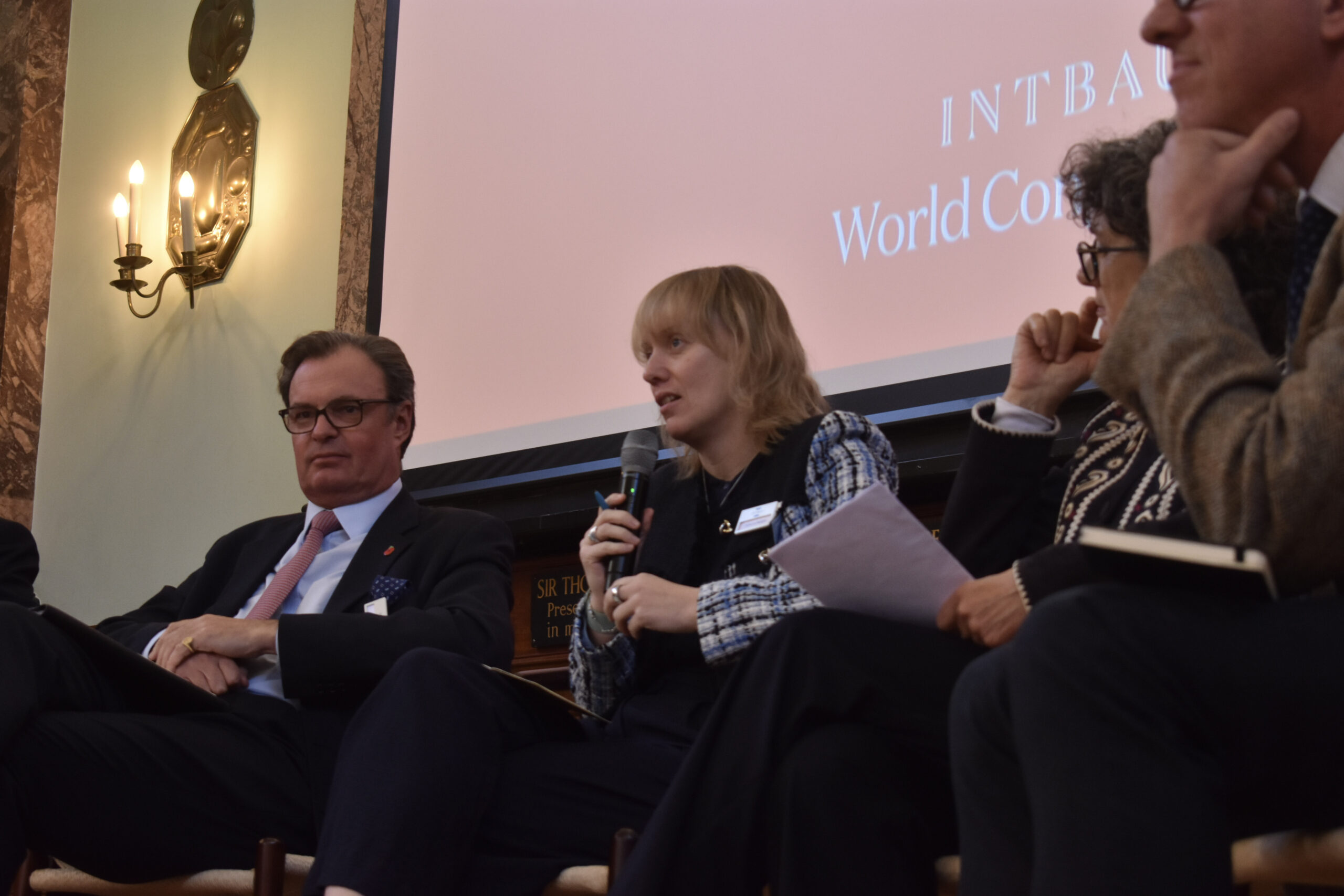
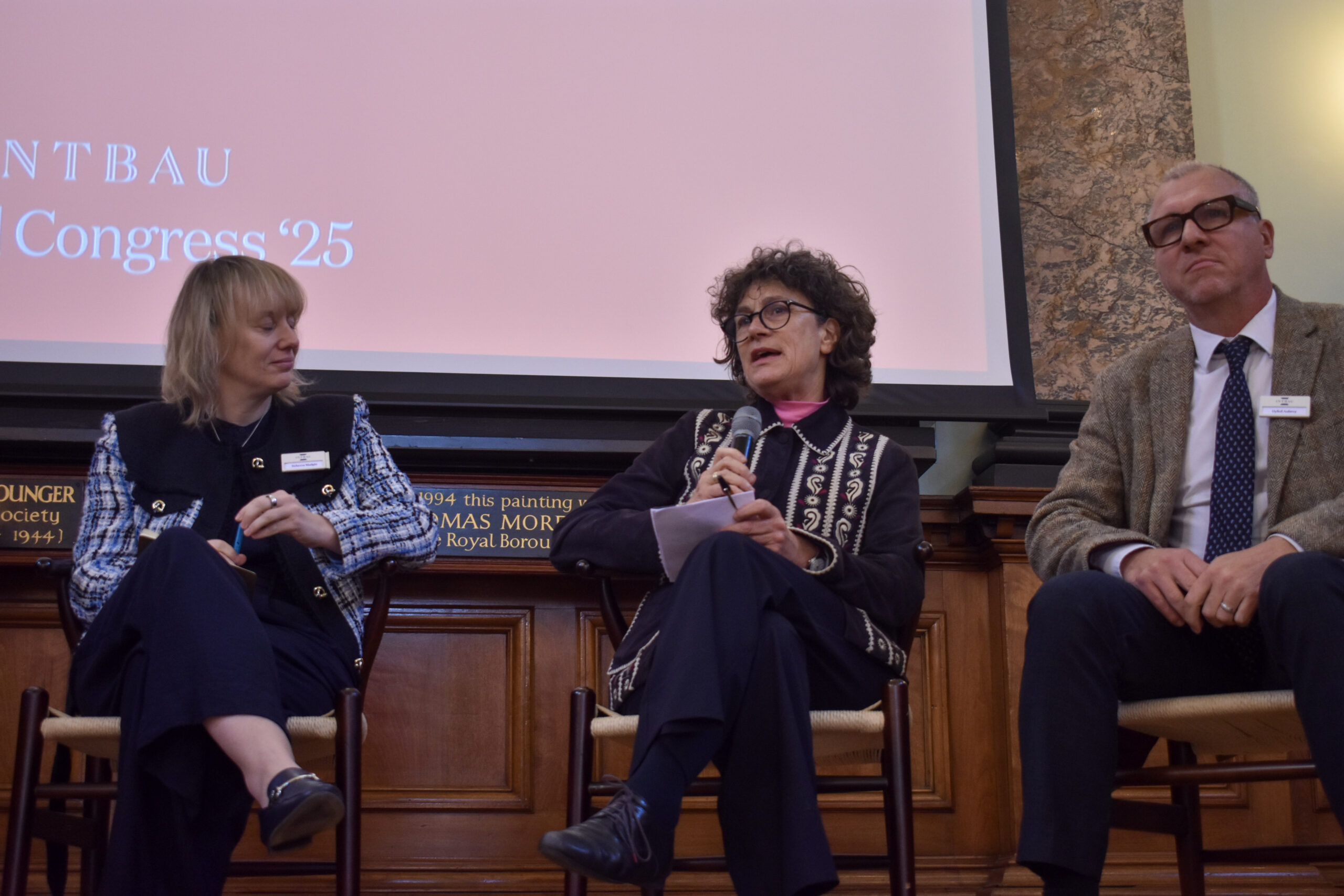
The Urbanism: Place-making & Place-mending panel convened urbanists and designers working across historic centres, post-disaster recovery, and large-scale new communities. Dyfed Aubrey (UN-Habitat), Mieke Bosse (Scala Architects), Professor Rebecca Madgin (University of Glasgow), and architect-urbanist Hugh Petter (ADAM Architecture) explored how places can be shaped and repaired in ways that honour local identity while meeting contemporary needs. Dr Matthew Hardy of The King’s Foundation moderated, drawing out the shared principles that connect global crisis recovery, vernacular housing, emotional value, and community-making. Speakers also examined how traditional building and urbanism can guide cities as they regenerate, adapt, and plan for long-term wellbeing.

Tradition in Modern Society
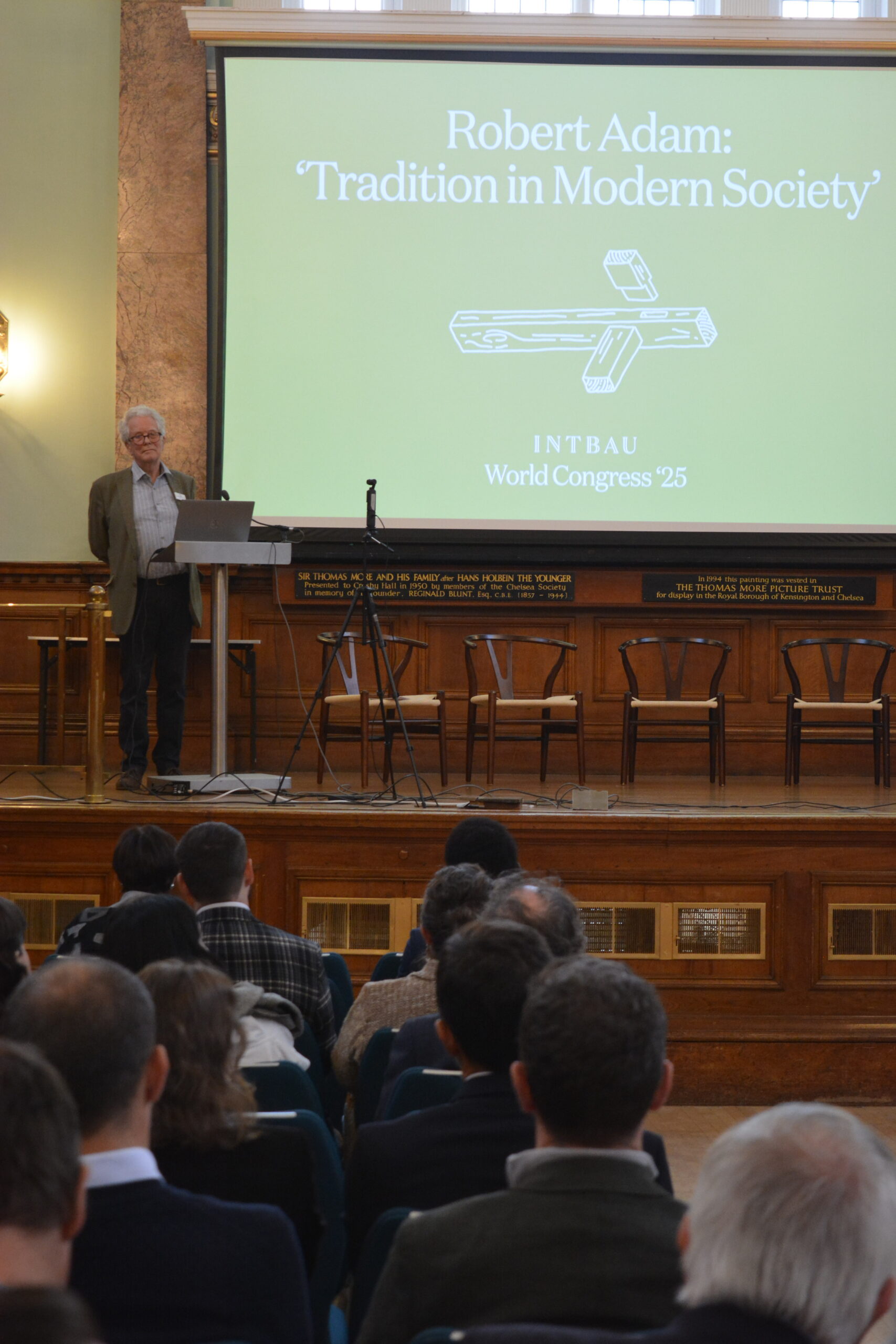
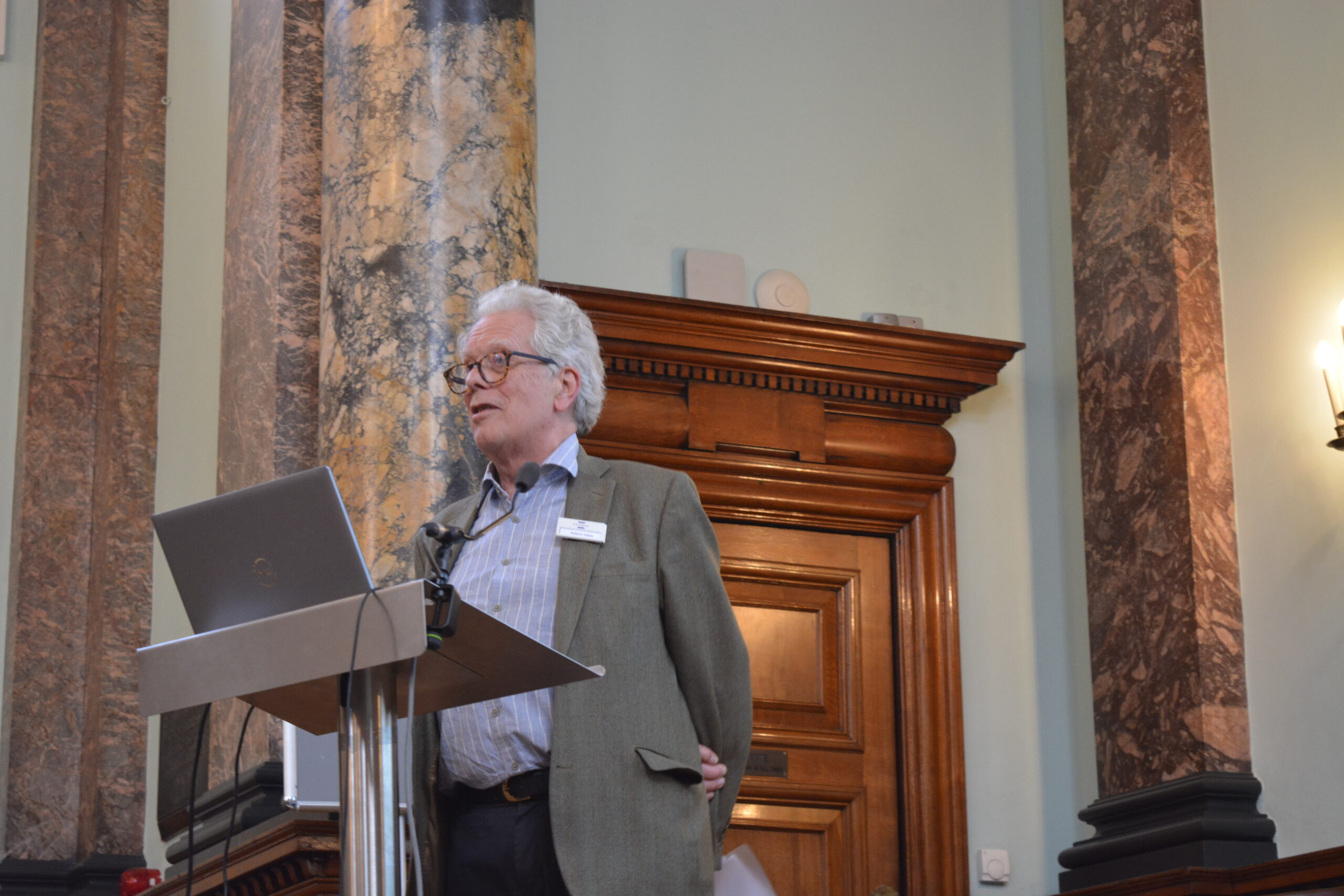
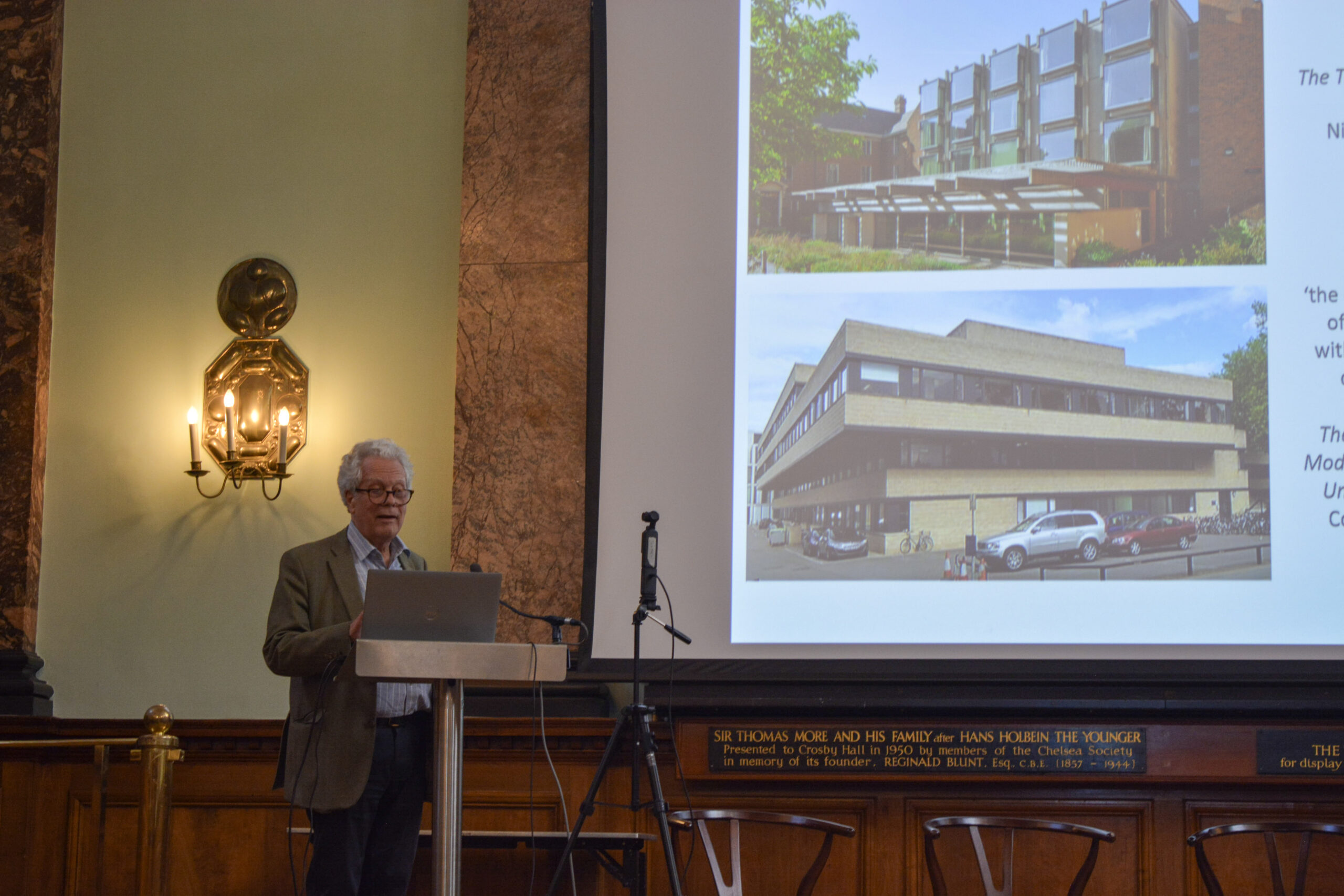
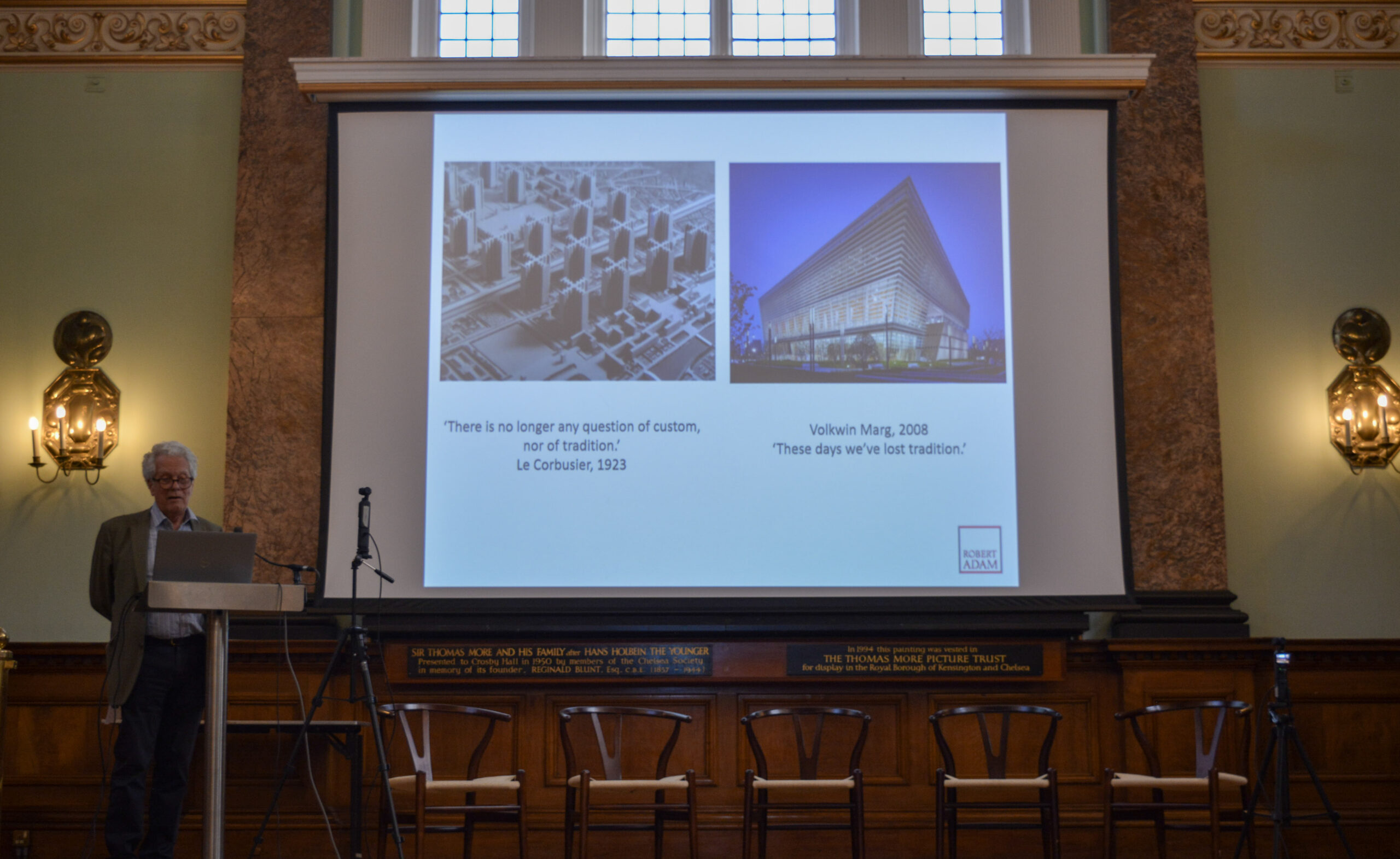
Talk by Robert Adam
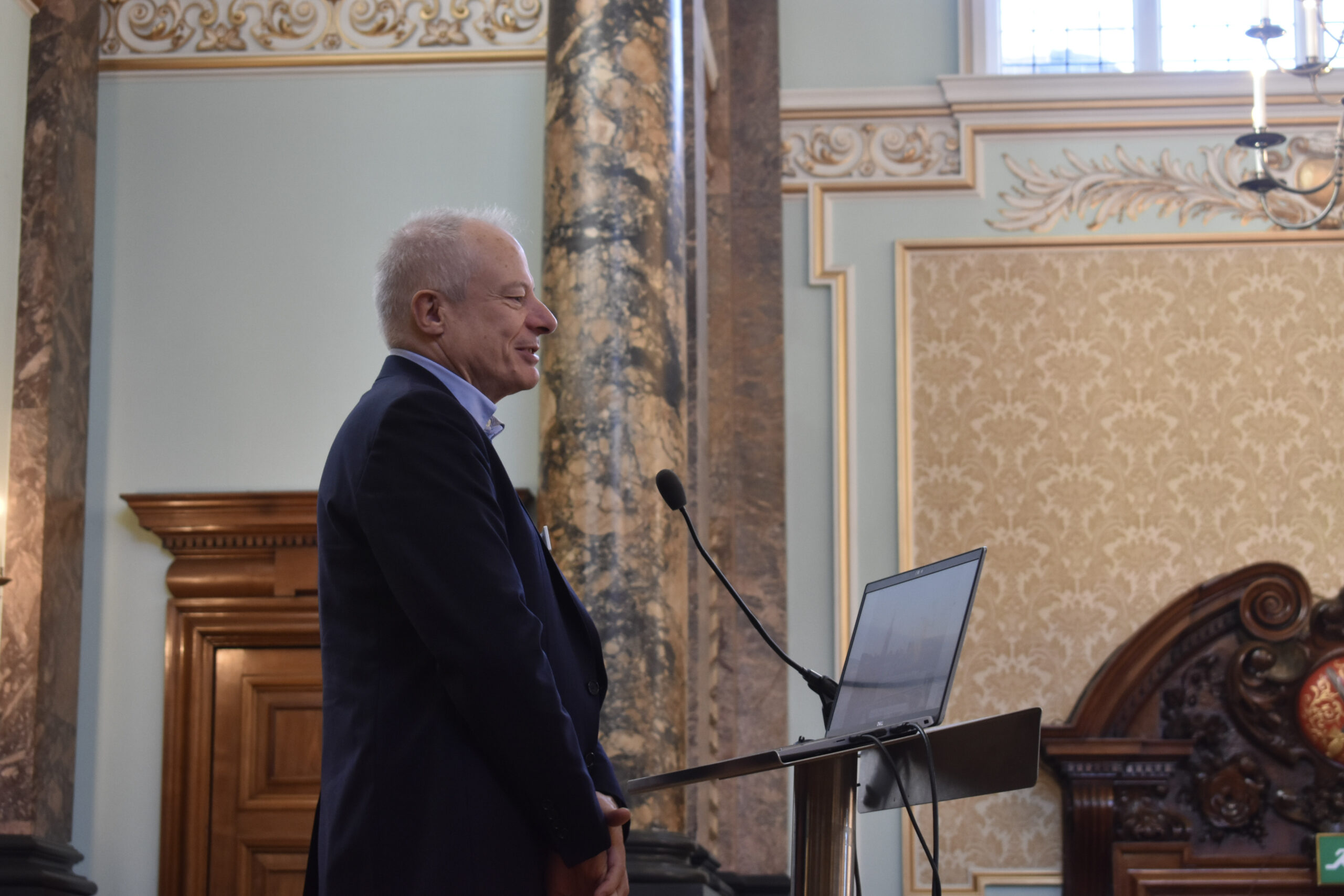
Drawing on a lifetime of architectural practice and advocacy, Robert Adam led a reflective discussion on the role of tradition in modern society. Framing tradition as a living and evolving force rather than a static inheritance, he invited the audience to consider how cultural continuity can inform contemporary life.
The session also looked inward, as Adam reflected on the journey of INTBAU over the past 25 years—from isolated practitioners working independently to a global community gathered at the Congress, representing a breadth of geographies and perspectives that underscored the unifying power of tradition.
Breakout sessions
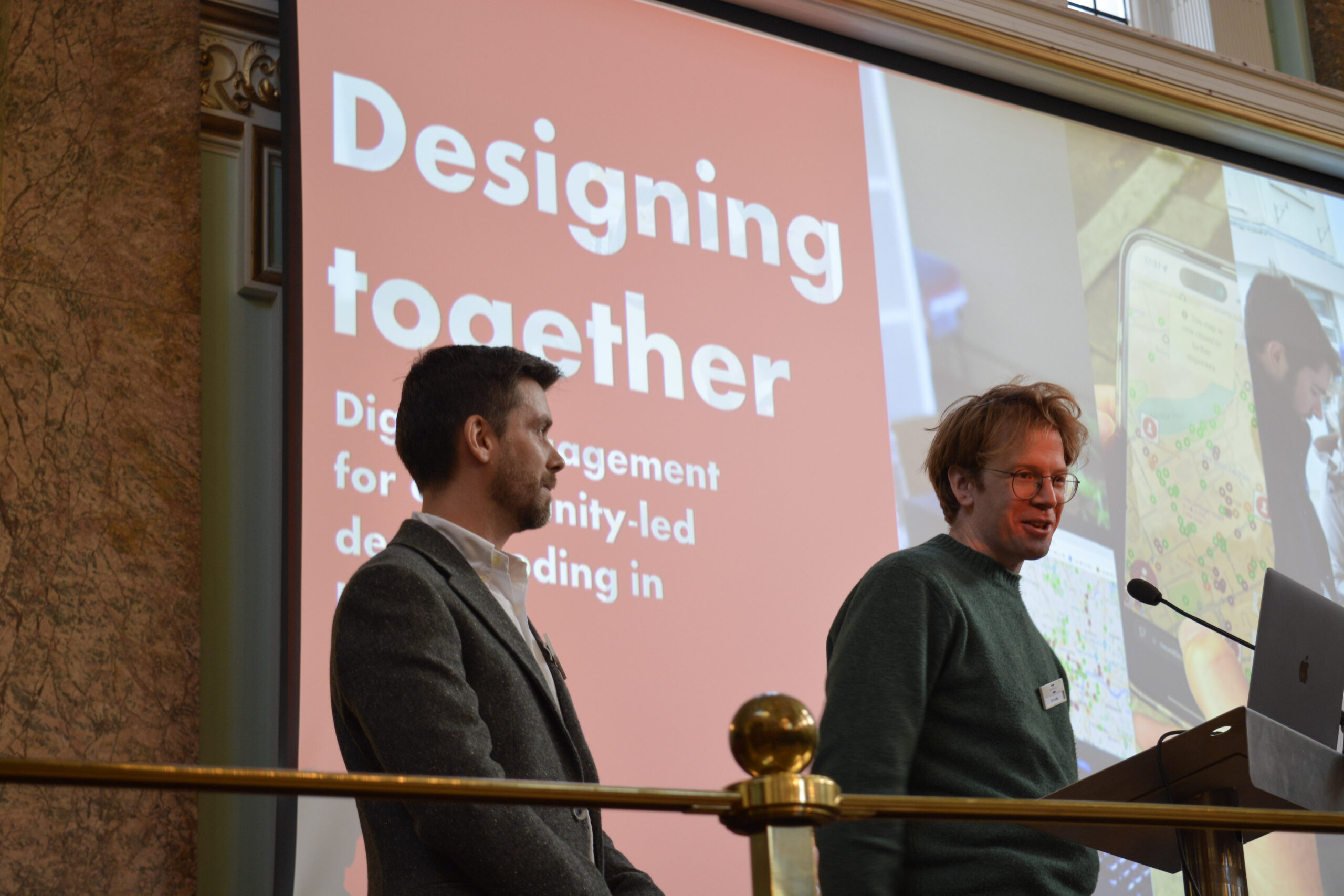
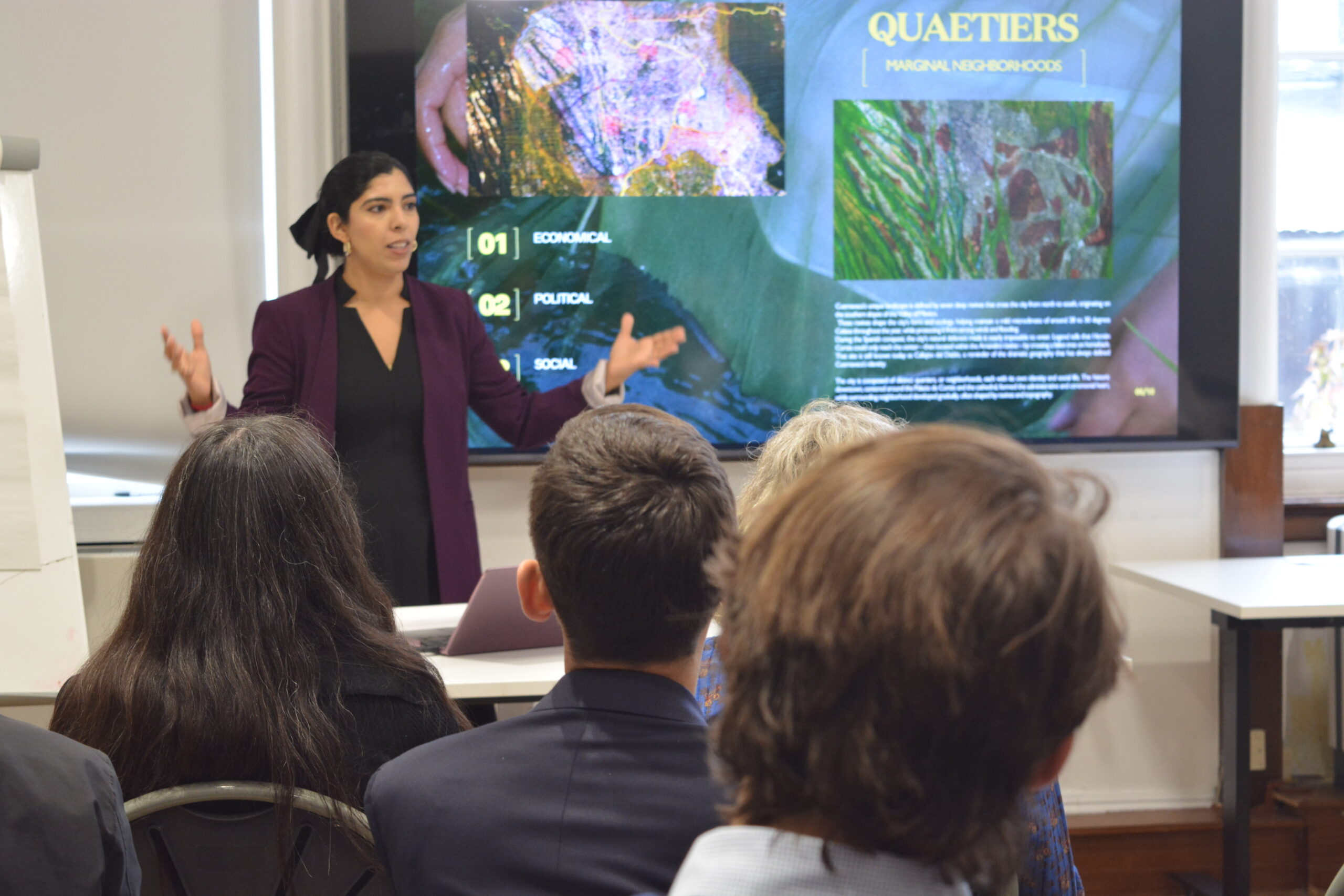
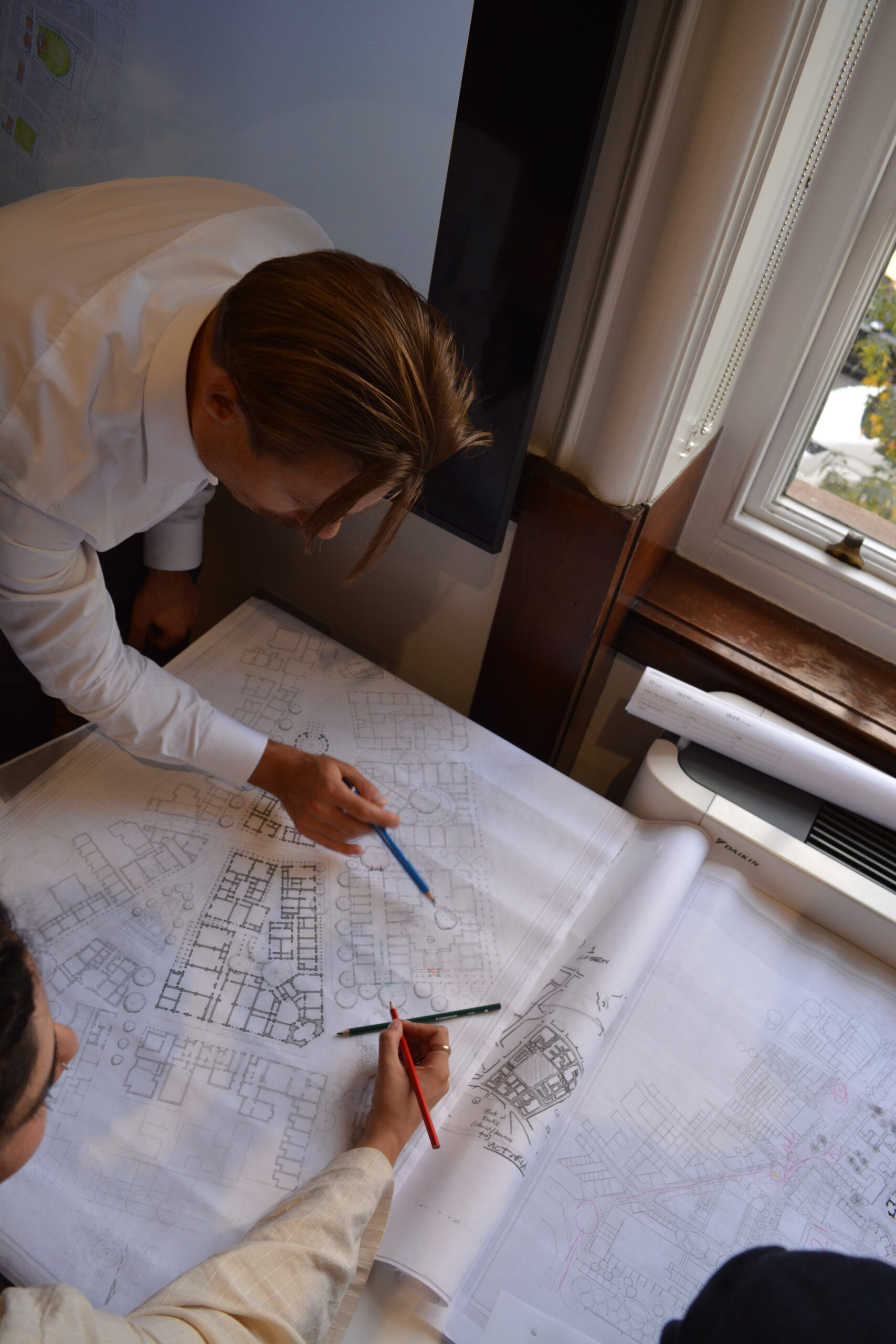
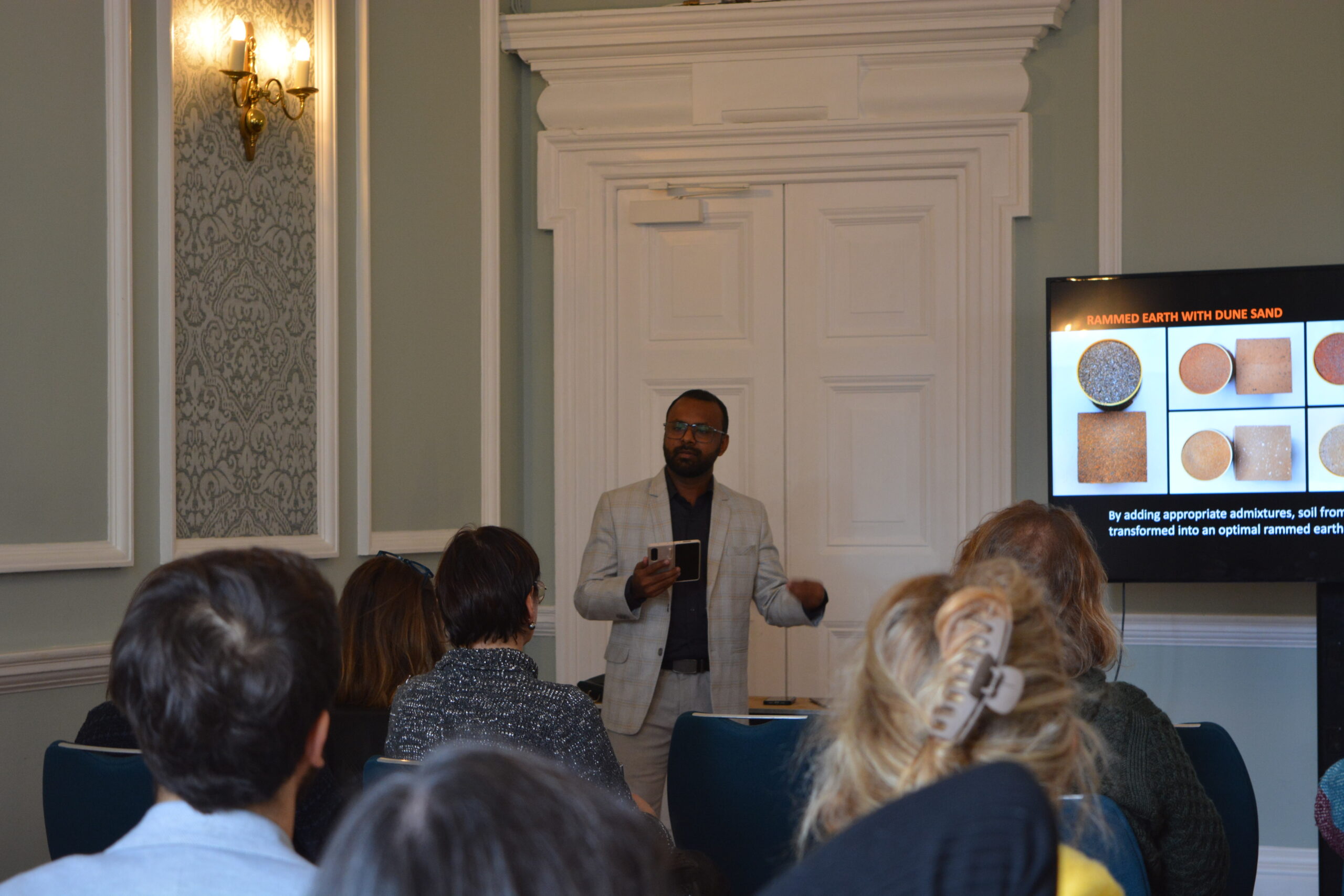
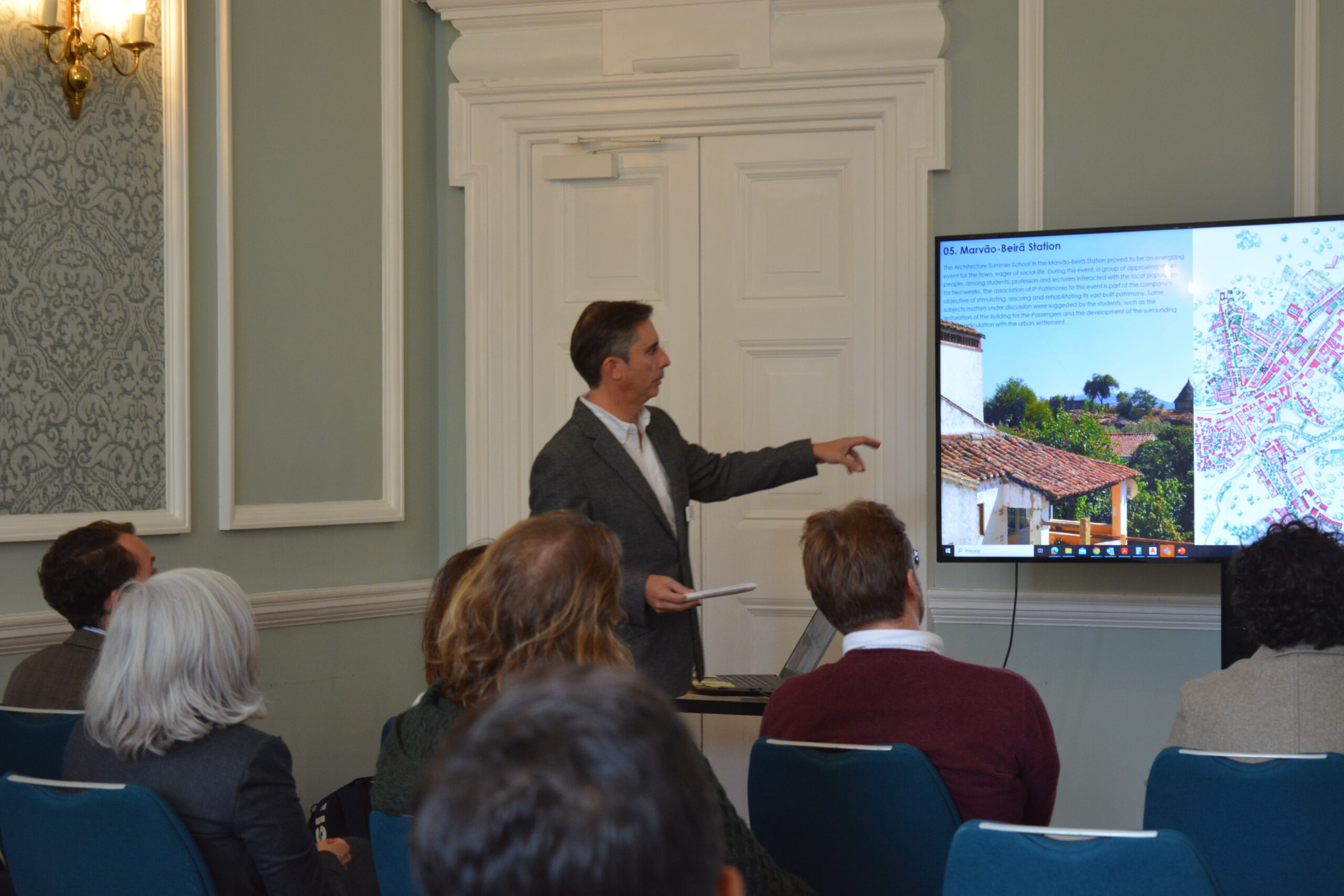
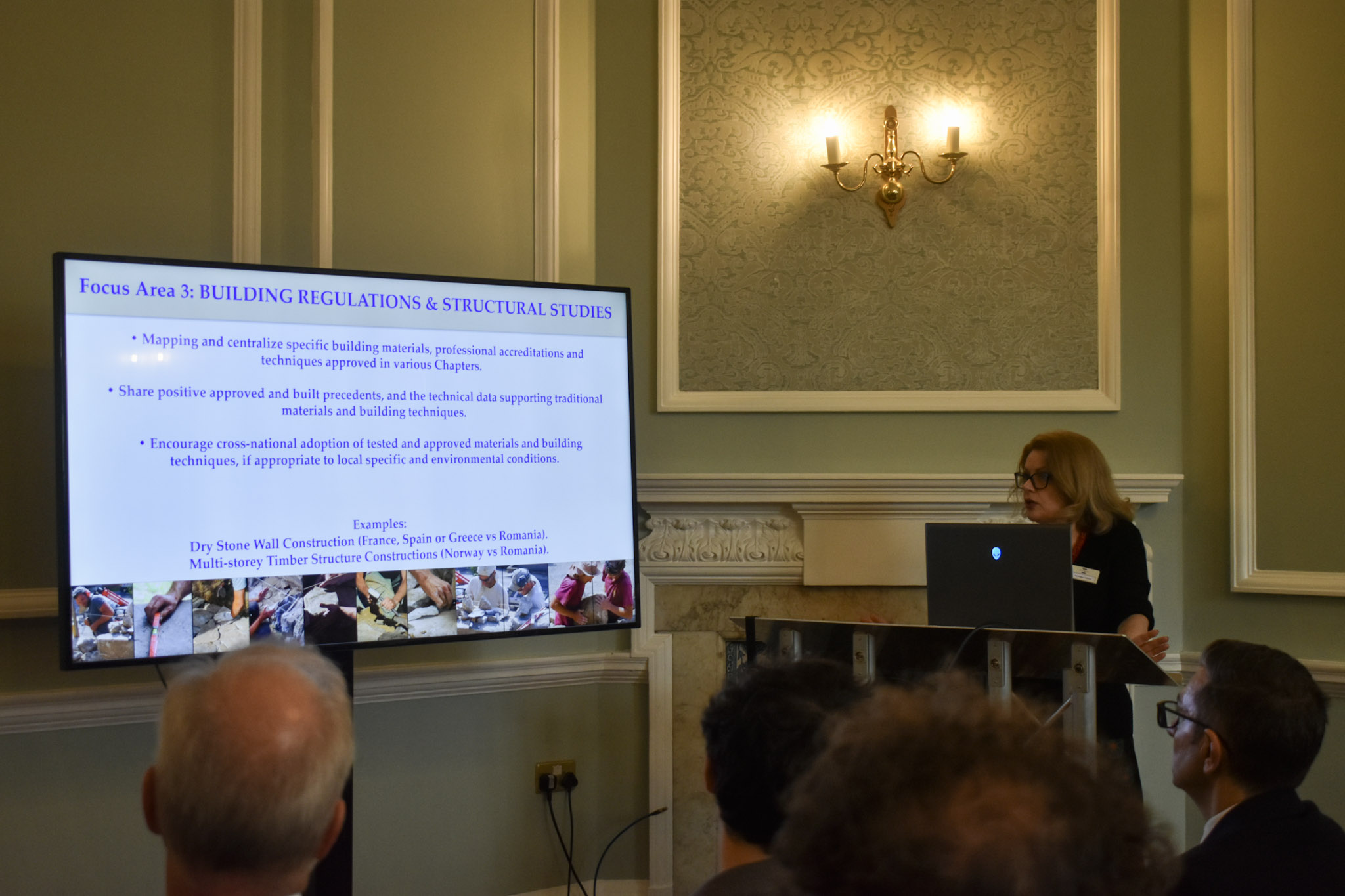
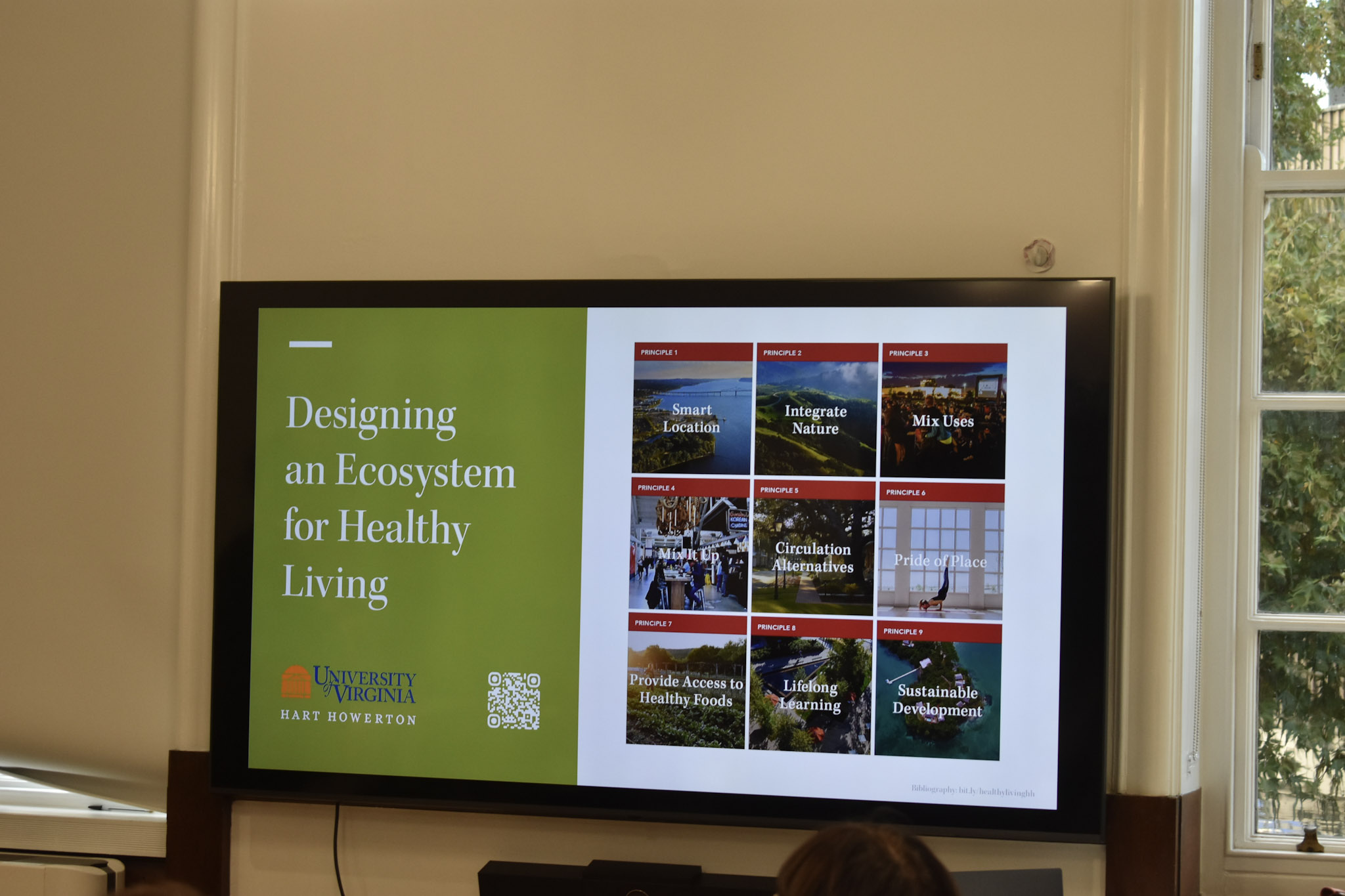
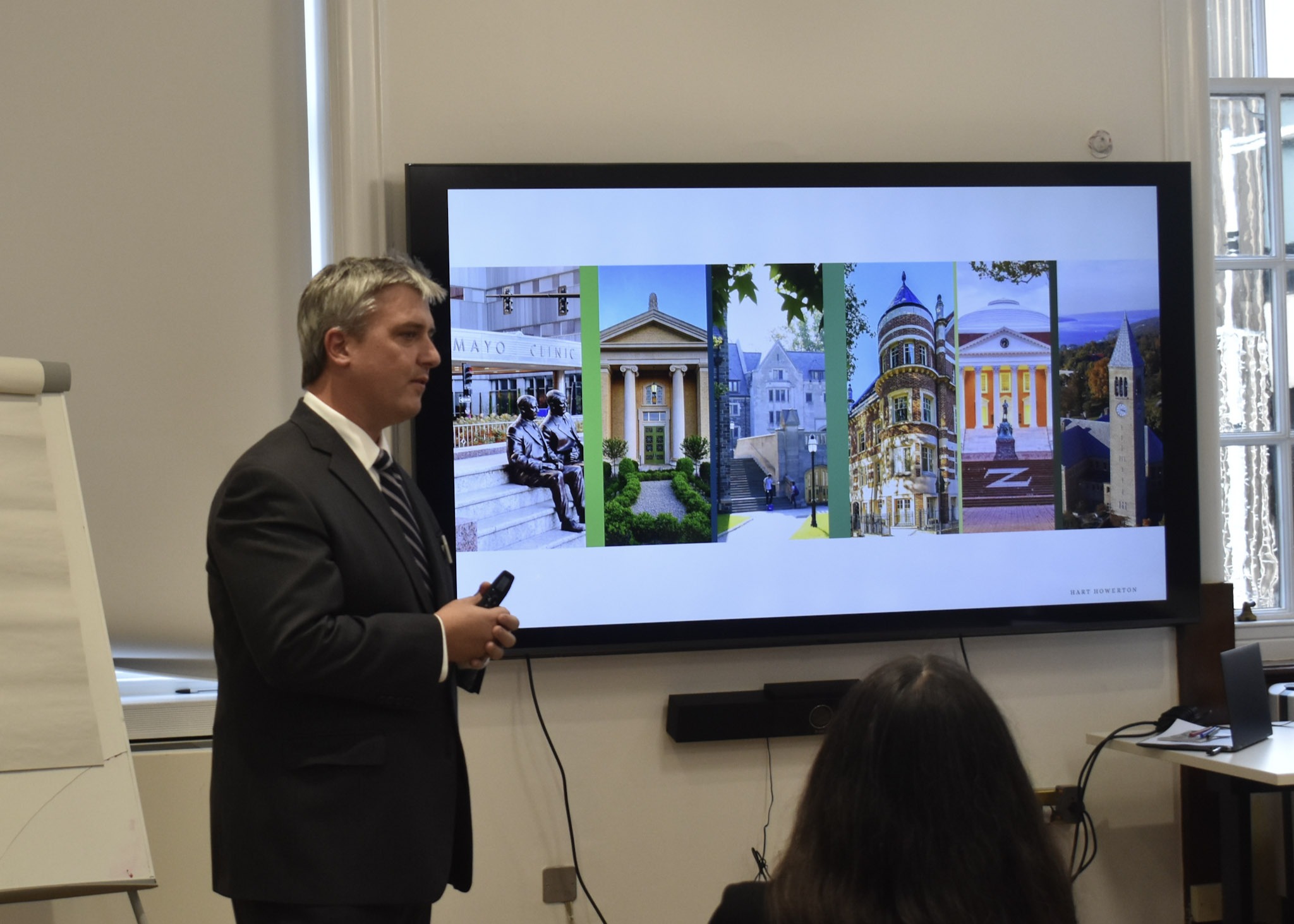
INTBAU 25: Progress in Tradition received nearly 40 proposals for breakout sessions from across the world, spanning Latin America to South Asia. The selected sessions shared how Progress in Tradition is explored through hands-on workshops, community-led projects, and forward-thinking initiatives in building, architecture, and urbanism around the world.
Read more about the breakout sessions HERE.
Reflections from attendees
“The search for somewhere is breaking out everywhere. INTBAU has played, is playing and will play a seminal role in our generation’s re-discovery of the importance of place, tradition and beauty in leading meaningful lives and treading more lightly upon the planet. The INTBAU World Congress in London was a marvellous and magical part of this journey. Thank you for making it happen and for your leadership in this vital realm.”
Nicholas Boys Smith, Founder and Chairman, Create Streets
“INTBAU and the World Congress represent a vital dialogue between tradition and the future — a space where craftsmanship, culture, and community converge. Preserving and advancing traditional building and urbanism is not about nostalgia, but about continuity: sustaining the human values, local wisdom, and environmental harmony that make places truly liveable and meaningful today.”
Ataa Alsalloum, Senior Lecturer in Architecture and Urban Heritage at the Liverpool School of Architecture
“Much of what INTBAU is working toward echoes the aspirations I carried into my architectural studies. Traditional knowledge can be the foundation for building better cities. Our cities are facing serious pressures that demand different approaches — and we need to draw on ancestral knowledge we have lost in order to create intelligent solutions for the future.”
Pietra Viola Siquieroli, Architecture and Urbanism Student, Universidade Federal de Uberlândia, Brazil
Scenes from the Congress
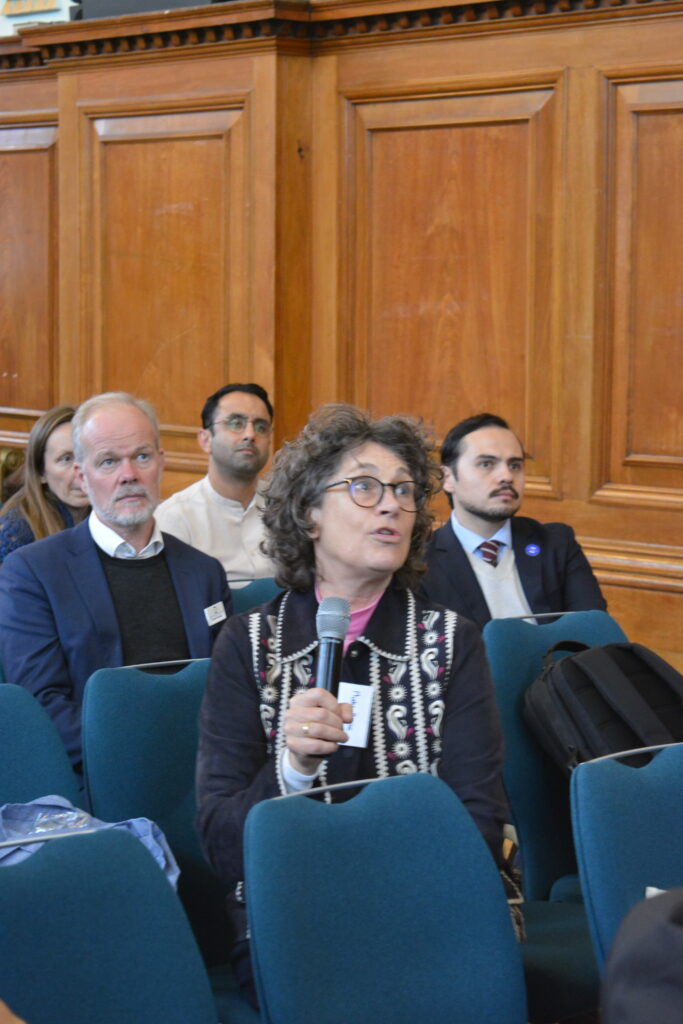
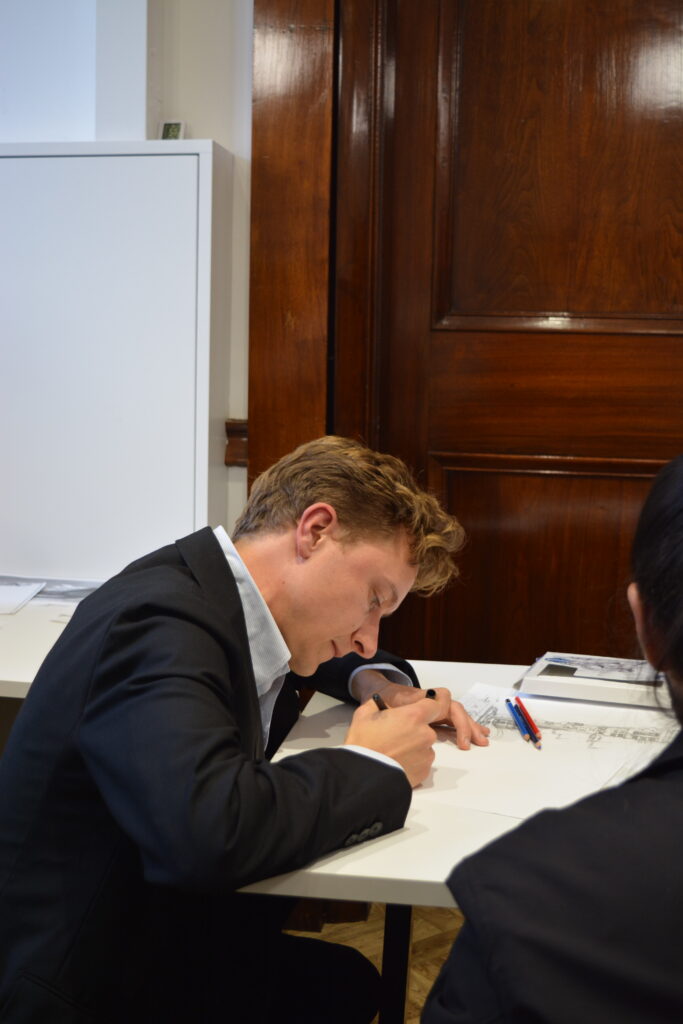
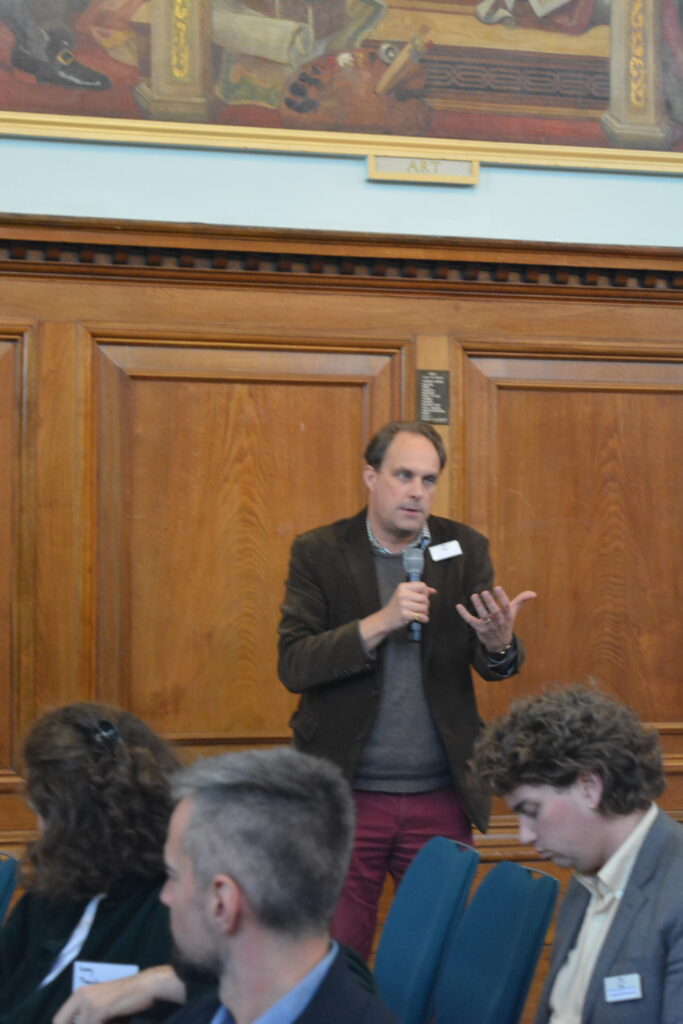
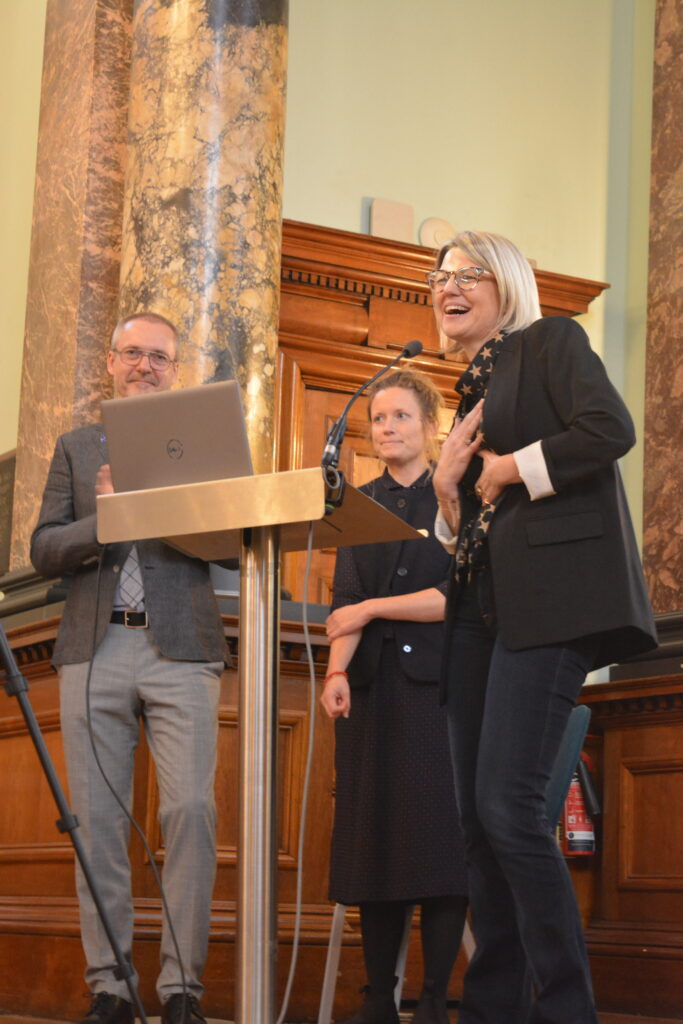
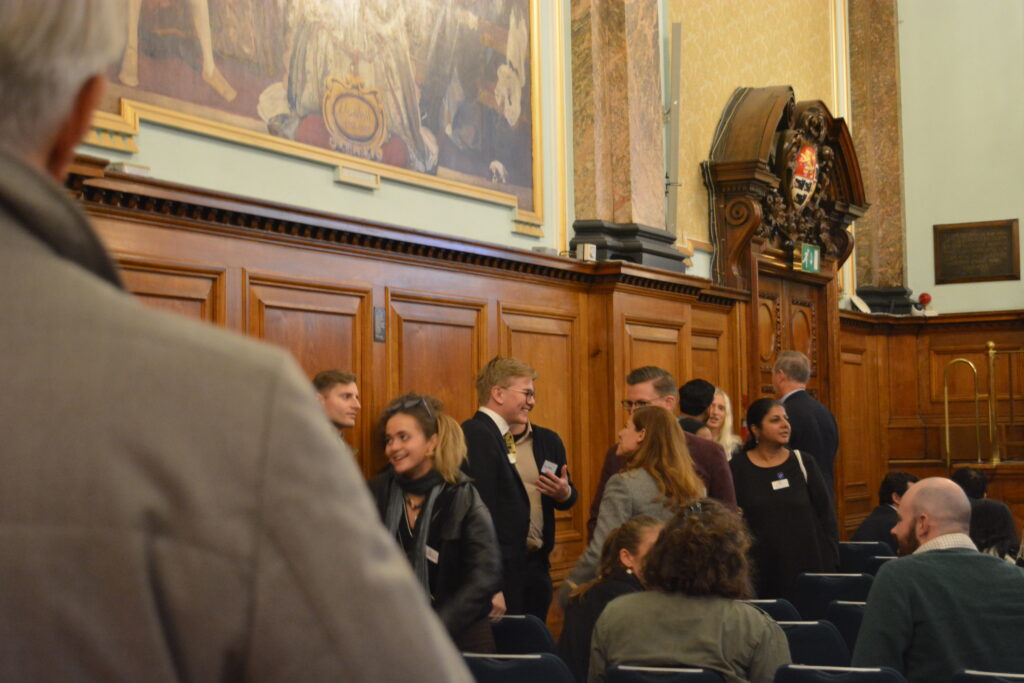
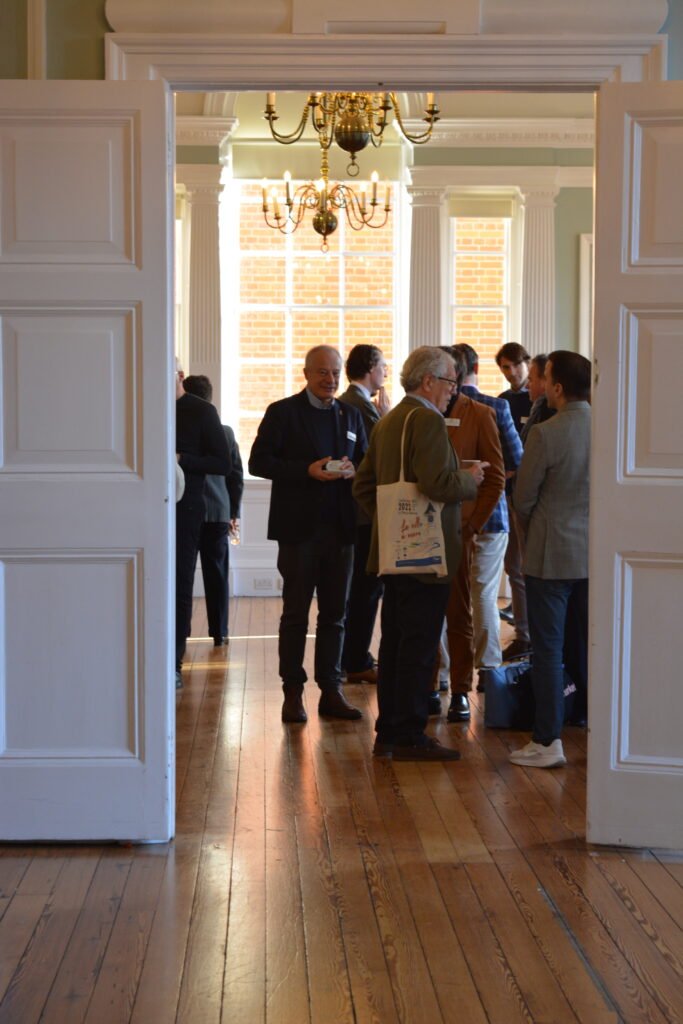
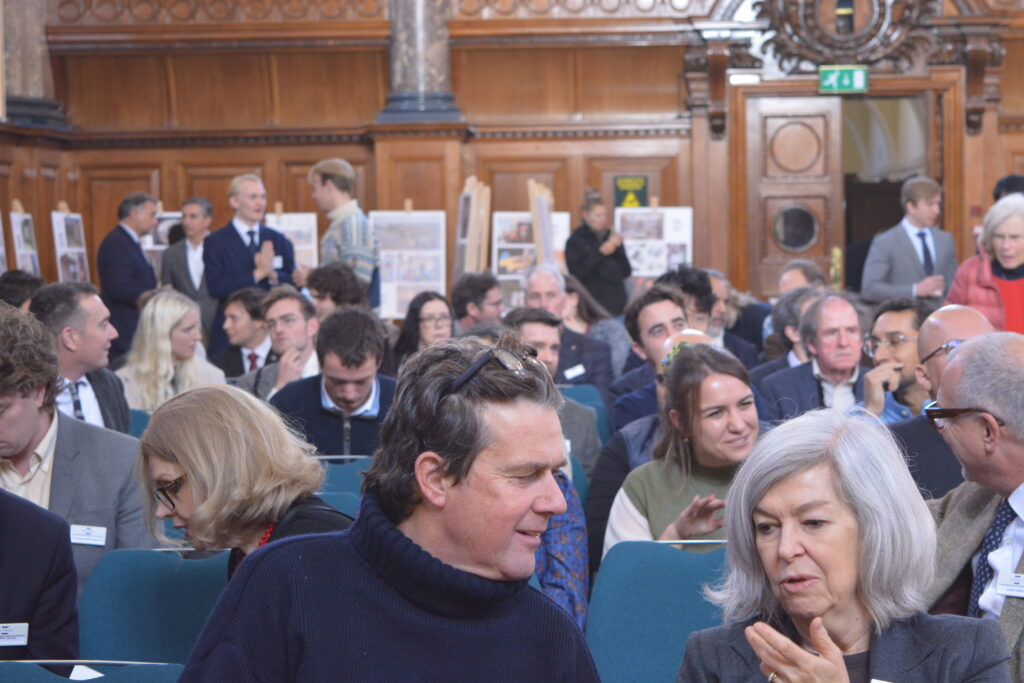
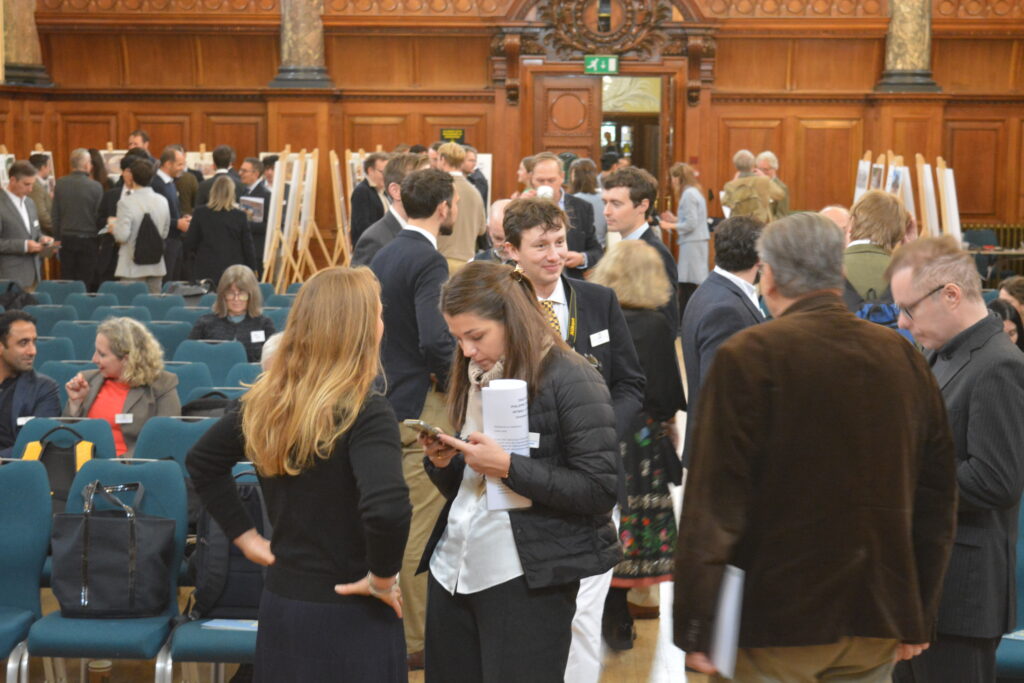
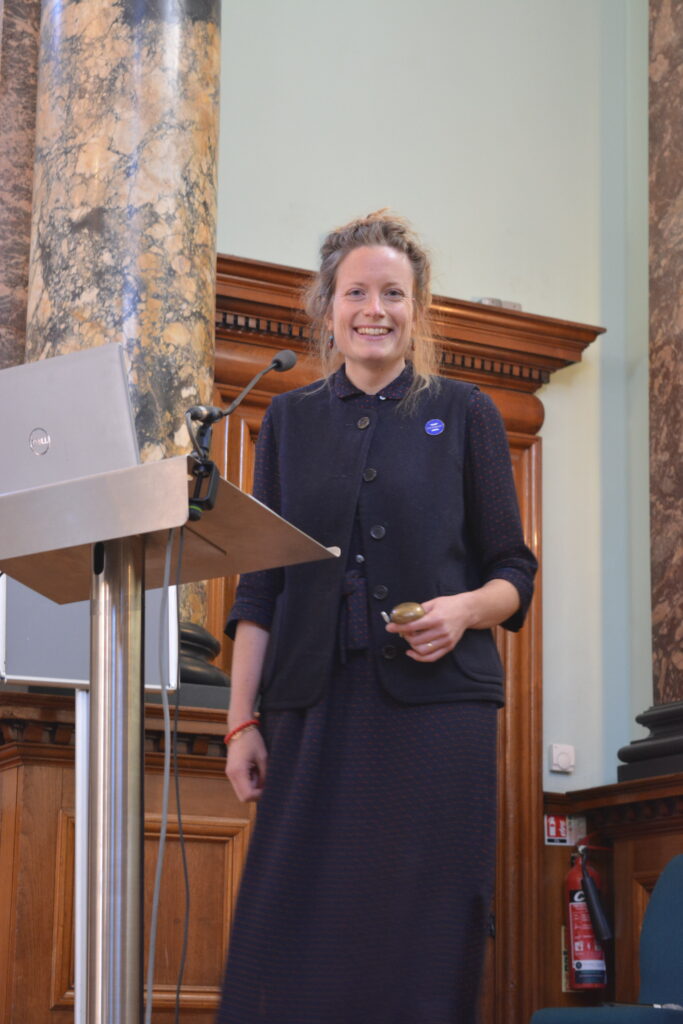
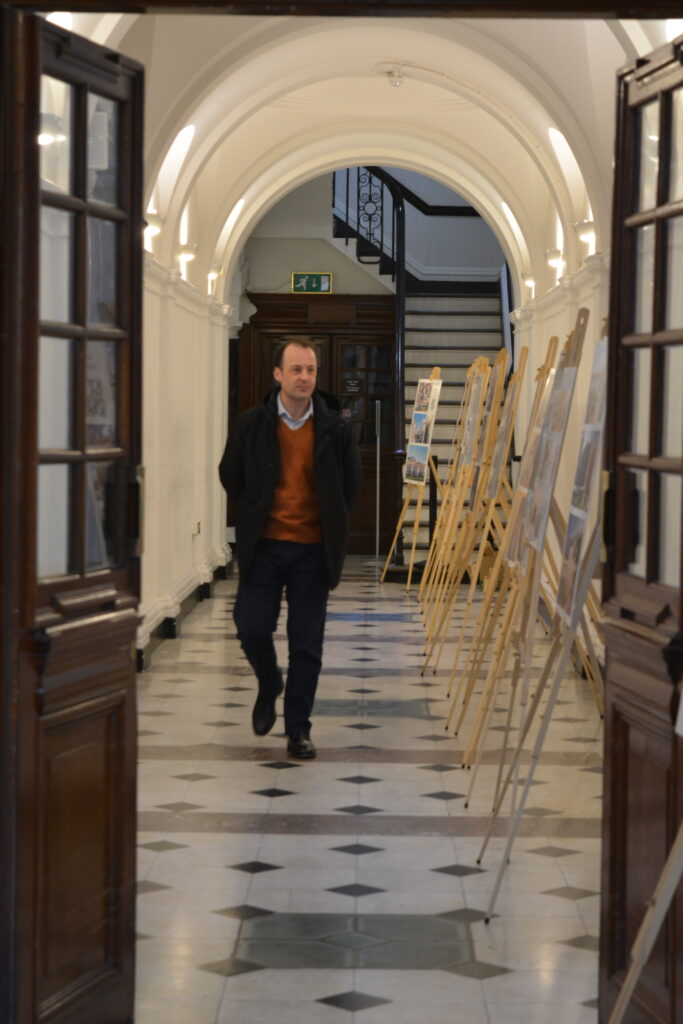
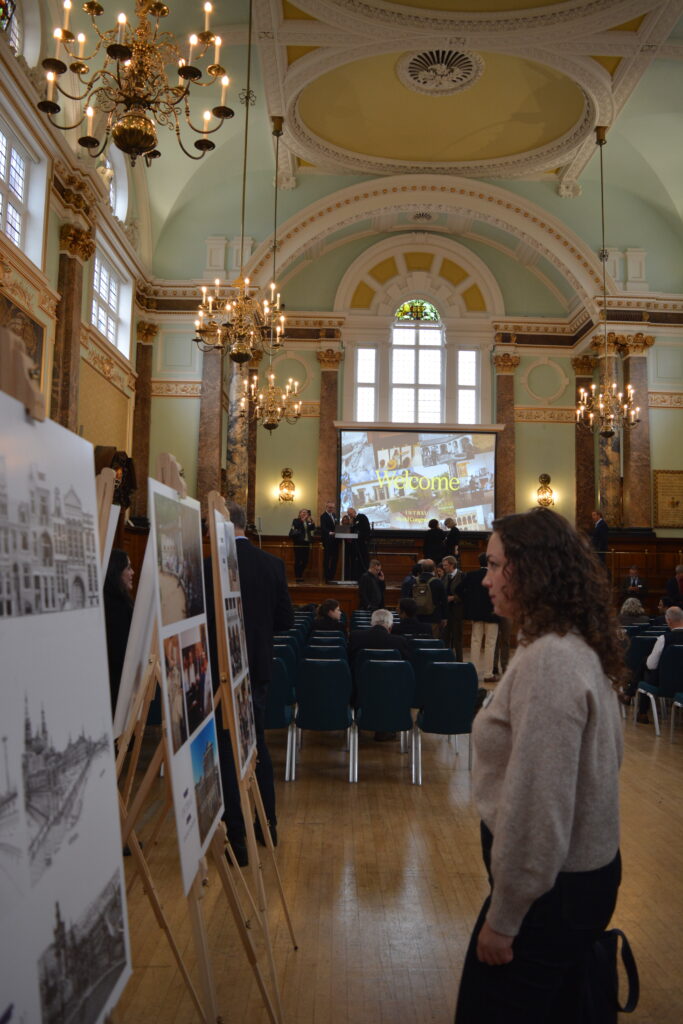
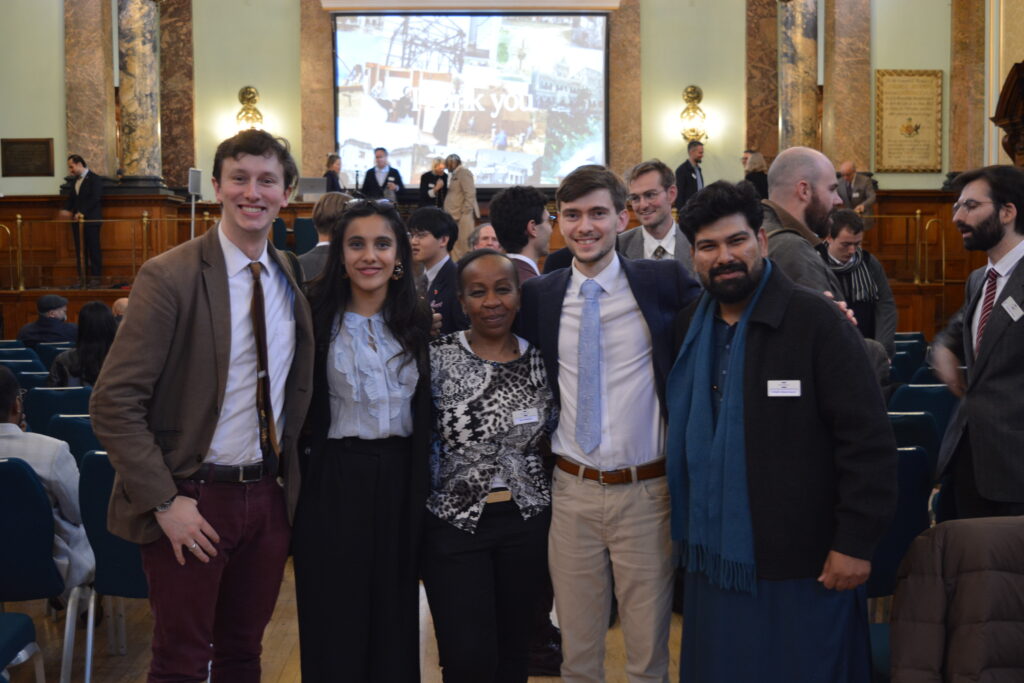
Our sincere thanks go to all who made the Congress possible — our speakers, panellists, practitioners, Chapters, partners, members, and every attendee who contributed to three days of meaningful exchange.
If you would like to be part of future events and initiatives, you can join INTBAU as a General Member for free to receive our newsletter and stay informed about upcoming opportunities across the network. Visit: General Membership | INTBAU.