INTBAU 25: Progress in Tradition received nearly 40 proposals for breakout sessions from across the world, spanning Latin America to South Asia. The selected sessions shared how Progress in Tradition is explored through hands-on workshops, community-led projects, and forward-thinking initiatives in building, architecture, and urbanism around the world.
Stone Free Movement: reviving earth architecture as global solution in the age of climate crisis
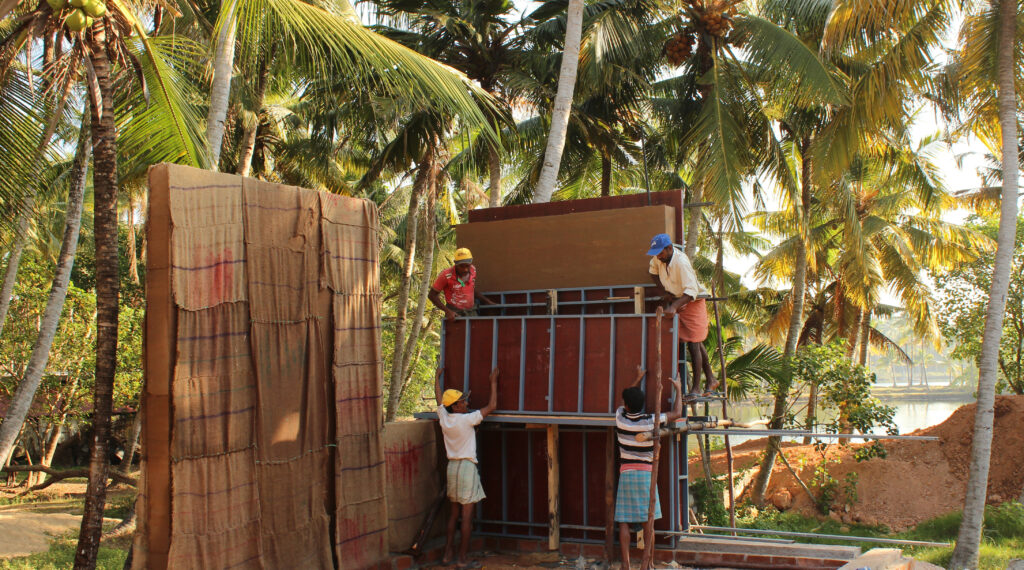
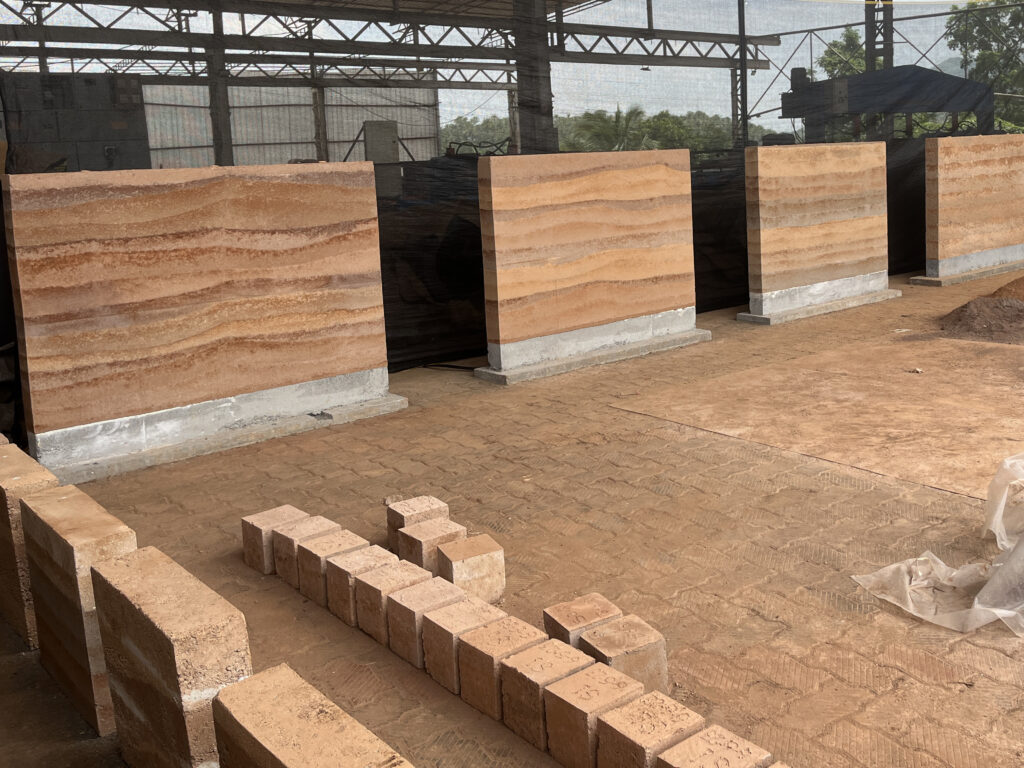
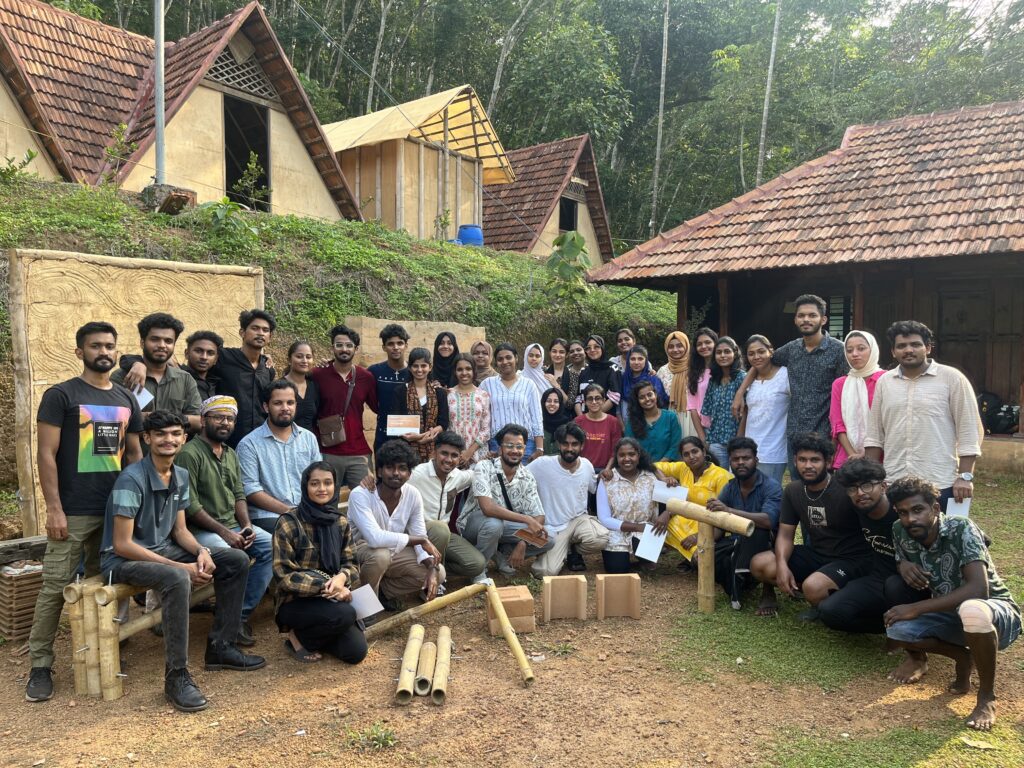
For centuries before the industrial era, human settlements coexisted harmoniously with their natural surroundings. Traditional building practices respected biodiversity, relied on locally available materials, and adapted sensitively to regional climates. In Kerala, these methods drew on earth, clay, lime, and bamboo—materials that were abundant, renewable, and environmentally benign.
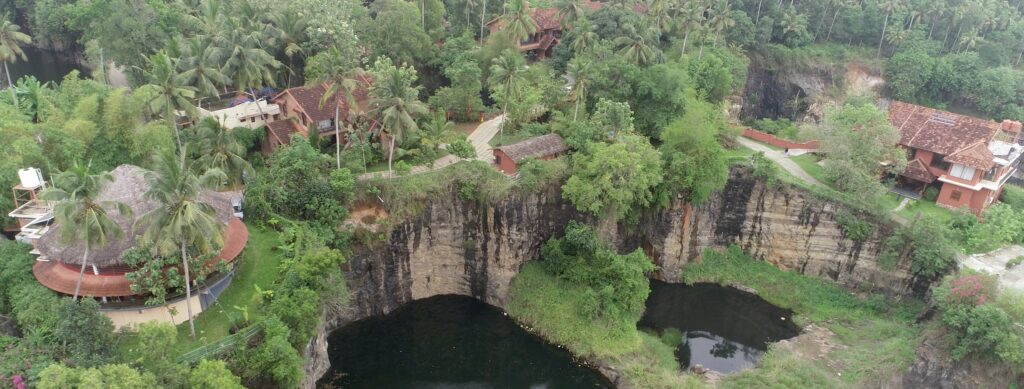
Modern development, driven by rapid urbanisation and infrastructure growth, has disrupted this balance. Unregulated quarrying, deforestation, and the widespread use of concrete have degraded ecosystems, triggered natural disasters, and increased carbon emissions. Quarrying in particular has destroyed landscapes and destabilised communities.
The Stone Free Movement responds to this crisis by calling for a transformation in construction practices through:
1. Material Shift – Promoting earth-based, renewable, and low-carbon materials.
2. Research & Development – Integrating modern technology with traditional knowledge.
3. Community Empowerment – Creating local jobs through sourcing and processing regional materials.
4. Policy Influence – Embedding sustainability into building regulations.
Though rooted in Kerala, this initiative offers a replicable model for regions worldwide facing similar ecological stress. The vision is to establish Kerala as a global case study in climate-positive construction by 2035, reframing development as an act of environmental stewardship and ensuring that the buildings of today actively contribute to a sustainable future.
About the session leader
Hasan Naseef A is an architect from India with over 13 years of experience in sustainable and vernacular design. He is Founder and Chairman of the URVI Foundation, Principal Architect at Urvi Sustainable Spaces, and Director of Terracast Eco LLP. He also leads the Down to Earth Village initiative in Kerala and directs the URVIKOSA Research and Training Center, through which he has trained more than 1,000 individuals in sustainable construction practices.
His work integrates indigenous wisdom with modern innovation to create eco-conscious building solutions. As founder of the Stone Free Movement, Hasan advocates for sustainable alternatives to excessive stone quarrying. He was named a finalist for the Earthna Prize 2025 and is a committed INTBAU member, promoting responsible architecture rooted in local ecology and traditional knowledge.
Genius Loci and Corbusier’s pack donkey. The unique character of place as a cornerstone of traditional building
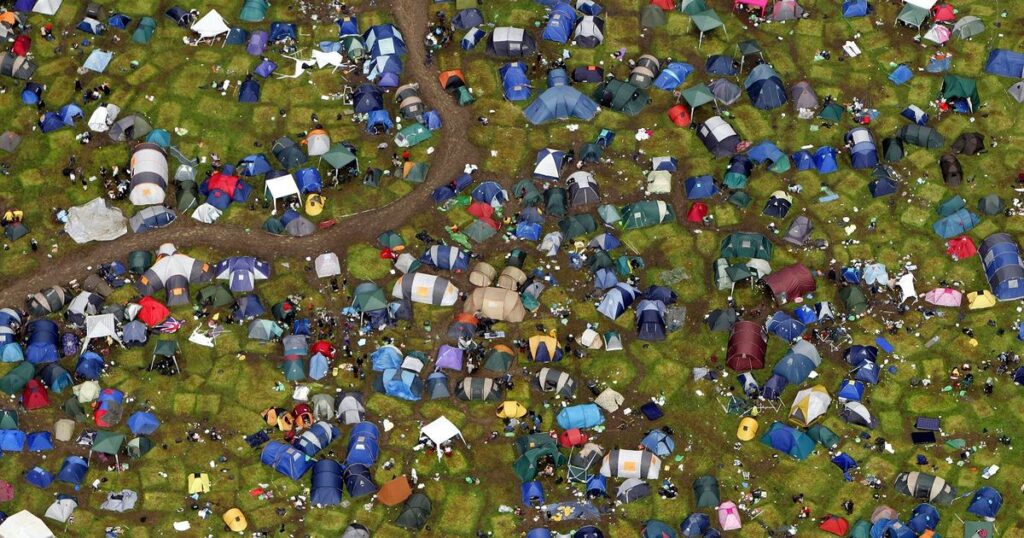
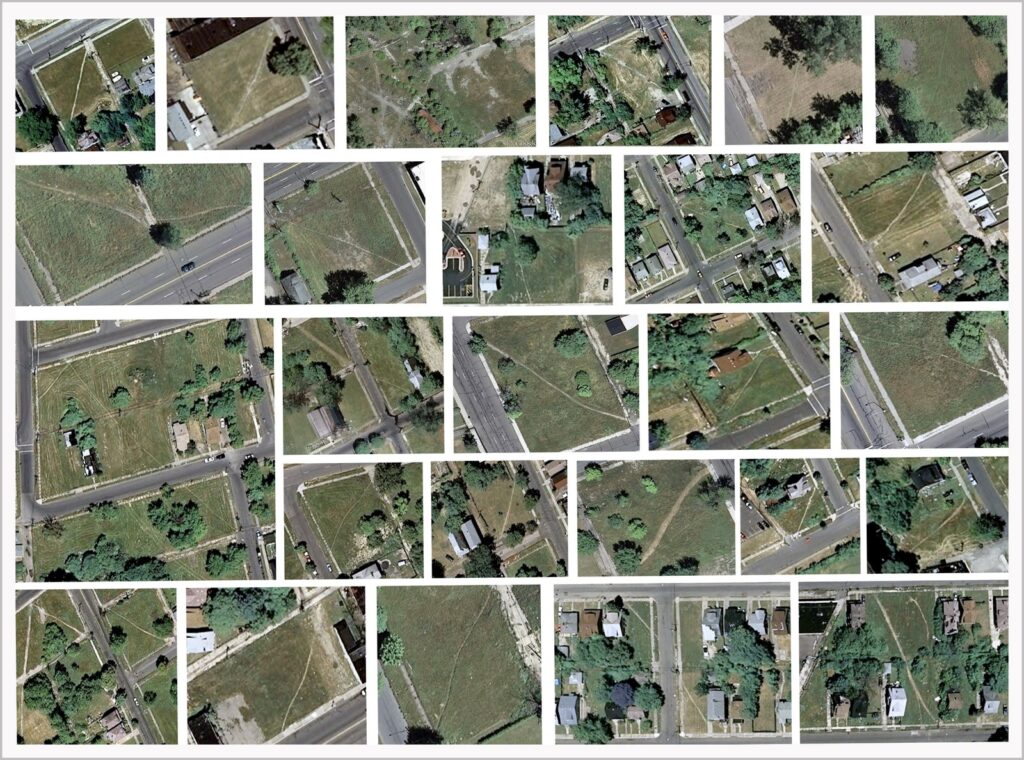
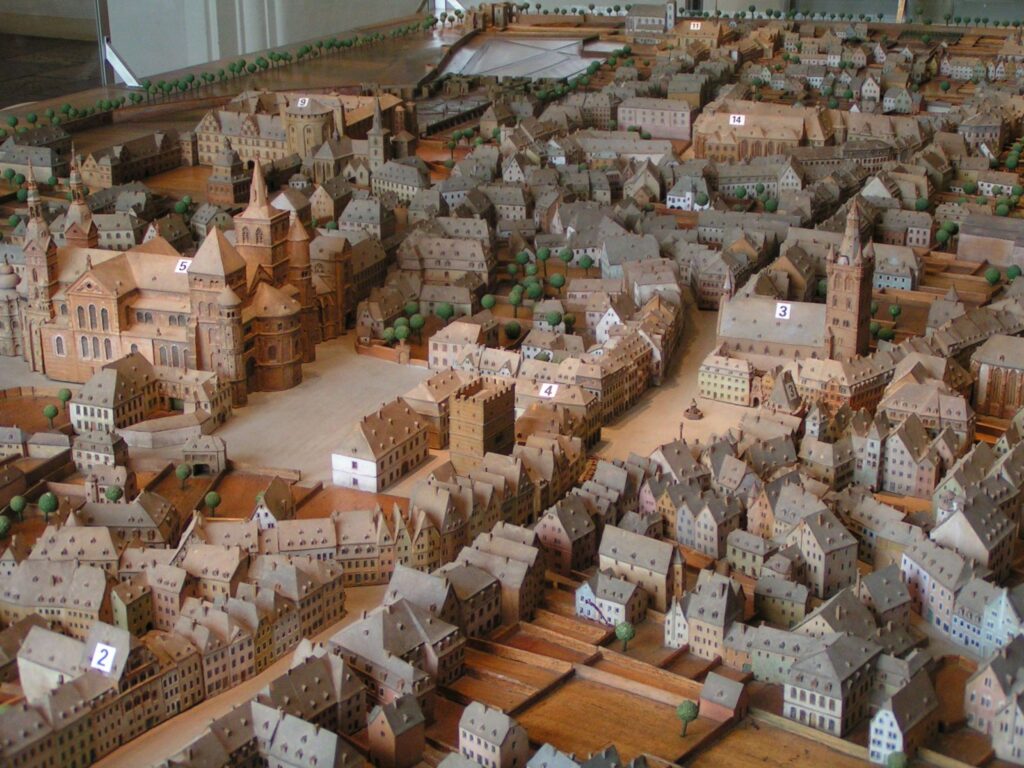
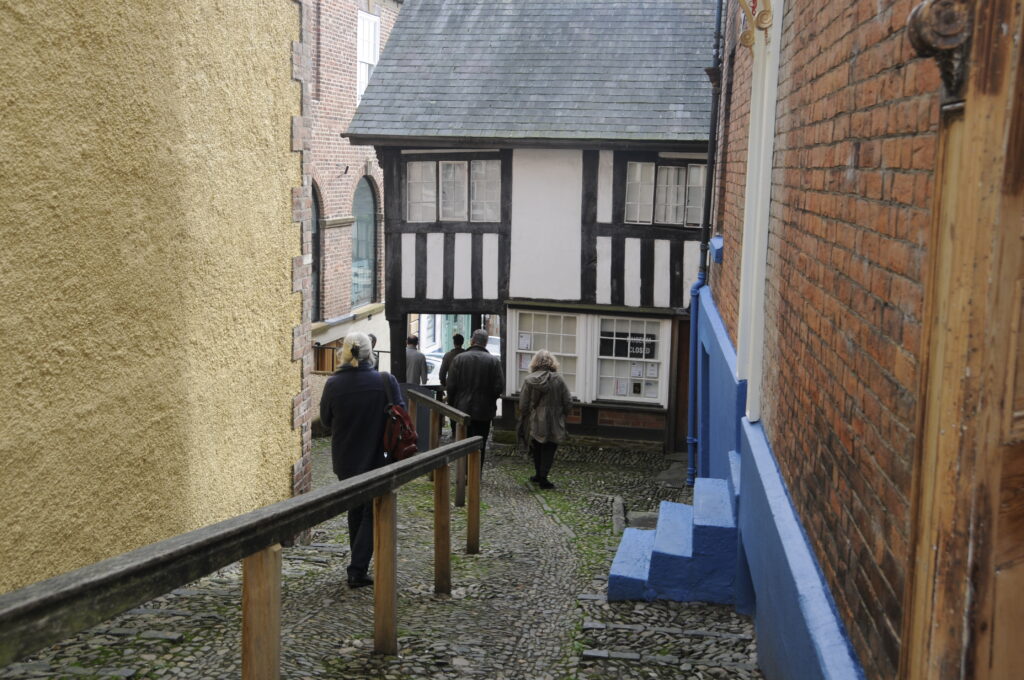
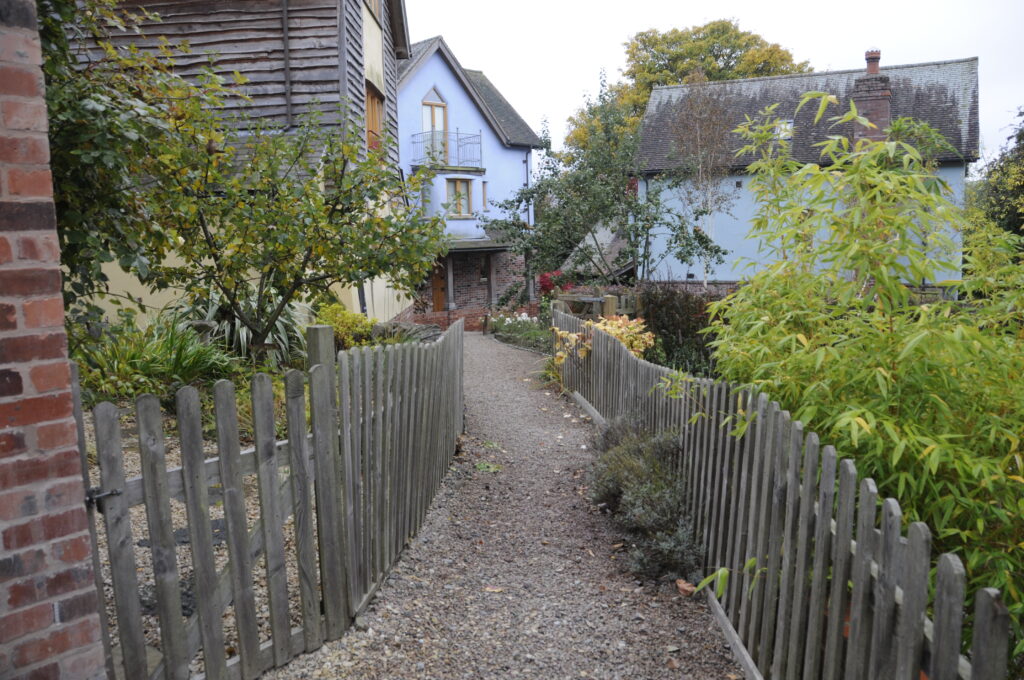
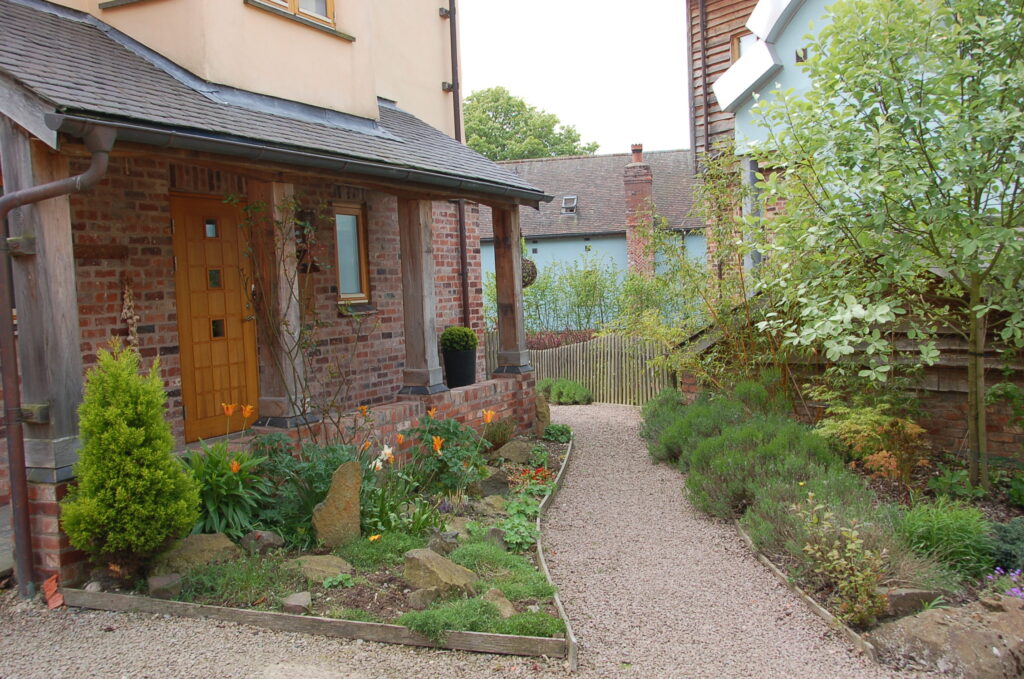
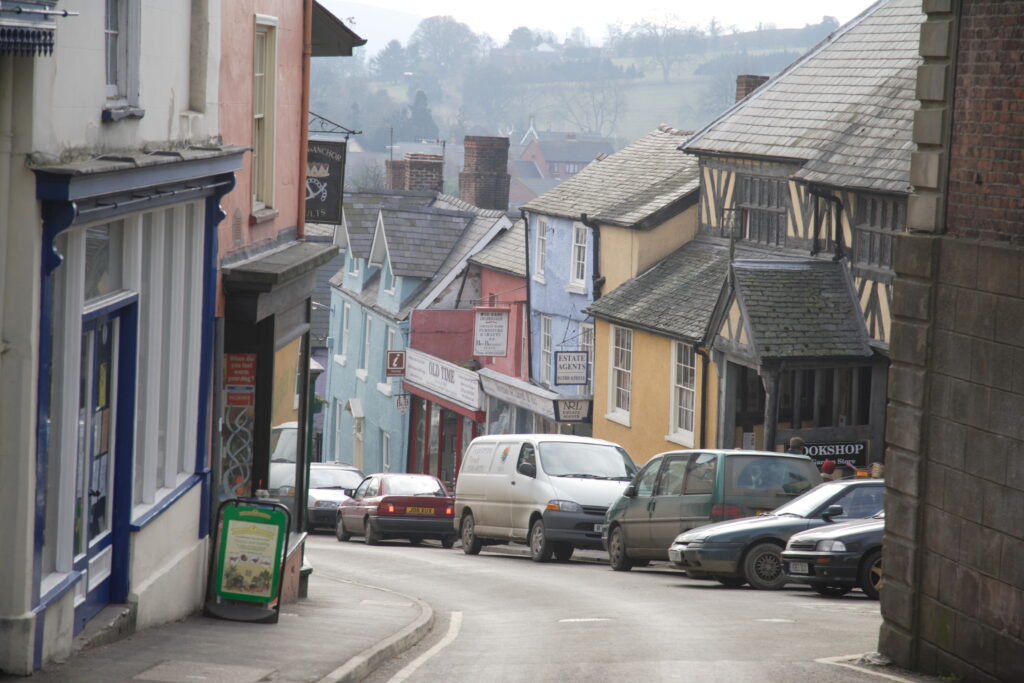
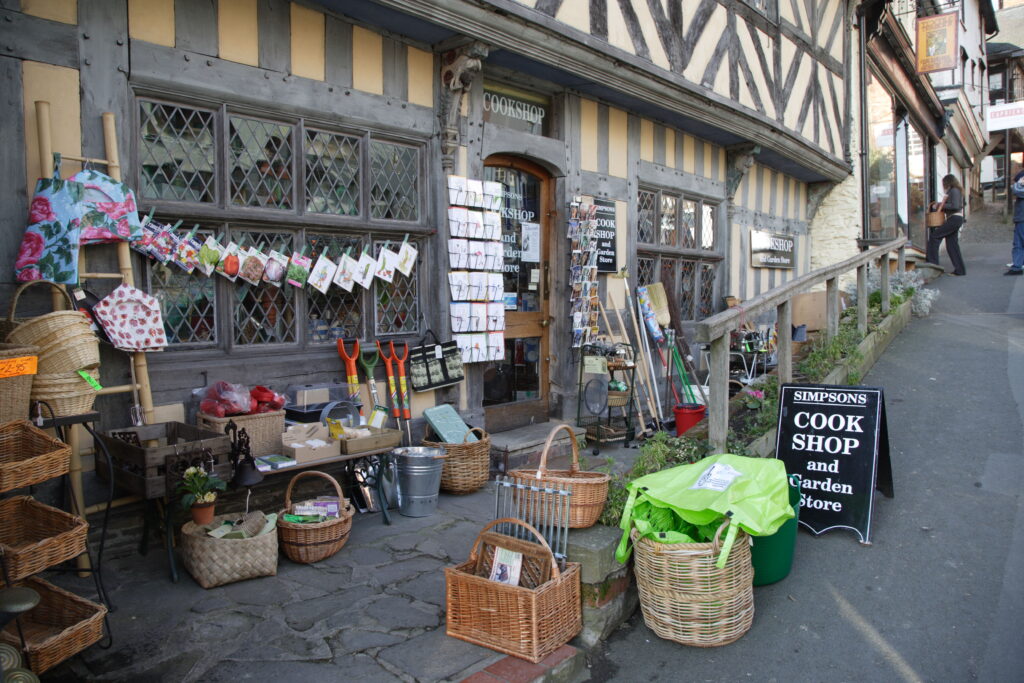
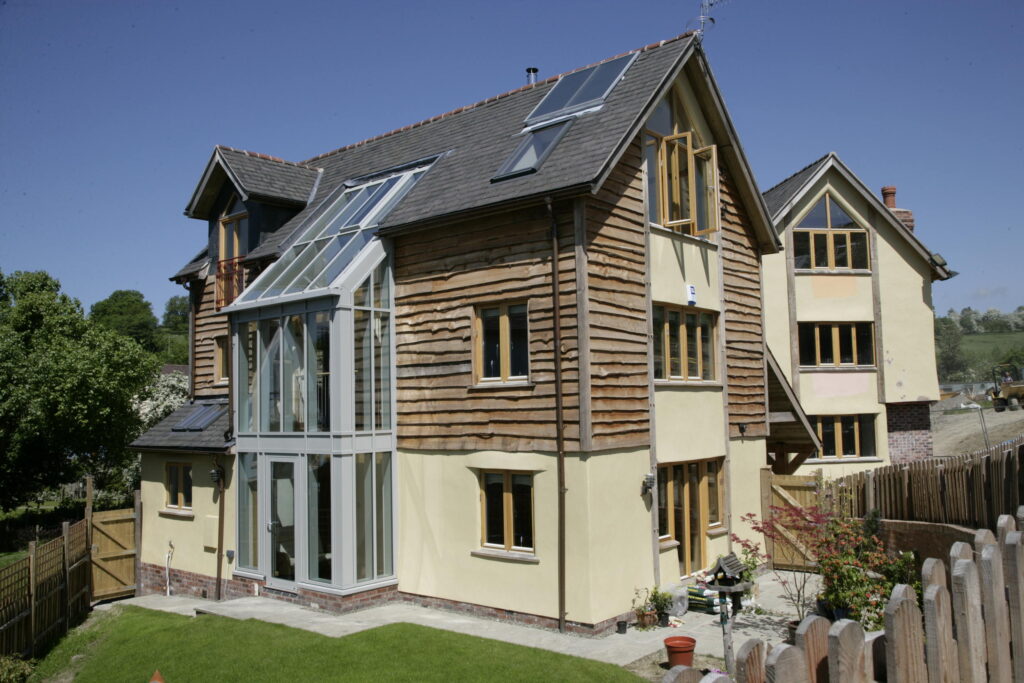
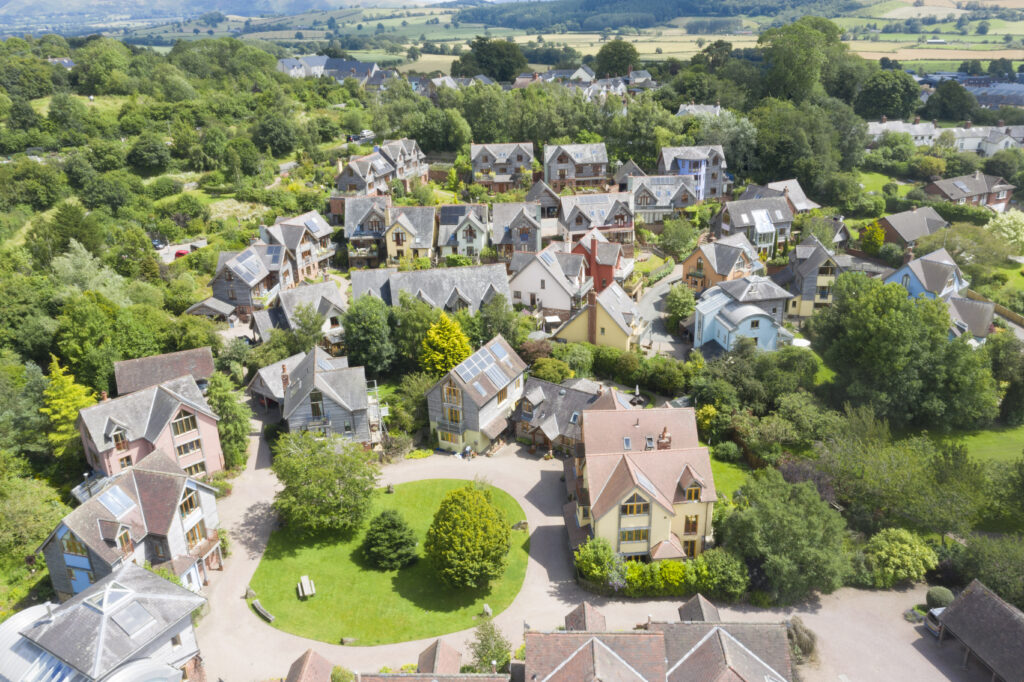
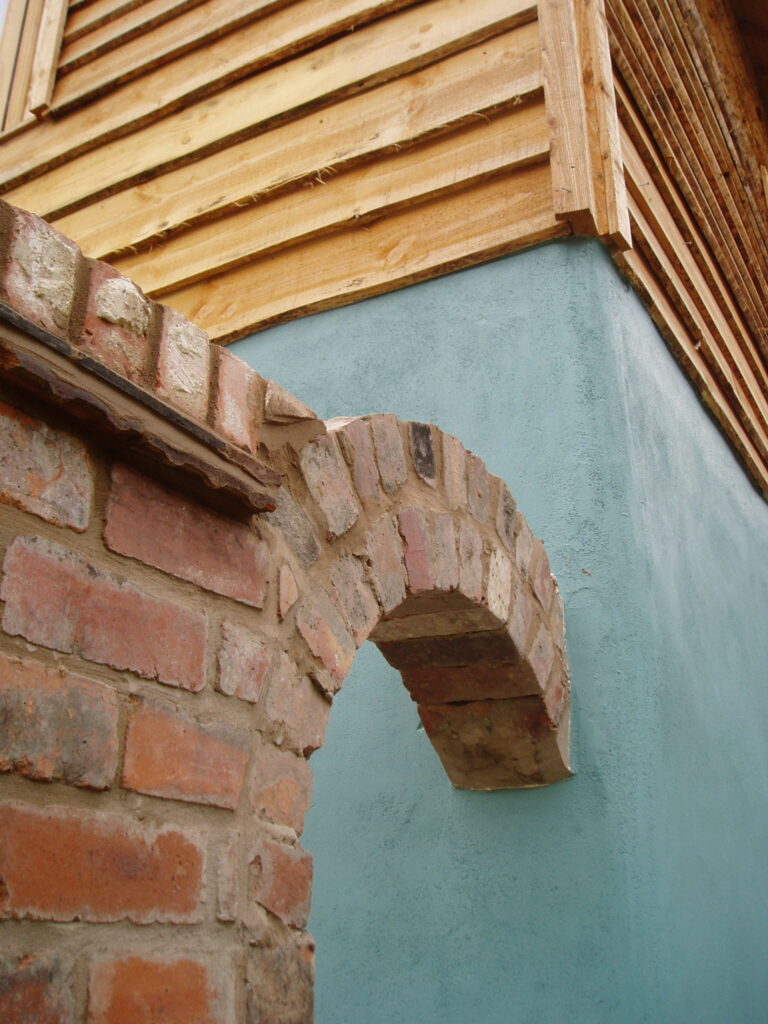
Led by Robert Tomlinson, this session will open with a discussion of genius loci—the spirit of place—and the ways in which traditional building was once intuitive, resourceful, and deeply integrated with natural placemaking. Le Corbusier’s ridicule of the pack donkey, which does not travel in a straight line, serves as a striking metaphor for how the post-Cartesian world lost its connection to nature and to human well-being in the design of settlements. The discussion will then turn to the potential of modern technology in design and site analysis, and how it can be harnessed to support placemaking and building in a truly traditional sense: one that respects both technique and materials, and the wider context and wisdom of place.

About Robert Tomlinson
INTBAU General Member Robert Tomlinson began training as an architect in the mid-1970s, but after early work on housing for a new town in Shropshire left him disillusioned, he turned instead to a career as a professional explorer and filmmaker. His return to architectural design and urbanism came in 1992, following an encounter with Bill Mollison, founder of the Permaculture movement, which inspired him to investigate sustainable settlements in the UK. The following year he became a Founder Director of The Living Village Trust, leading work on regenerative architecture and urban design for living places that both enhance human well-being and improve the natural world. His team delivered several pioneering ‘eco-development’ projects, gaining deep insight into the realities of development in practice.
Further information: www.village-makers.com & www.thelivingvillagetrust.comous building solutions.
Towards an architecture… school!
Traditional knowledge offers time-tested solutions to today’s built environment challenges, yet it is missing from most architecture schools worldwide.
To build a better future for people and the planet, the INTBAU network works to create more education opportunities to bring students and practitioners together, aiming to connect more closely with schools, colleges, and practices.
Each year, INTBAU Chapters run education programmes around the world to help bridge this concerning gap.
This breakout session will aim to advance the discussion on the future of traditional architecture education. With the help of speakers who are all involved in teaching, we will try to imagine what a true school of traditional architecture might look like, both in terms of form and curriculum.
About Nadia Naty Everard
Nadia Naty Everard is a Belgian young practitioner of traditional architecture.
She is the founder and chairperson of the Belgian chapter of INTBAU, also known as La Table Ronde de l’Architecture. In this capacity, she organises several traditional architecture summer schools and craft workshops.
Since 2023, Nadia has also been organising the Philippe Rotthier European Architecture Prize, which rewards exemplary achievements by European architects, town planners and craftsmen around the world.
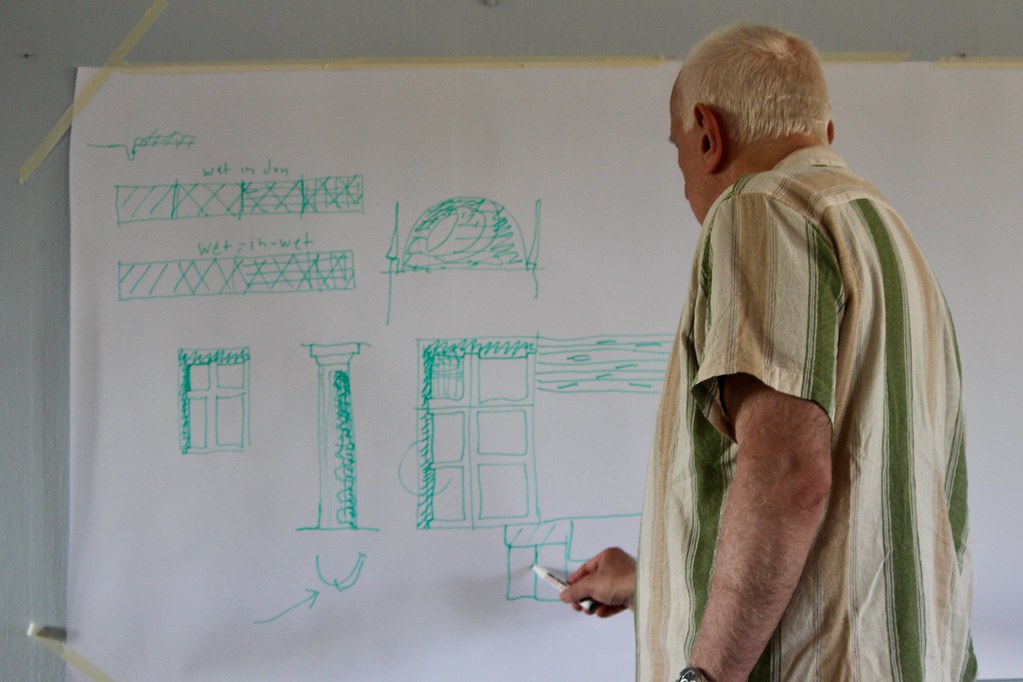
Cuauhnáhuac: City of Eternal Spring — A proposal to combat urban decay and insecurity
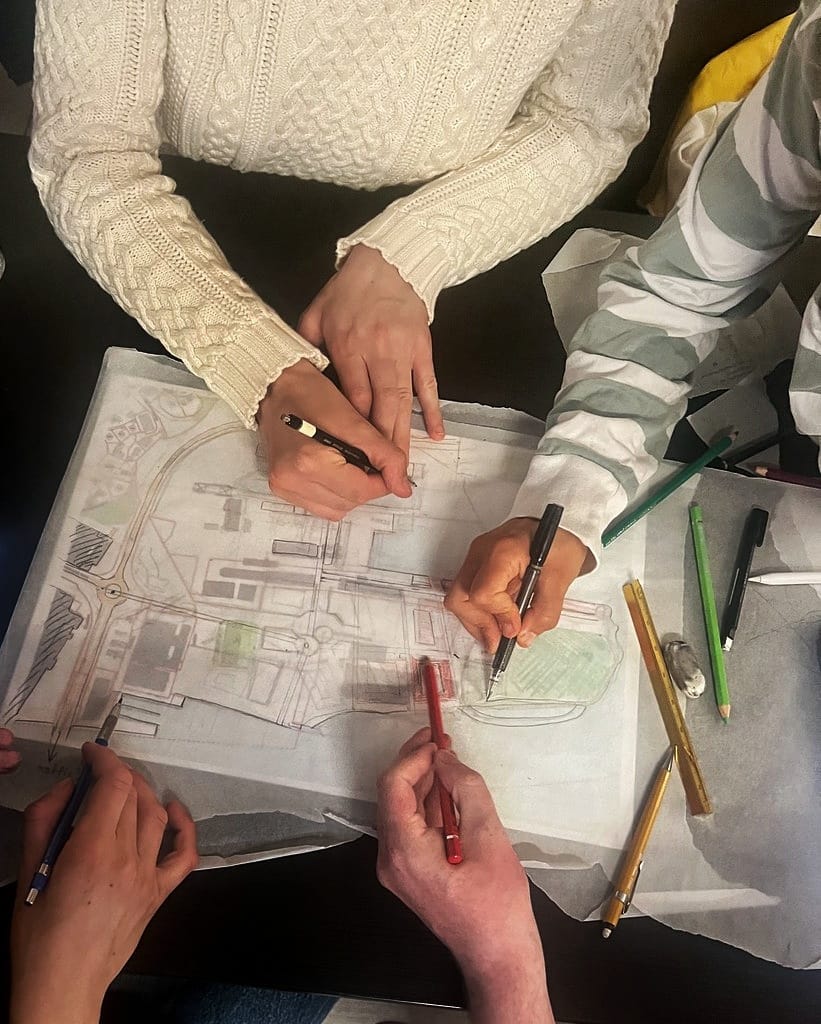
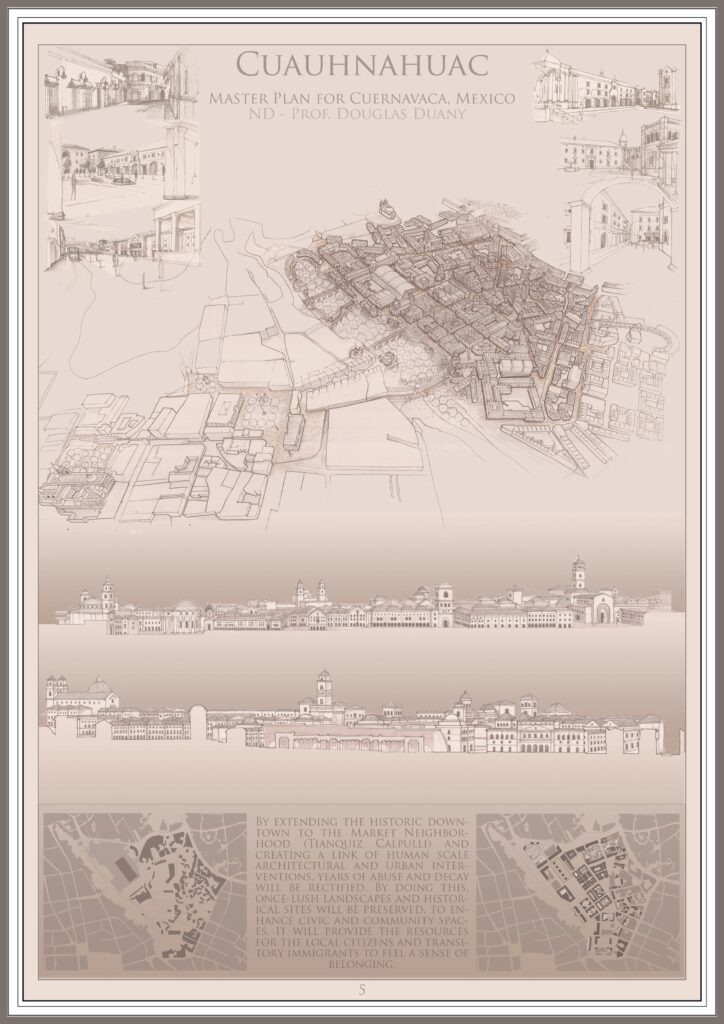
Led by INTBAU Mexico Chair Nadia Samir, this session will present the case study for a master plan tackling insecurity and urban decay through traditional urbanism in the city of Cuernavaca. The goal: regenerate cities by fostering community, connectivity, and beauty.
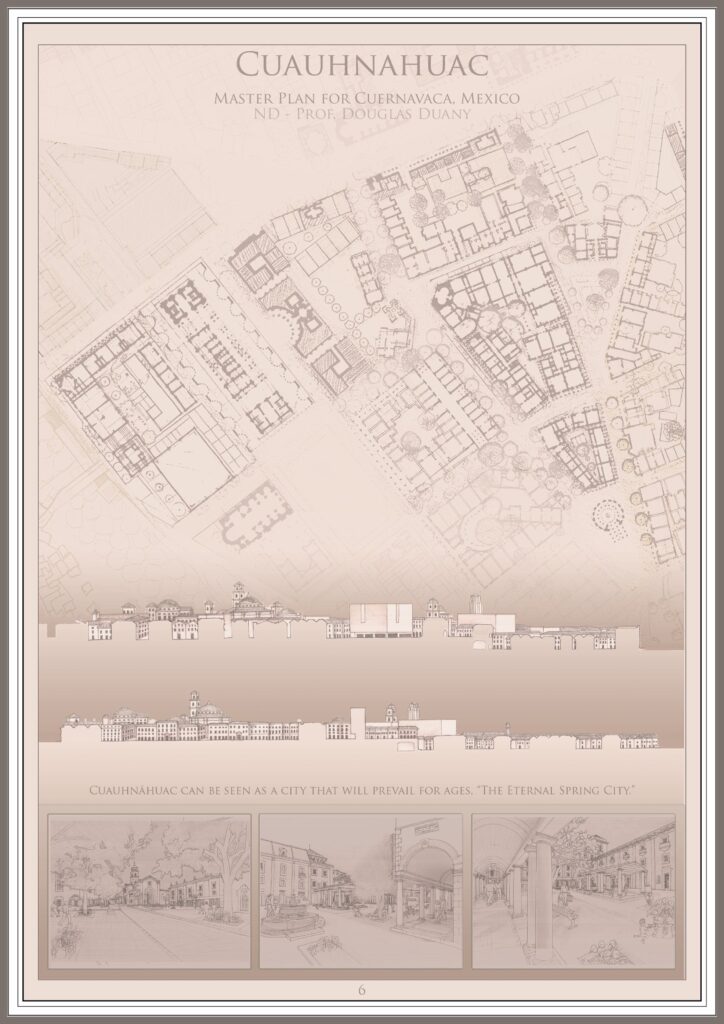
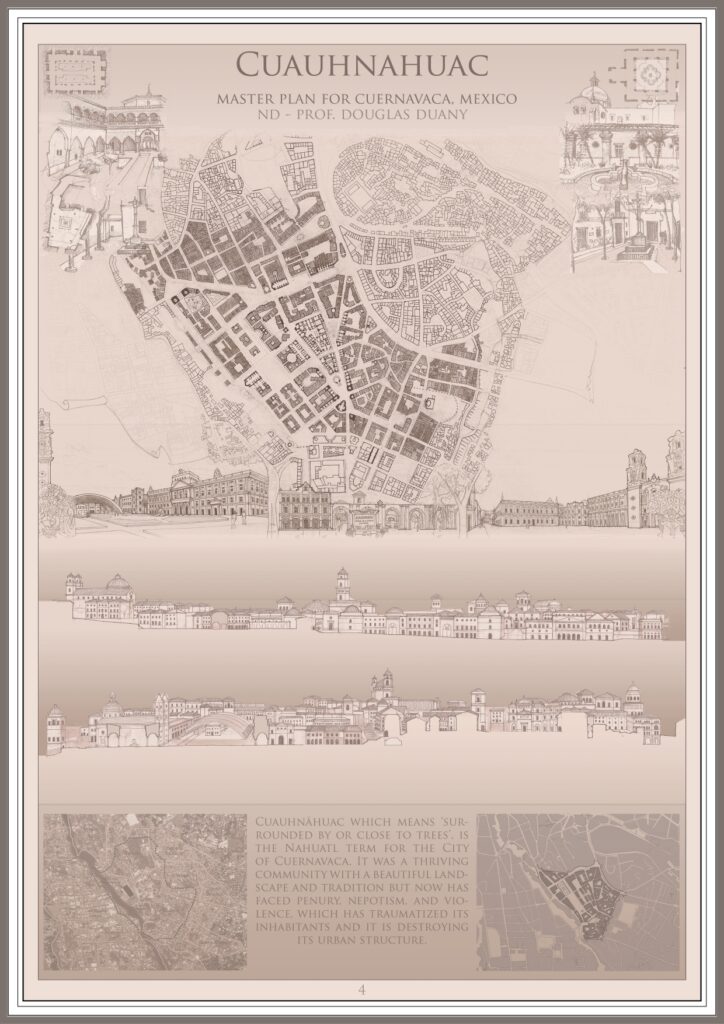
Cuauhnáhuac is an urban design proposal for the city of Cuernavaca, focused on the area surrounding the Adolfo López Mateos Market. The project addresses issues of urban deterioration and insecurity, challenges that are prevalent in many Mexican cities, through a traditional urbanism lens.
The project presents a replicable model for other Latin American cities facing similar problems. It proposes urban block typologies designed to enhance resident safety, along with a master plan aimed at preserving and enriching cultural heritage and natural elements.
Mexico faces a severe urban crisis linked to insecurity, which has led to spatial fragmentation and a rejection of traditional planning methods. The solution lies in raising citizen awareness about lifestyle patterns and in developing human-scaled urban proposals that foster community, walkability, and connectivity refl ective of pre-automobile cities.
The plan encourages the development of distinct neighborhoods, each with their own identity, traditions, and uses. Streets are diff erentiated by function commercial, service, residential, but always prioritize the pedestrian. Safety is a central consideration, integrated through block design that ensures clear building fronts and backs, active facades, and interior courtyards with amenities that support families, the elderly, and children.
Mixed-use development is promoted to avoid zoning segregation and ensure urban vibrancy at all times. Planning includes careful pedestrian circulation sequences, from commercial arcades to neighborhood centers.
Depending on the local safety context, block access can be controlled with gates, alleys, and security posts, closed at night and monitored during the day. While these measures are strict, they aim to protect everyday life and, in turn, allow for the preservation of our cultural heritage over time.
The principles of New Urbanism scale, beauty, materiality provide the foundation for this proposal. The relationship between facades and street dimensions is vital for human-centered design. The plan integrates urban blocks with Cuernavaca’s historic cathedral and central core, serving as a model for future city development.
Now is the time to act, to stop the decay of our cities.
About Nadia Samir Rincón
Nadia Samir Rincón is a Mexican architect and artist specialised in vernacular architecture and traditional urbanism in Latin America. She holds a degree in Architecture from Universidad La Salle and a postgraduate degree—Master of Urban Design—from the University of Notre Dame, where she received the Dean’s Award for her urban regeneration project “Cuauhnáhuac.” She has furthered her training at the Royal Drawing School – Rome Global Gateway and is a recipient of the TIL Award for Latin American Architecture and Urbanism.
Nadia has collaborated on projects featured at the Venice Biennale and has been recognised in competitions such as the Barragán Prize (UNAM) and ASINEA. She currently works with the renowned firm Fairfax and Sammons Architects in Palm Beach and serves as President of INTBAU México, where she leads academic initiatives including the Traditional Architecture and Urbanism Summer School in Oaxaca.
Further information: INTBAU Mexico.
Railway buildings out of service in Portugal: rehabilitation and new uses
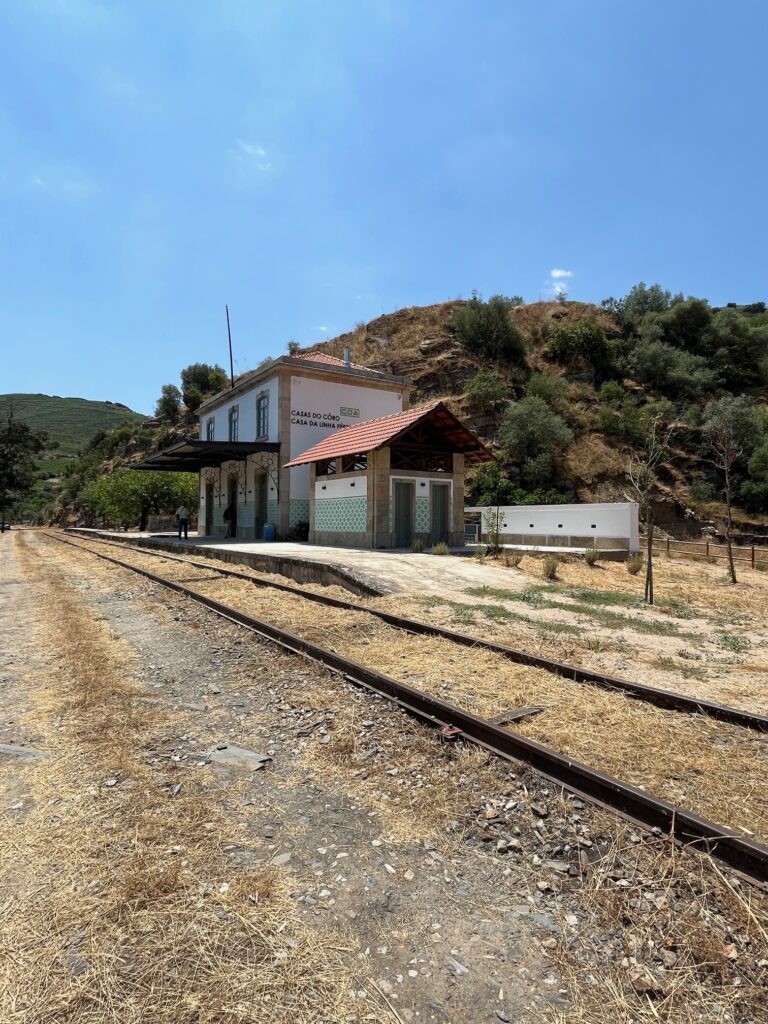
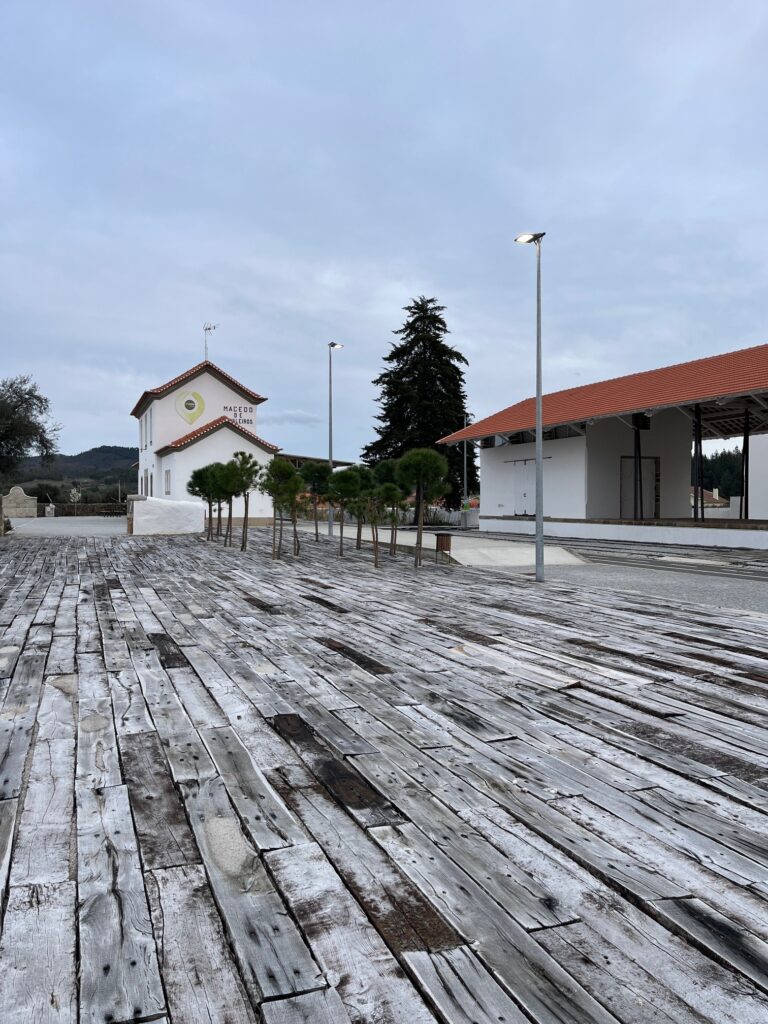
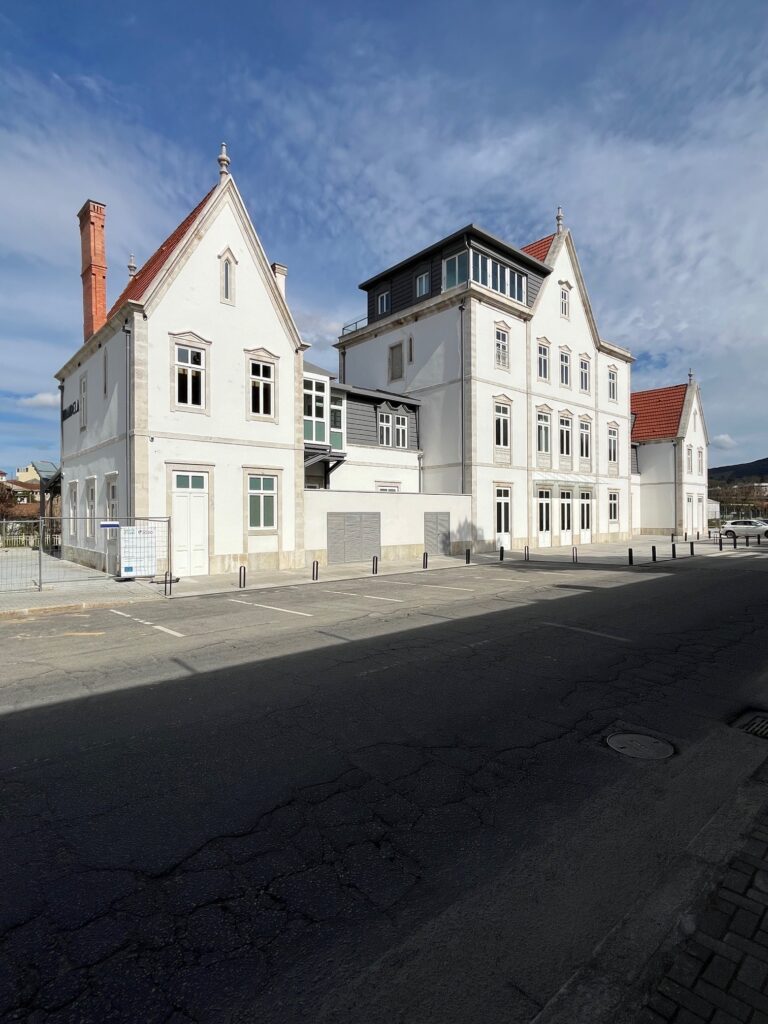
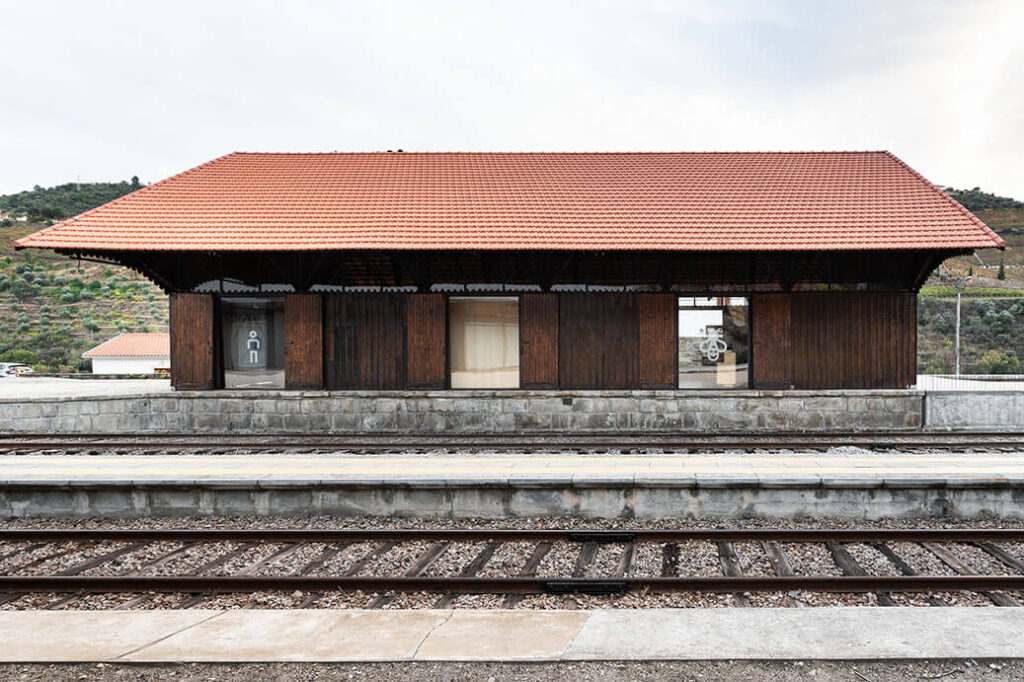
Led by Portuguese Architect António Borges, this session will present photographs and drawings of rehabilitation projects in Portugal and invite discussion on comparative approaches in other countries.
Following the closure of several railway lines over the last 40 years, railway buildings and around a hundred stations were closed, which led to their degradation and abandonment. These are historic buildings that, over the decades, have been fundamental to the urban and social development of cities, towns, and other places in Portugal.
In recent years, it has been possible to develop programmes and projects for the rehabilitation of historic buildings, with the aim of preserving the memory of the railway heritage. This cooperation has been strengthened through partnerships with municipalities, entrepreneurs, academia, and various entities.
The main concept that we try to develop with our partners in rehabilitation projects is based on the premise, as far as possible, of maintaining the building’s structural integrity, preferably preserving its volumetric and functional configurations, adapted to new uses and functions, while recovering and rehabilitating the existing structural aspects and finishes, to ensure the historical continuity of the stations, covered platforms, and other railway buildings.
The aim of this session is to encourage a conversation on the subject, seeking to compare what is being done in other countries.
About António Borges
António Borges is a Portuguese architect with a degree from the Faculdade de Arquitectura do Porto and a master’s in Regional and Urban Planning from the Universidade Técnica de Lisboa. Since the 1990s he has worked at Infraestruturas de Portugal/IP Património and its predecessor companies. He became a General Member of INTBAU after attending the 2018 World Congress Everything Old is New Again.
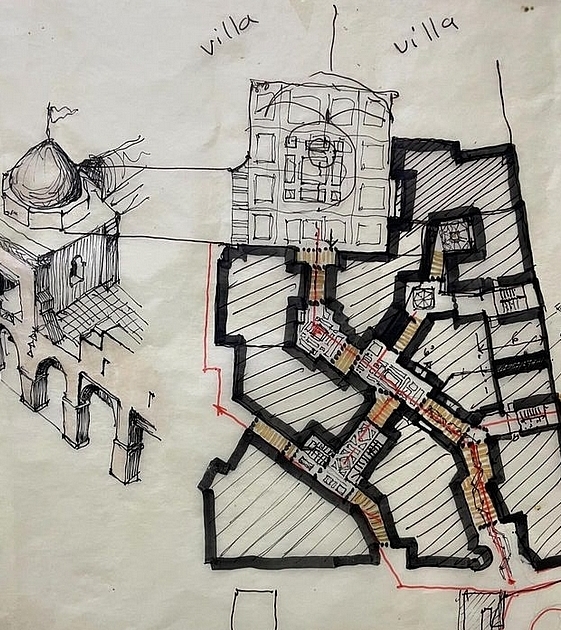
The Medina of Sousse: Islamic urban design, sustainability and cosmology
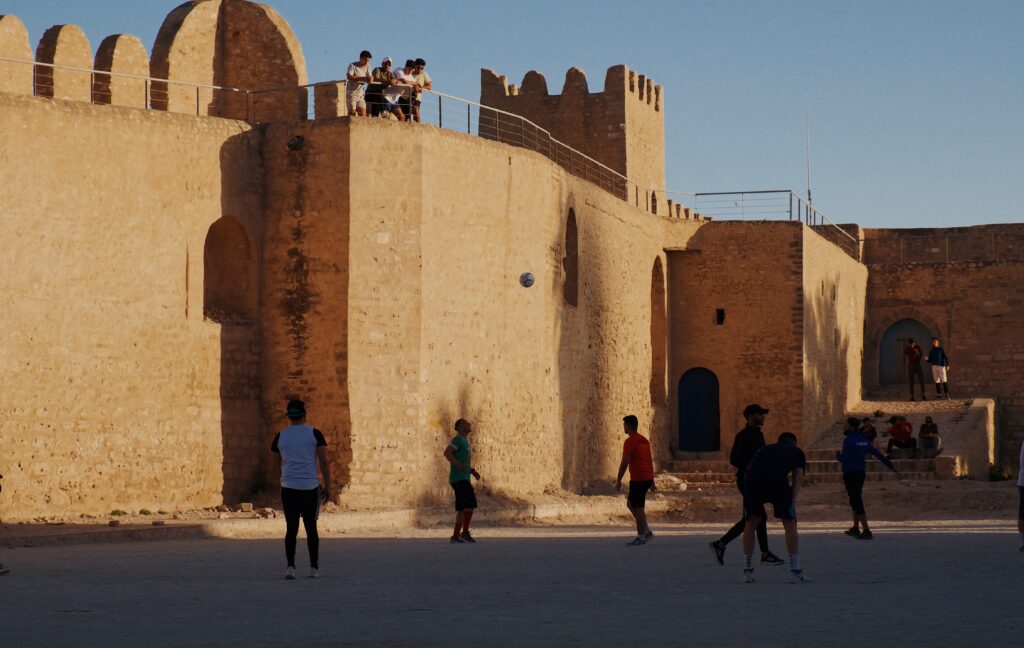
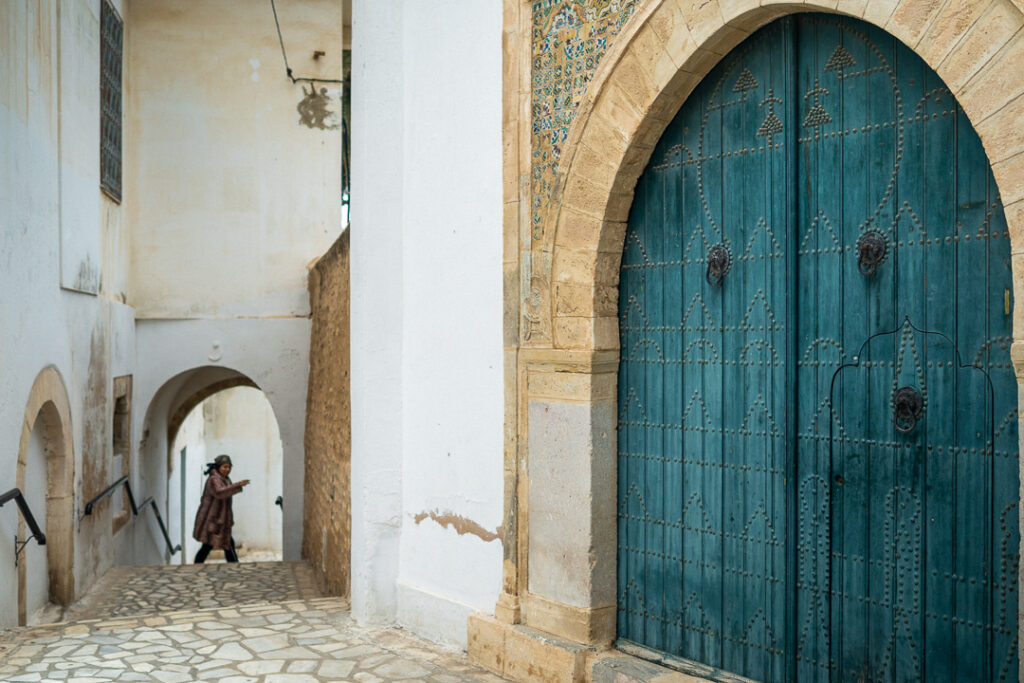
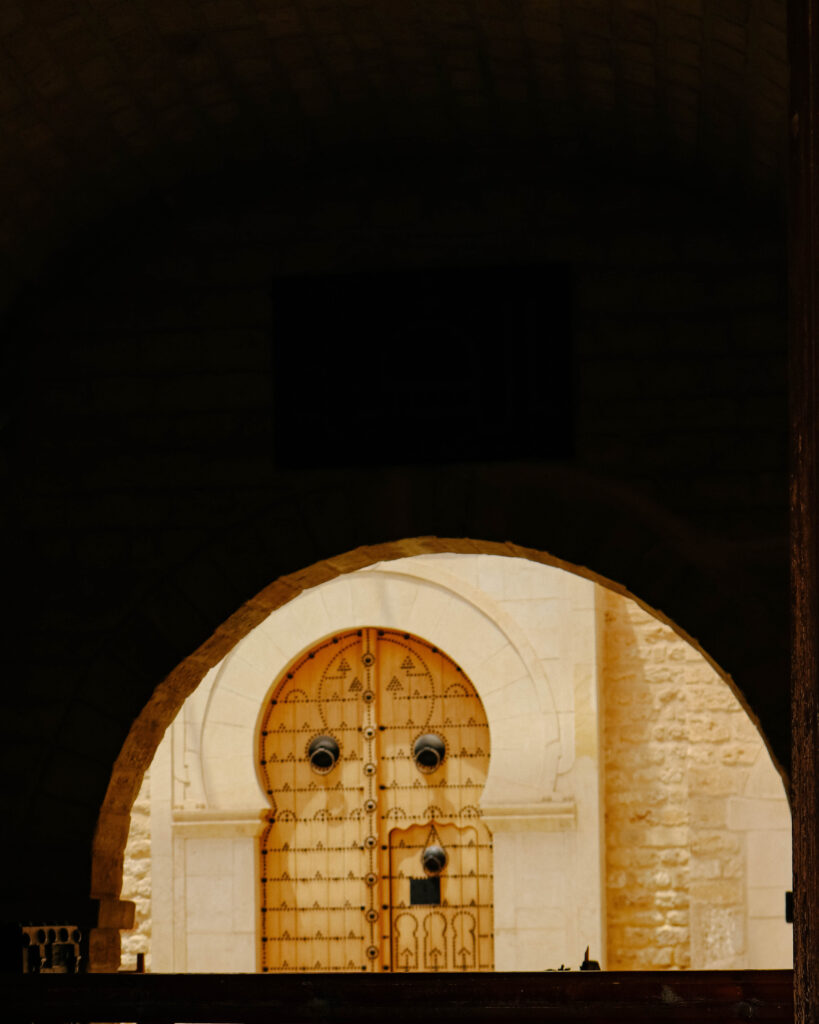
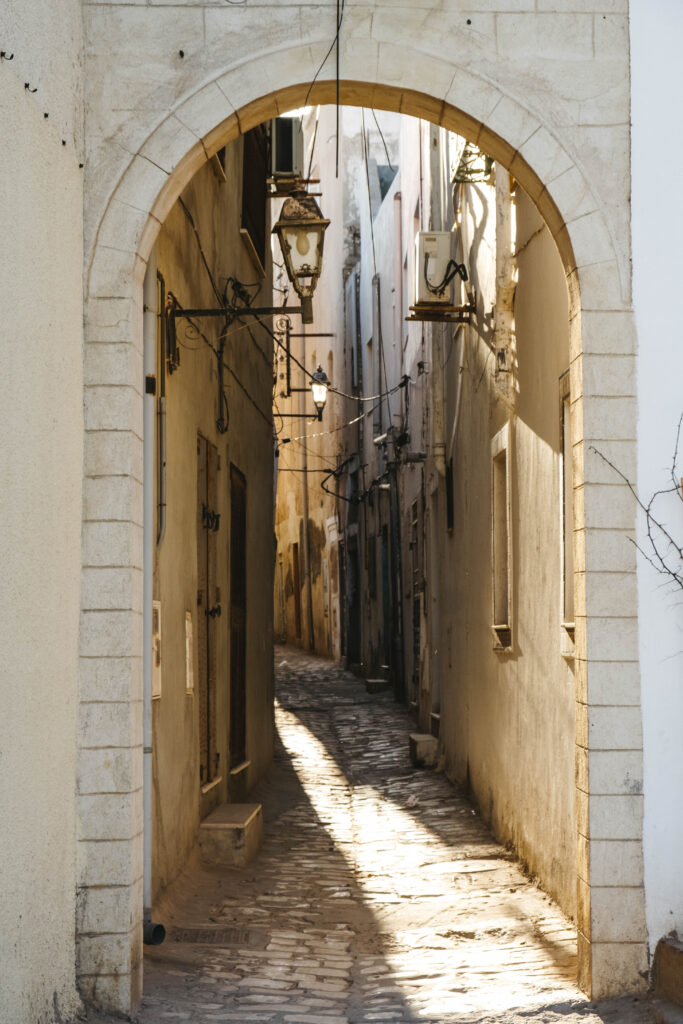
Participants will be invited to engage through a hands-on design exercise. After introducing the 7 Principles of Islamic Urbanism: Building Sacred, Cohesive, and Sustainable Cities, we will explore how each principle manifests spatially by placing them as tangible elements within a model of the Medina of Sousse. Using interactive materials, participants will collectively reimagine future Islamic cities by integrating these heritage-rooted principles—bridging tradition with visionary urban futures.
About Soraya Hosni
INTBAU General Member Soraya Hosni is an anthropologist and sustainability expert from Tunisia. She is the founder of The New Medina, a heritage preservation initiative. Alongside her work in cultural heritage, she is the founder of Clever Harvest, a venture digitising farming commodities to support sustainable agriculture. Soraya brings a unique perspective that bridges tradition, environmental stewardship, and community-centred urbanism.
Further information: www.thenewmedina.com
Mapping what we love: how local people read and shape place
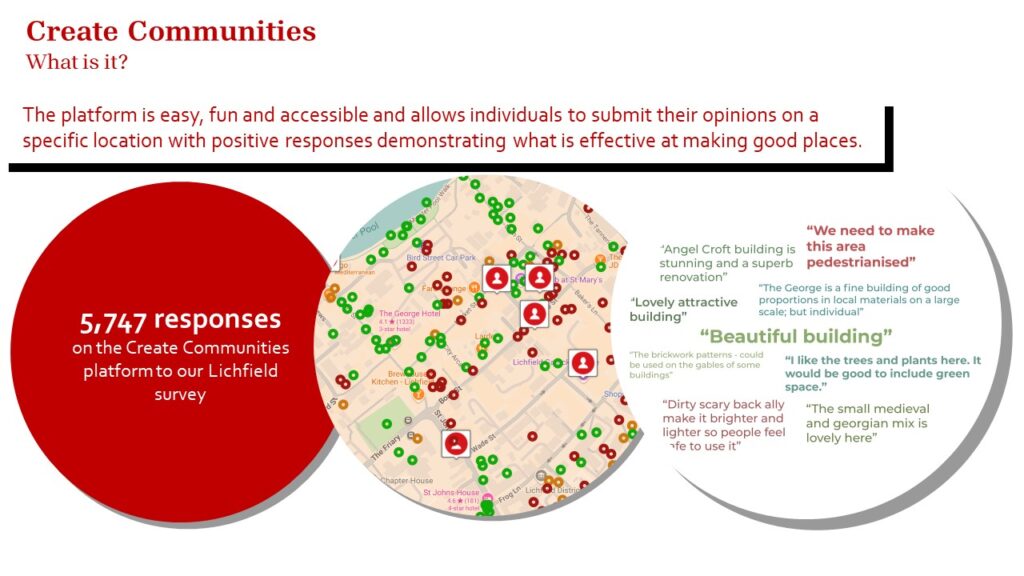
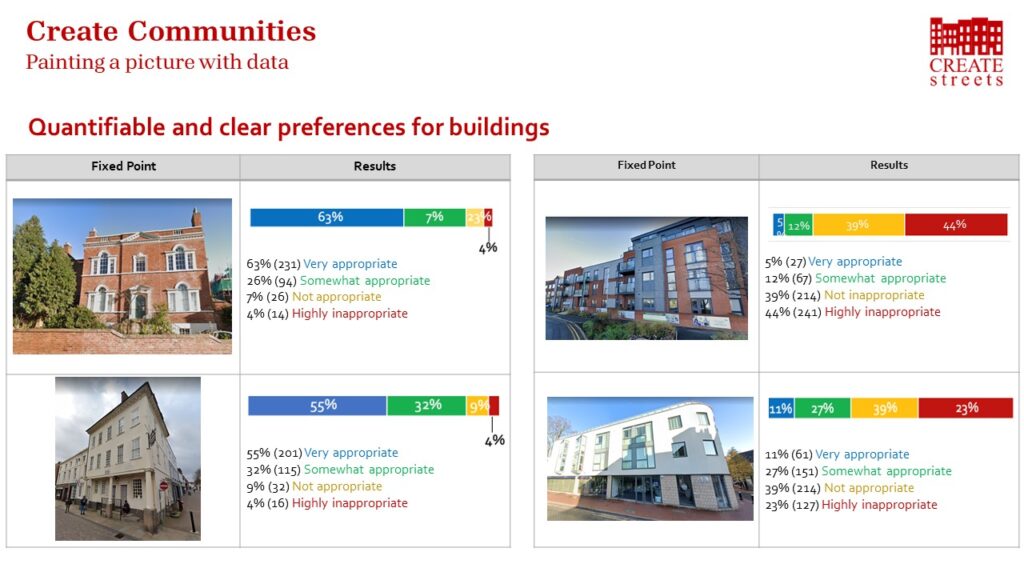
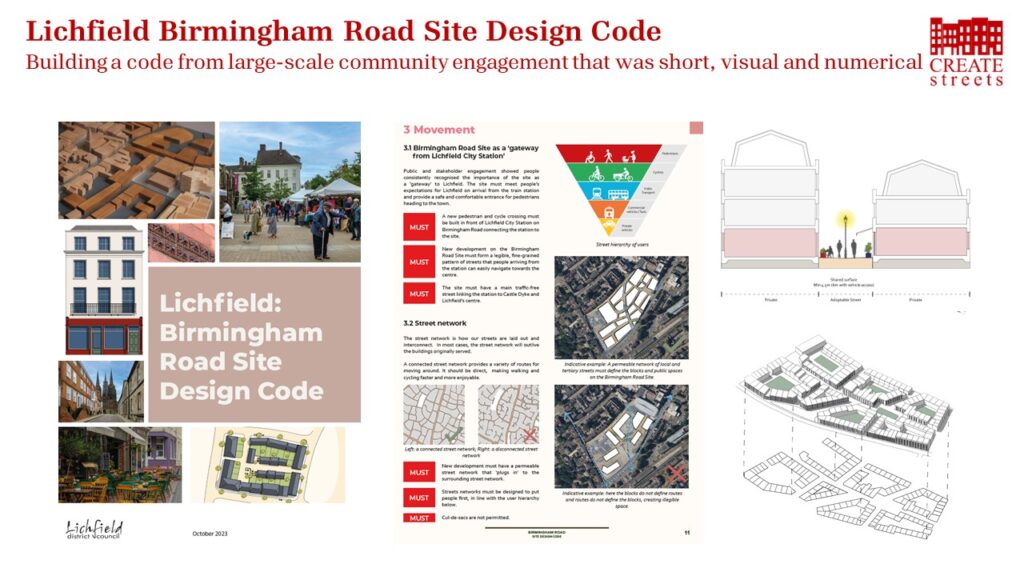
Join us to explore how Create Streets’ Create Communities uses geolocated comments and visual preference surveys to gather thousands of inputs in neighbourhood design and ‘change the politics’ of development. Drawing on recent online engagement and visual preference surveys to support our work in Lichfield, Chesham and Chatham we will demonstrate how the platform has helped shape design codes, give residents a stronger voice, and create places that are loved, not just tolerated. You will also get to try the platform yourself and see how digital tools can make engagement wider, faster and more fun. We will round off with a short discussion on how participants have used or experienced public engagement, and how these methods could work in their own contexts.
Session led by Create Streets, chaired by Founder Nicholas Boys Smith, with contributions from Urban Designer Ed Leahy and Senior Urban Designer George Payiatis.
About Create Streets
Create Streets is a United Kingdom based design practice, town-builder and think tank. We lead research, master-planning, design coding and community co-design. Our primary mission is to create beautiful, sustainable, and popular places of gentle density that prioritise well-being, social cohesion, and economic vitality. Our work combines practical urban design, community engagement, and policy influence, helping councils, developers, and communities to deliver places that people love. While we are not formally affiliated with INTBAU, we are one of the host institutions for INTBAU’s 2025 World Congress. Learn more
International call: the formation of the INTBAU Technical Committee
This session will serve as an international call to collaboratively build a structured database: a platform for learning, access to new research, information exchange, dissemination, and discussion, while also providing practical implementation tools to advance traditional architecture today.
The breakout session will highlight the practical, legal, and technical dimensions essential for implementing traditional architecture and urban design. The Technical Committee’s work will complement INTBAU’s educational initiatives, recognising that training architects to design according to time-tested principles is not sufficient unless planning and building regulations are also reformed to acknowledge and approve traditional techniques, urban patterns, and passive environmental strategies.
The topics outlined below are proposed starting points for discussion during the session. The aim is not to produce final solutions at the Congress, but to establish the foundation of the Technical Committee — marking the first step in a long collaborative journey.
- Centralisation and sharing of building and planning regulations, with advocacy for traditional urban practices
- Creation of an online database on passive environmental management, construction physics, and traditional structural studies
- Development of an international directory of traditional building craftspeople
About Georgia Cristea
Living and practicing in London, UK, Georgia is a RIBA accredited Conservation Architect (CA), Guardian of the Society for the Protection of Ancient Buildings, Events Coordinator of the Traditional Architecture Group (host to INTBAU UK), and Education and Projects Manager of INTBAU Romania.
Wellness by design: transforming health outcomes through architecture and urban planning
How can latent conditions in the built environment passively improve health outcomes?
This session explores research linking design with physical, psychological, and social well-being. While Churchill once observed, “We shape our buildings; thereafter they shape us,” there is now a clear correlation between our surroundings and their profound influence on our health. We will look at how these ideas are rooted in historical efforts to address public health through architecture and planning and then examine how they continue to shape outcomes today.
Session led by J. Timothy McCarthy
Tim McCarthy is a Partner and Managing Principal of Hart Howerton, an interdisciplinary design firm headquartered in New York and San Francisco. A trained architect, Tim is committed to exploring how conditions in the built environment drive a health- and wellness-based design paradigm.
He has been a member of INTBAU’s College of Traditional Practitioners for eight years. Tim also serves as an Advisory Board Member for Cornell University’s Institute for Healthy Futures and continues to lead the firm’s sponsored research at the University of Virginia’s Center for Design & Health. He was a Working Group Member for the International WELL Building Institute’s WELL “Community Standard” and served on their WELL Advisory for the Hotel & Resort Health-Safety Rating (HSR).
Tim is the immediate past chair of the Urban Land Institute’s (ULI) Global Exchange Council (GEC), was an inaugural ULI Health Leaders Network Fellow, remains an active contributor to ULI’s Building Healthy Places initiative, and participates regularly in ULI panel discussions. He has delivered guest lectures at Cornell University, the University of Virginia, and the Institute of Classical Architecture & Art, and has been an invited design juror at the University of Notre Dame and at Kent State University’s architecture program in Florence, Italy.